
Blogs and Articles
Our collection of blogs
Values are not an add-on. They are how a school holds together
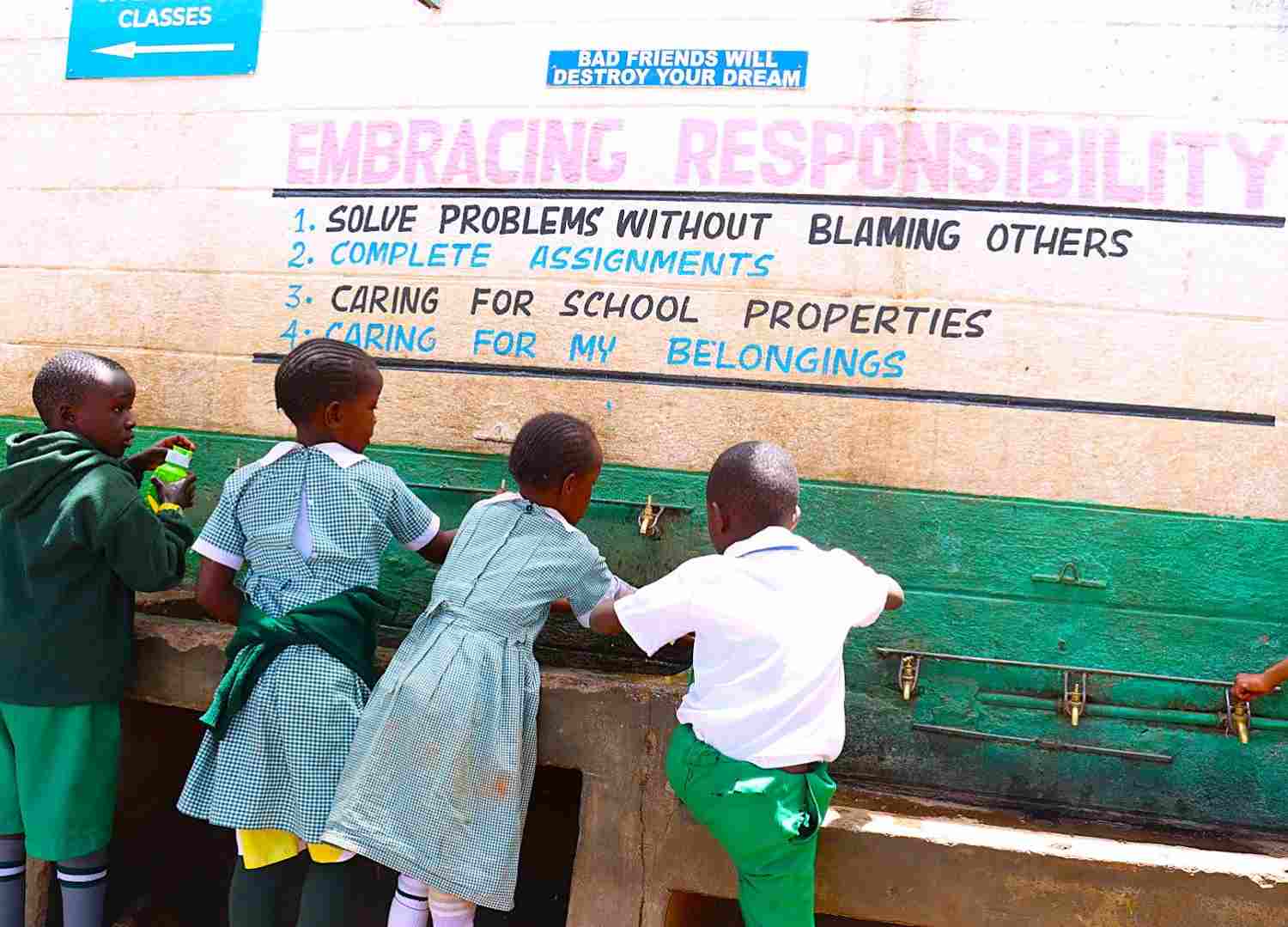
As the world marks World Values Day, Kenya has a chance to make values a deliberate part of every classroom. Every school in Kenya teaches values, whether it means to or not. A teacher who greets learners by name, a prefect who talks a classmate out of a fight and a head teacher who treats the cleaner with respect are all teaching. The question is whether we leave that teaching to chance.
Collins Orono
15 Oct 2026
Values Begin in the Classroom: Why Kenya's Transformation Starts with Foundational Learning
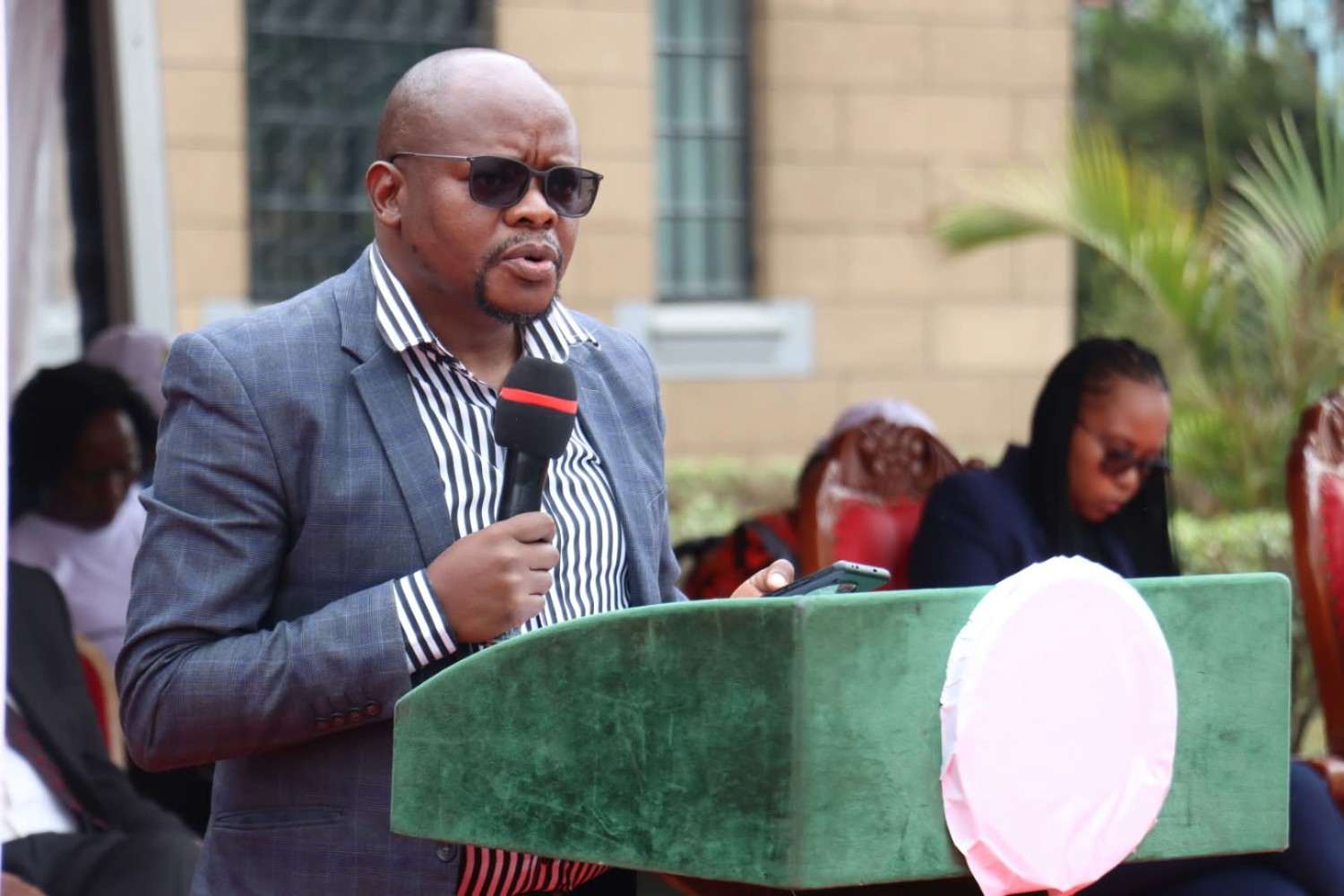
On World Values Day, 15 October 2026, Mizizi Elimu Afrika joined the Directorate of National Cohesion and Values and partners to mark this year's World Values Day themed: National Values and Active Citizenship. Embracing National Values for Socio-Economic Transformation. What kind of Kenyan are we preparing? When we talk about Kenya's socio-economic transformation, the conversation quickly turns to infrastructure, technology, jobs, investment and growth. These matter. But beneath every one of these ambitions sits a more fundamental question: what kind of Kenyan are we preparing to build, and sustain, the Kenya we want?
Dr Maurice Mutisya
15 Oct 2026
Kenya’s classrooms are only as strong as the way it trains its teachers
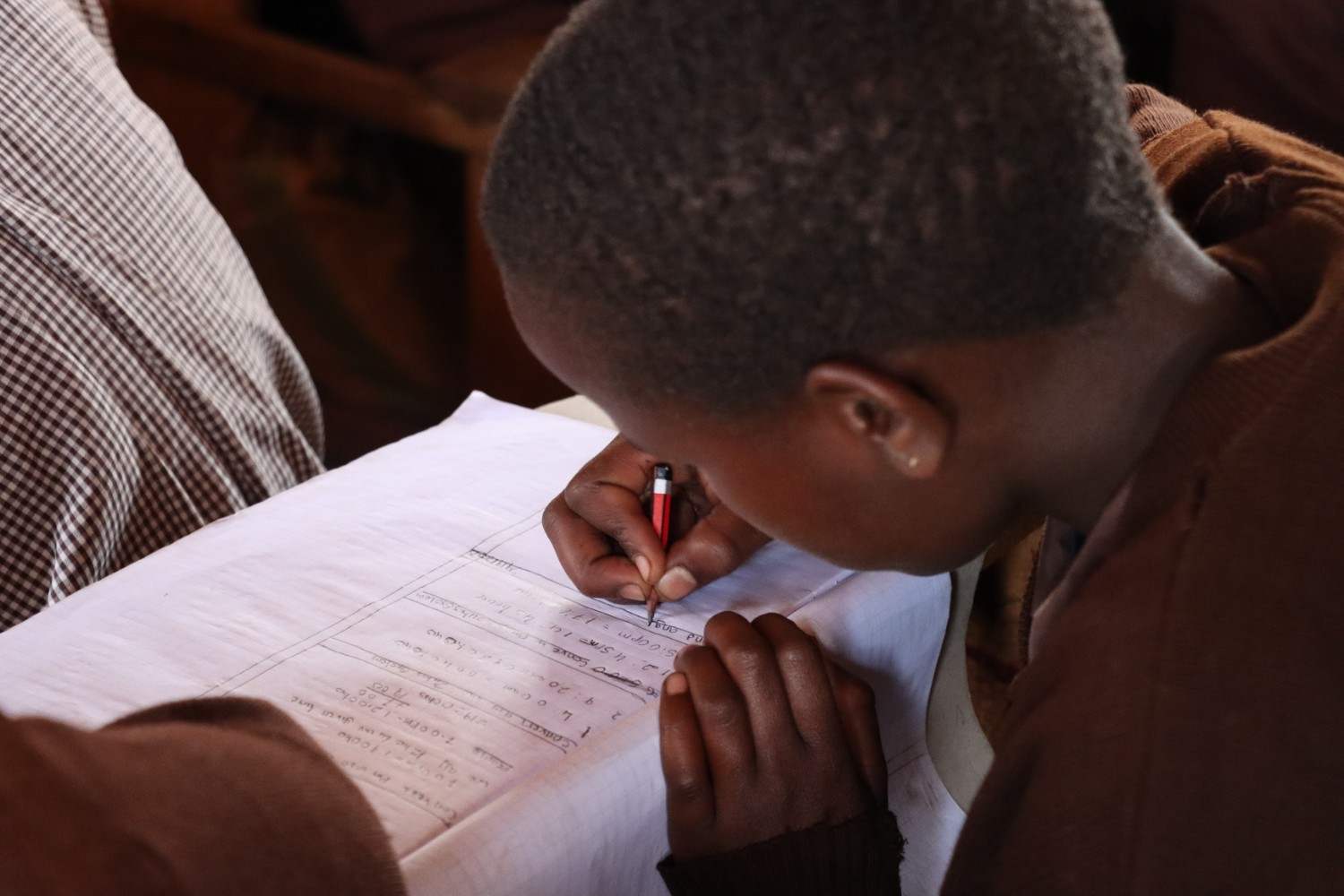
Error analysis helped Geoffrey, a teacher in Bungoma County, turn around his maths class. Teachers who learn to treat children’s mistakes as diagnostic clues can help them close the gaps. But experts say teachers should be prepared to diagnose learning, read the curriculum and design sound assessments from the start, not years into the job.
Collins Orono
12 Oct 2026
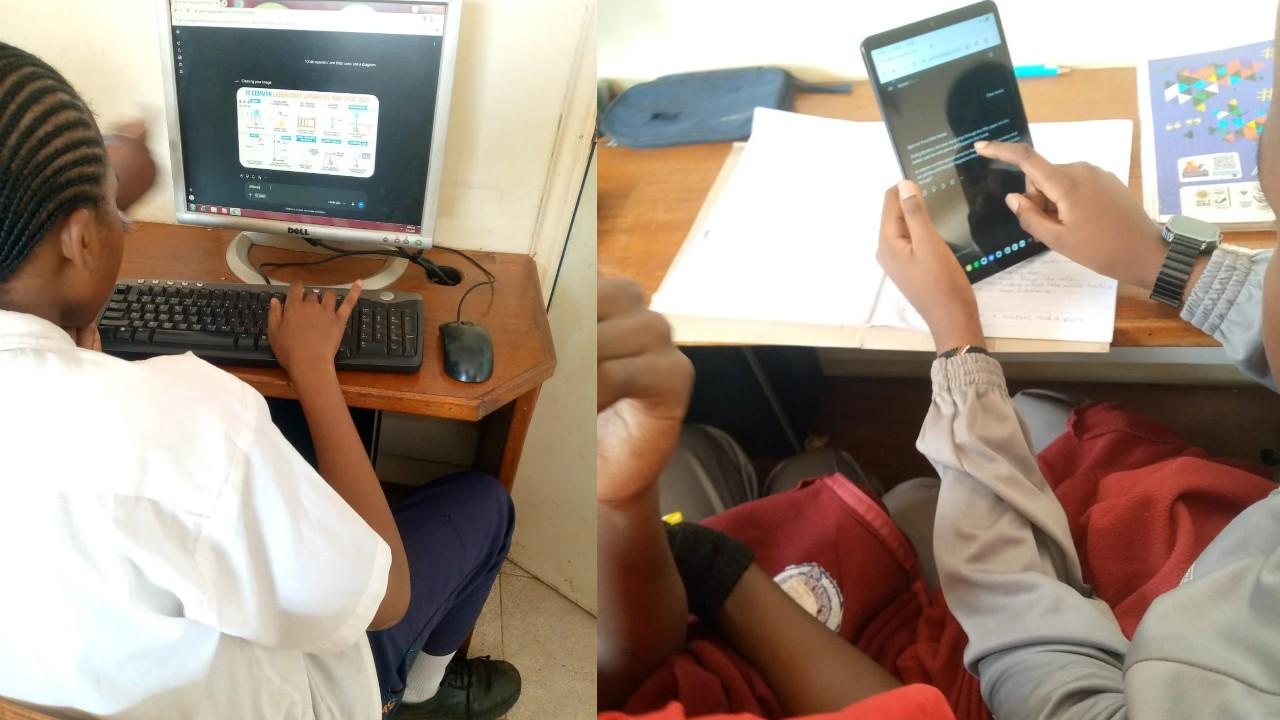
Computational Problem Solving and AI in Kenyan Schools: Why the Pace Does Not Match the Promise
Kenyan 15-year-olds scored an average of 278 points in computational problem solving in PISA 2025, against an OECD average of 500. This was Kenya's first time taking part in PISA. The new domain, part of PISA's Learning in the Digital World assessment, asked students to solve problems with block-based programming and modelling tools, and to break problems into steps, run experiments, analyse data, and build and debug digital artefacts.
Charles Gachoki
12 Oct 2026
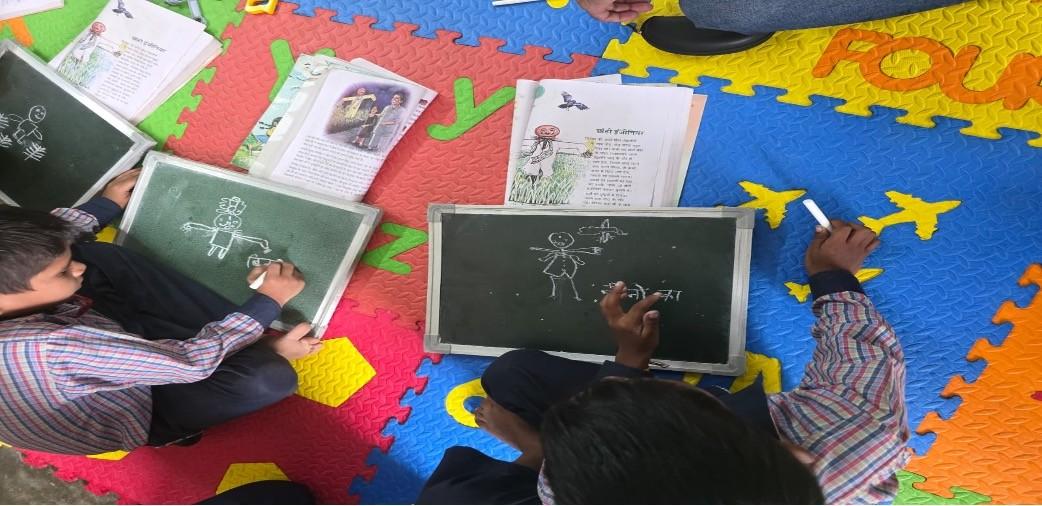
Through a Child’s Eyes: Reflections on the Art of Writing for Children
After many classroom visits, I carry with me a growing appreciation of the care required to write for children. Watching children engage with a page, listening to their responses and observing teachers guide their learning continually bring me back to one conviction: writing for children is not merely an act of thought. It engages both mind and soul. It calls for intellectual care, empathy, and a willingness to enter the child’s world.
Dr. Wangui Lydia Chege
8 Oct 2026

What Is Education Like in the UK? Strengths, Gaps and Lessons for Kenya
Emilie Bonay, a UK education advocate who interned with Mizizi Elimu Afrika, takes us through the UK education system from primary school to university, and asks what the UK and Kenya can learn from each other.
Emilie Bonay
30 Sept 2026

Bringing the Child to the Boardroom: What India’s NIPUN Bharat Can Teach Us About Foundational Learning Reform
In August 2025, a delegation of global education leaders gathered in Sobral, Brazil, to learn from one of the most widely recognised public education reforms. Exactly one year later, in August 2026, the Lighthouse Initiative convened its second international study tour, this time in India. The immersion was designed as an interactive, catalytic space, a peer-exchange forum where participating countries could explore large-scale national missions, debate what is working (and what is not), and identify transferable, scalable practices for early grade education.
Wangui Lydia Chege
29 Sept 2026
Mizizi Elimu in the News
Media coverage, mentions, and news stories

Education stakeholders call for value based learning integration to nurture responsible citizens
KTN News
2 Apr 2026
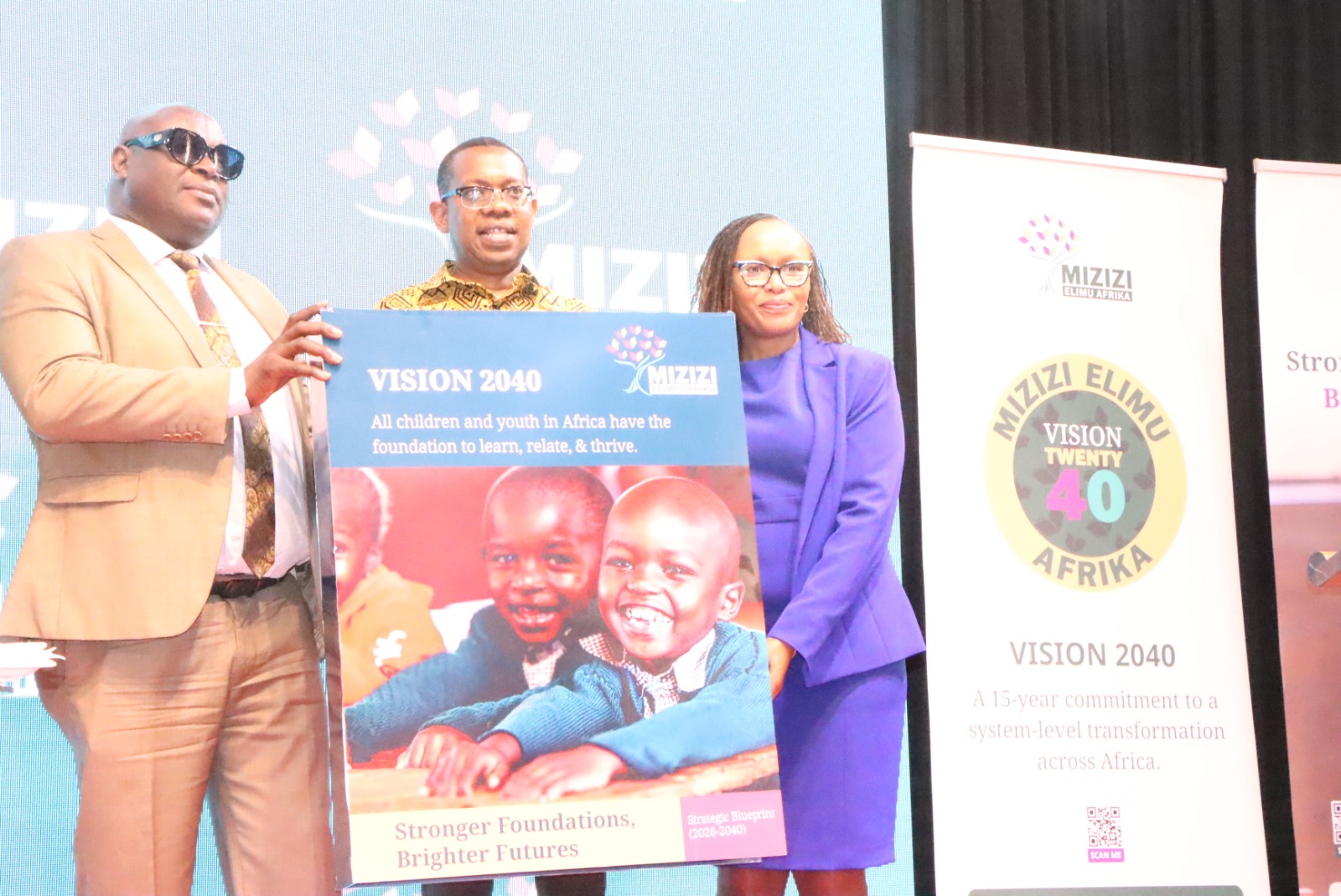
Zizi Afrique Rebrands to Mizizi Elimu Afrika, Launches Vision 2040 Education Strategy
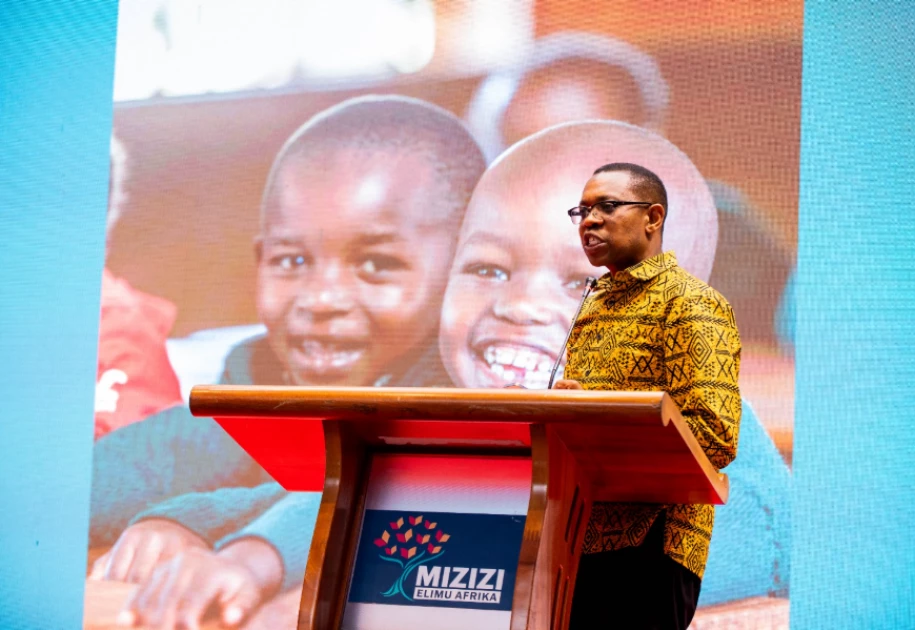
Education stakeholders convened in Nairobi on March 10, 2026, for the launch of Vision 2040: Strong Foundations for Lasting Change and the rebranding of Zizi Afrique Foundation to Mizizi Elimu Afrika.
23 Mar 2026
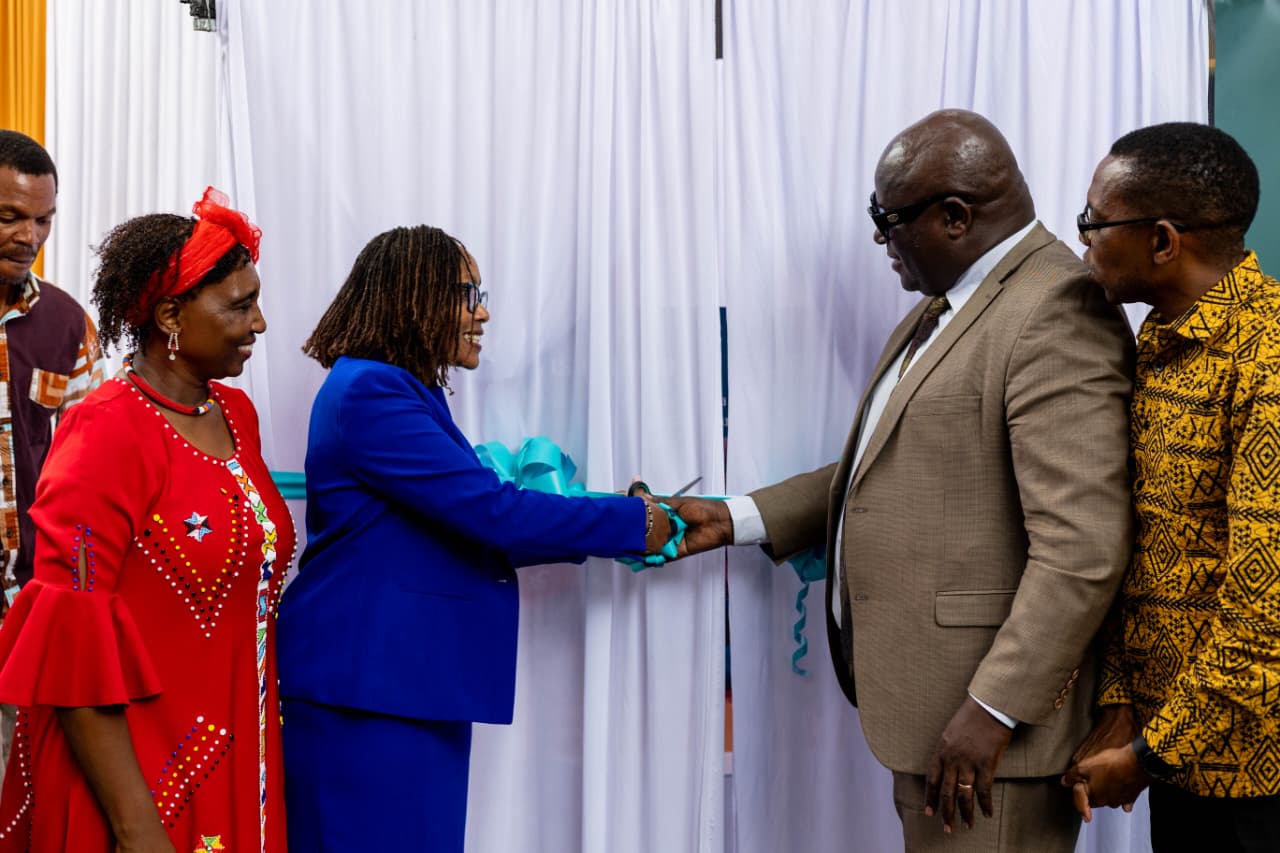
New education initiative aims to strengthen literacy and numeracy across Africa
Education stakeholders gathered in Nairobi on March 10, 2026, for the unveiling of Vision 2040: Strong Foundations for Lasting Change and the rebranding of Zizi Afrique Foundation to Mizizi Elimu Afrika.
23 Mar 2026
Educating the African child in the midst of polycrisis
The African continent has seen children’s education journeys disrupted by various challenges, including social, political, and economic conflicts, as well as the effects of climate change among other factors in the growing list of polycrises.
23 Mar 2026
Podcasts


Season 1
Mizizi Elimu Afrika - brand reveal animation
Mizizi Elimu Afrika - brand reveal animation
Link to listen