Conferences often leave us with notebooks full of ideas, business cards from new acquaintances and presentation slides that are rarely revisited. The 9th Evidence to Action Conference at the University of Ghana in June left me with something different, a question that has stayed with me since returning home. When does evidence become action?
At first glance, the answer seems obvious. We generate research, communicate the findings and expect better decisions to follow. Yet, as conversations unfolded over the three days, it became increasingly clear that change rarely follows such a linear path. Across discussions on education, health, governance and public policy, a common thread emerged: producing evidence is no longer Africa’s greatest challenge. The more difficult task is ensuring that evidence shapes the decisions made every day in ministries, classrooms, communities and institutions.
What struck me most was how often the conversation moved beyond research itself to the systems surrounding it. Evidence does not exist in a vacuum. It competes with political priorities, financial constraints, institutional cultures and other interests. A technically sound study can easily fail to influence policy if it arrives too late, speaks only to researchers or overlooks the practical realities of implementation. By contrast, even modest evidence developed collaboratively with those responsible for implementation can become a powerful driver of change because it is trusted, understood and owned.
Presenting two papers from Mizizi Elimu Afrika reinforced this lesson in an unexpected way. Our work on collaborative evidence generation through the ALiVE initiative and on multi-stakeholder partnerships to advance foundational learning highlighted the importance of bringing researchers, practitioners and policymakers together throughout the learning process. As I listened to colleagues from across the continent, I realised that this collaborative approach was not unique to education. Whether the discussion focused on agriculture, health or governance, the strongest examples of impact came from contexts where evidence was developed alongside the people expected to use it, rather than presented to them after the fact.
The conference also challenged me to think differently about success. We often celebrate the completion of research, publication of reports and dissemination of findings as significant milestones, and they are. However, the discussions in Accra suggested that these achievements should mark the beginning, rather than the end, of the journey. The true value of evidence lies not in its publication, but in its ability to inform decisions, strengthen institutions and improve people’s lives.
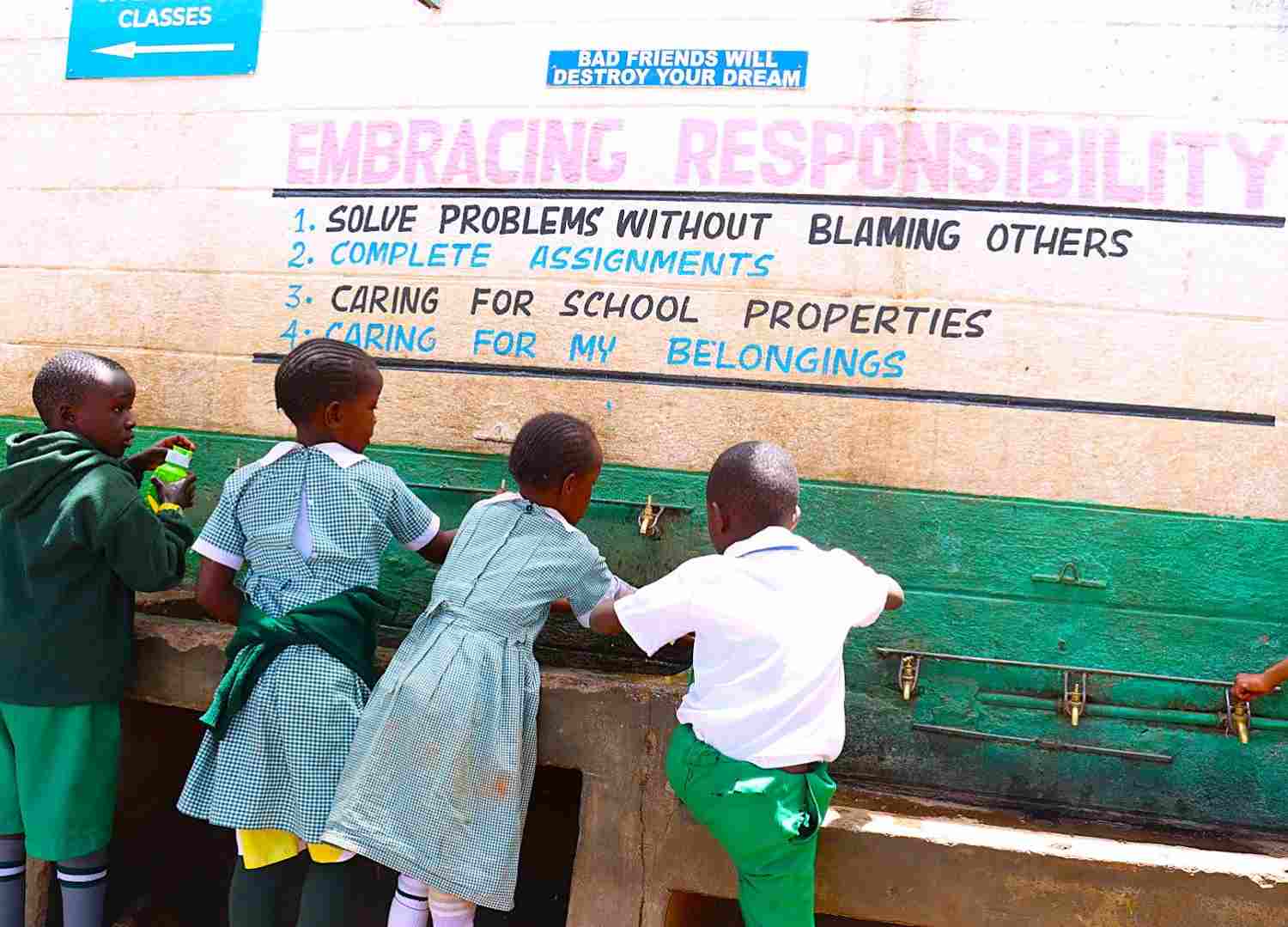
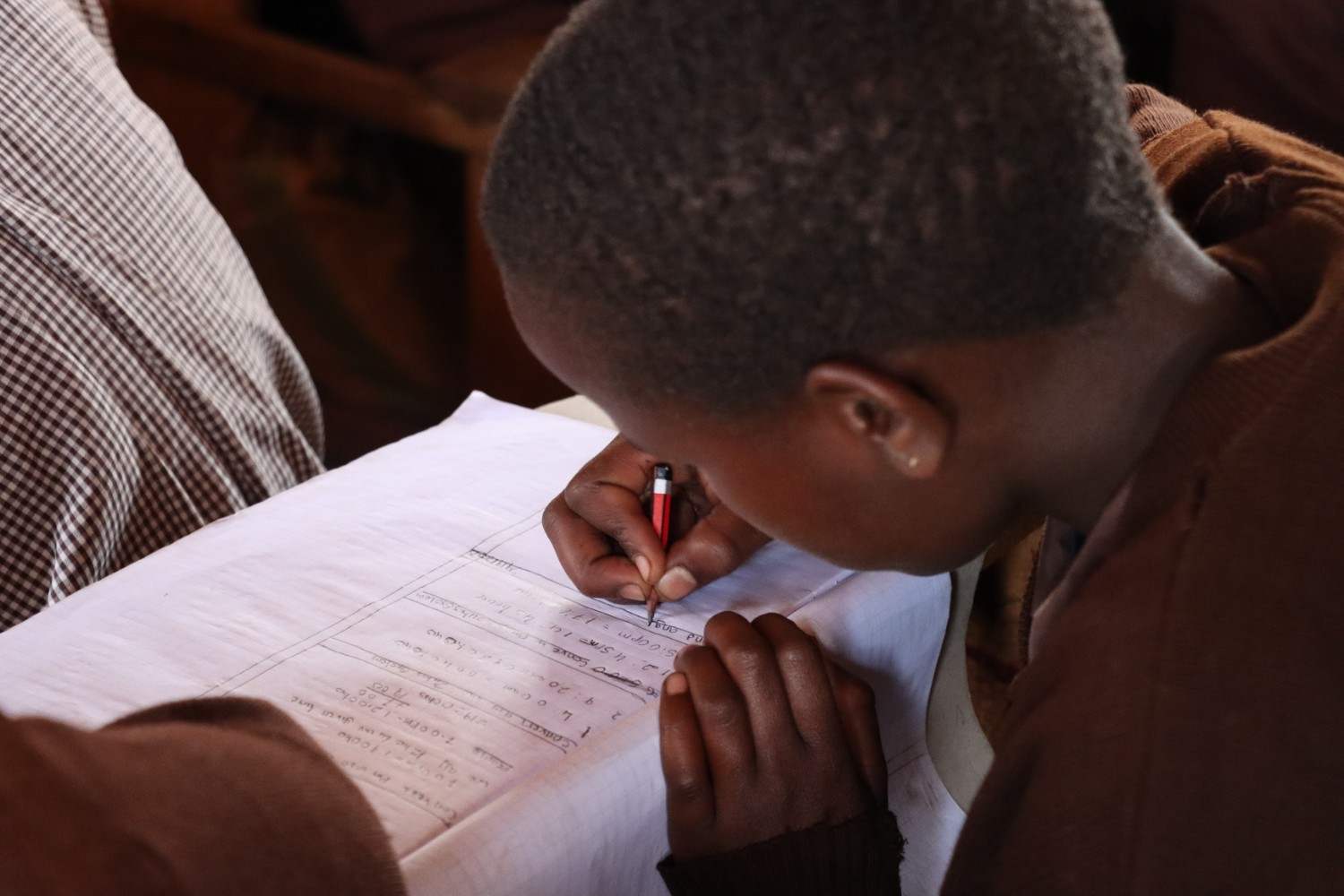
For those of us working in education, this reflection is particularly significant. Children may never read conference papers or policy briefs, but they experience the consequences of whether those ideas influence teaching, learning and educational leadership. Every improvement in how evidence informs teacher support, curriculum implementation or system reform can create better opportunities for children to learn and thrive. That connection between evidence and the classroom was never far from the discussions, even when the conversations became highly technical.
As I left Accra, I was convinced that the future of evidence-informed development in Africa will not be determined by the quality of our research alone. It will depend equally on our ability to build the partnerships, institutional cultures and leadership needed to turn knowledge into action. Perhaps that is the most enduring lesson I carried home: evidence matters only when it moves beyond reports and presentations and becomes part of the decisions that shape people’s lives.