Impact & Evidence
Stronger foundations.
Stronger systems.
Lasting change.


Impact is not just what reaches people today.
It is what continues to work tomorrow, without us in the room.
Between 2021 and 2025, we focused on strengthening foundational learning while building the systems, relationships and leadership needed for change to reach scale across East Africa. This period was about laying foundations — so progress could last, grow and travel further than any single programme.
Our impact at a glance
Each number reflects a shift in practice, policy or possibility — and together, they tell the story of systems beginning to work more equitably.

children and youth reached through strengthened foundational learning
children and youth reached through strengthened foundational learning
schools engaged in reform efforts
VET & TTC institutions engaged reached through strengthened foundational learning
policies influenced, embedding equity and foundational skills
countries building pathways for system-level change
schools implementing Values-Based Education across 19 counties
teachers trained in whole-school values integration
Impact in Action
Values-Based Education Goes National
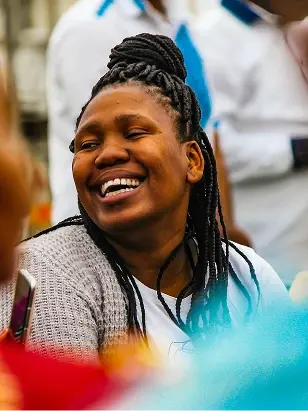
From pilot schools to system-wide reform.
In many education systems, values are written into curriculum documents, but rarely experienced in everyday school life.
Through a Whole School Approach, Values-Based Education moved from intention to practice. Across 79 schools in 19 counties, we worked with 316 teachers and 79 school leaders to embed values such as respect, responsibility and empathy into daily learning, relationships and school culture.
The change was visible and felt.
Today, 95% of co-curricular activities in participating schools actively integrate shared values — shaping not just what children learn, but how they treat one another and engage with their communities.
What began in a small number of schools has now informed Kenya's national roll-out from 2026, ensuring that what worked in one context can become possible for every learner.
Case Study 2
Youth-led learning, one child, one village at a time
In Kenya, over 200,000 young people are currently enrolled in teacher training colleges and universities.
The My Village initiative recognises this untapped resource; mobilising youth volunteers to return to their home communities and support children struggling with literacy. In Kakamega and Machakos counties, Machakos and Eregi Teacher Training Colleges are leading the way.
In 2025:
Before deployment, volunteer trainees receive training, tools and resources to assess literacy levels and facilitate learning camps. Working alongside village elders, chiefs, school leaders and families, they deliver intensive support during the November–December holidays focusing on learners furthest behind in reading.
The change is measurable and immediate. Previous implementation rounds show that 30% of struggling readers can read a simple paragraph within 10–15 days, while the number of non-readers reduces by more than half within the same period.
For learners, this means more than improved literacy. It means renewed confidence, stronger participation in school and a belief that learning is possible.
This youth-led model is now informing how community-driven interventions can complement public education systems, demonstrating how local leadership can accelerate foundational learning at scale.
- 115 youth volunteers (83 female, 32 male) facilitated literacy camps across 71 villages
- Using Nyansappo AI, they assessed 2,256 learners
- 1,463 children joined targeted holiday literacy camps
- 1,351 parents and community leaders participated in community sessions to co-create home learning support strategies
From the classroom and beyond
Why this matters
These outcomes are foundations, not finish lines.
They show what becomes possible when systems align and trust is built.