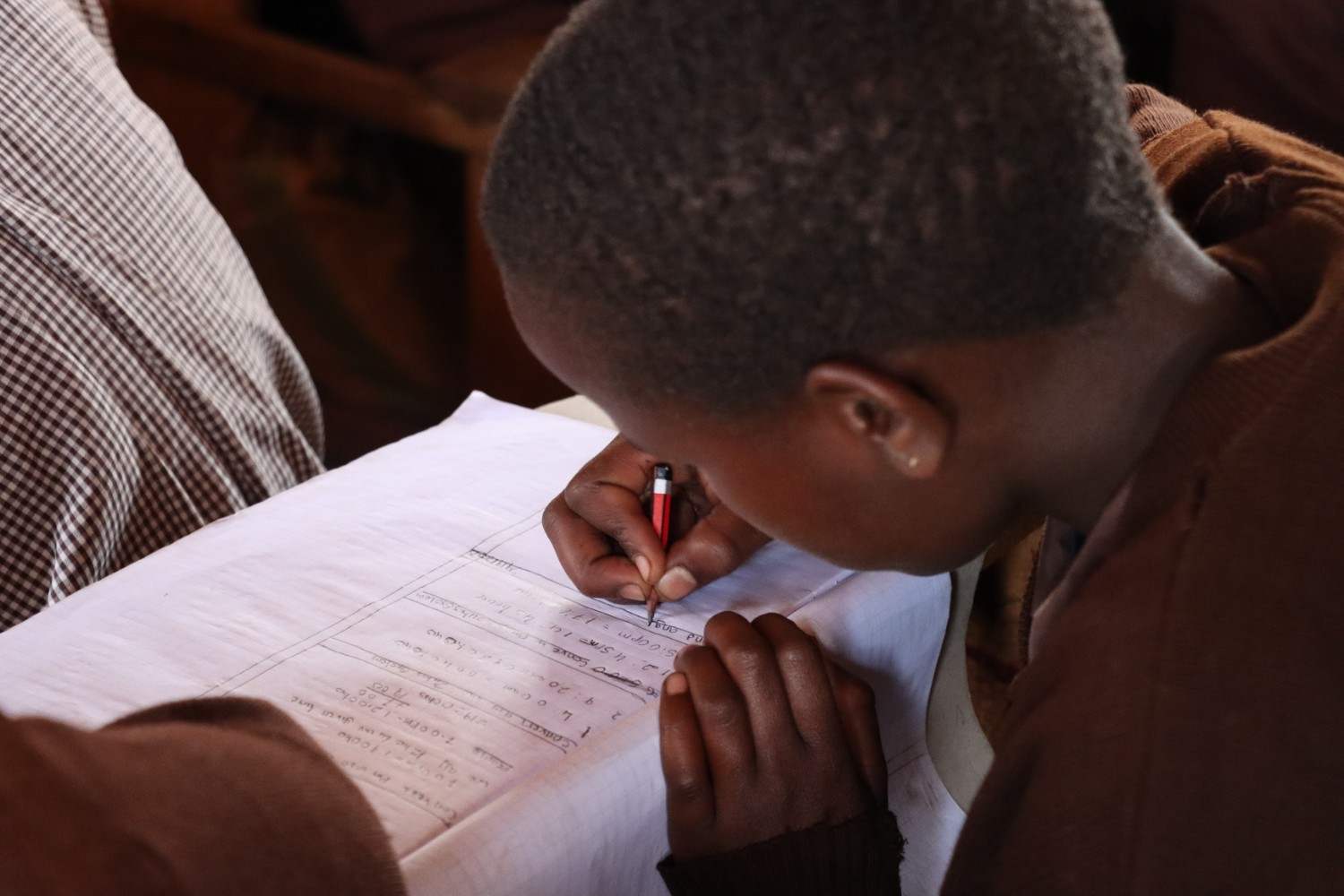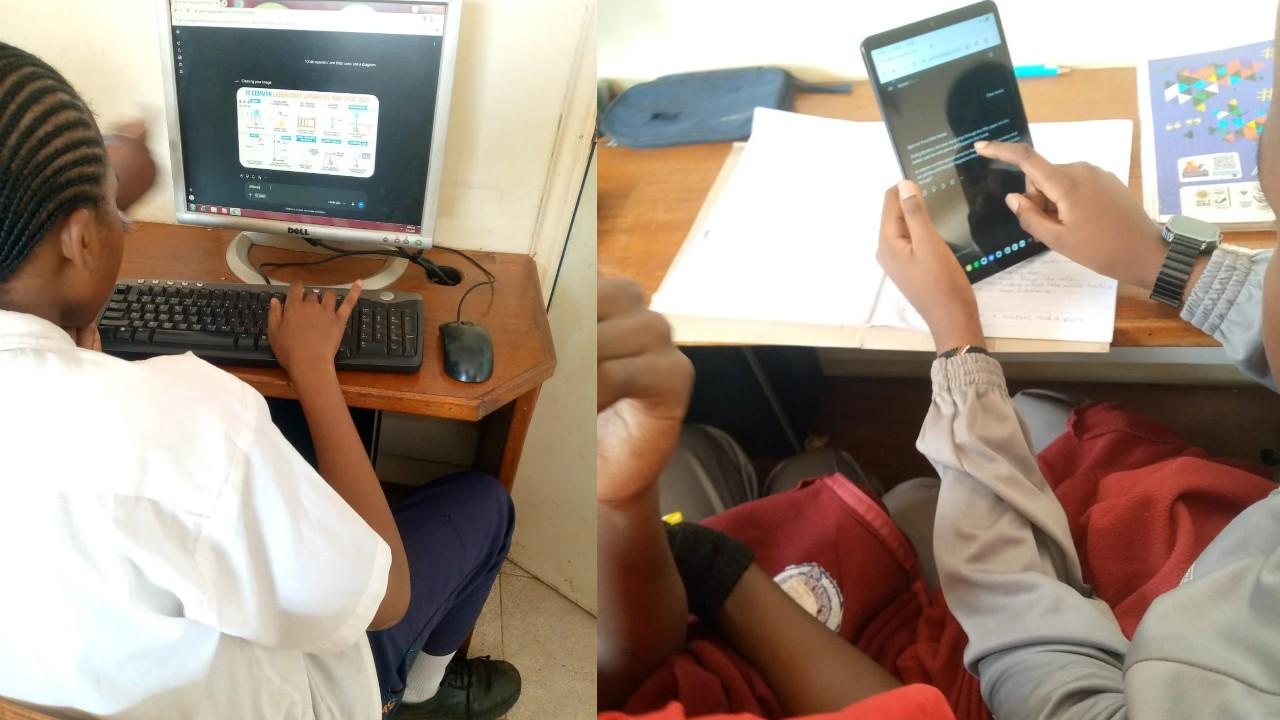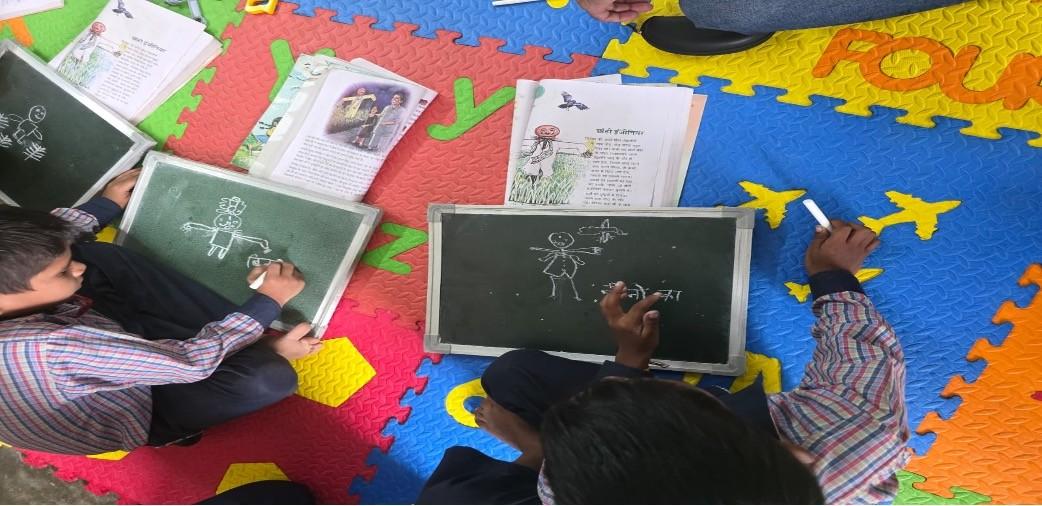

On World Values Day, 15 October 2026, Mizizi Elimu Afrika joined the Directorate of National Cohesion and Values and partners to mark this year's World Values Day themed: National Values and Active Citizenship. Embracing National Values for Socio-Economic Transformation.
What kind of Kenyan are we preparing?
When we talk about Kenya's socio-economic transformation, the conversation quickly turns to infrastructure, technology, jobs, investment and growth. These matter. But beneath every one of these ambitions sits a more fundamental question: what kind of Kenyan are we preparing to build, and sustain, the Kenya we want?
Our Constitution offers an answer. Article 10 places national values and principles of governance at the heart of our country: patriotism and national unity; human dignity, equity and social justice; inclusiveness and participation; integrity, transparency and accountability; and sustainable development. These values bind every citizen, not only State organs and public officers.
That makes them more than aspirations written on paper. They are meant to shape how we live, learn, lead, work and relate to one another. If Kenya wants transformation that lasts, we must start nurturing these values early.
Values begin at the foundation
At Mizizi Elimu Afrika, we believe foundational learning must be understood more broadly. A child needs to read with understanding and work confidently with numbers. That same child also needs to relate to others, solve problems, collaborate, take responsibility and make principled choices.
This is why our understanding of foundational skills brings together literacy, numeracy, life skills and values. Life skills include capabilities such as self-awareness, problem-solving and collaboration. Values include respect, empathy, responsibility and integrity.
These are not competing priorities. Reading gives a child access to knowledge. Numeracy equips them to navigate and solve everyday problems. Life skills give them the capability to act. Values help them decide how that capability should be used.
Competence is not enough
Education cannot simply produce people who are competent. It must help raise people who use their competence responsibly.
Kenya needs entrepreneurs who create value with integrity, and citizens who are patriotic, understand accountability and respect diversity. We need leaders who place service above self-interest, and young people who can disagree without dehumanising each other and who respect their elders. We need communities that recognise that another person's dignity does not diminish their own.
That is where foundational skills meet nation-building.
Values are caught as much as taught
One lesson from our work stands out: values cannot simply be memorised. We cannot promote integrity by asking children to recite its definition, then place them in environments where integrity is not practised. We cannot nurture respect while children experience the opposite in their communities and wider society.
Nor can we teach inclusion while some groups feel left out of national conversations. And we cannot build responsibility in children and young people who are never trusted with any. That trust must, of course, be exercised responsibly. We gain power by sharing it.
Our values-based education approach therefore emphasises safe, relational learning environments. Here, teachers model respect, encourage collaboration and give learners room to express themselves and support one another. This is how we begin transforming the nation from where it matters most: our children.
The classroom should be one of the first places where children experience the Kenya envisioned in our Constitution. It should be a place where dignity is respected, where girls, boys and intersex children have a voice and agency, and where integrity is demonstrated by adults, not merely demanded of children.
Why values matter for the economy
Economies are ultimately built by people, and technical competence alone cannot deliver national transformation. Human capital must mean more than the knowledge people hold. It must also include their ability to cooperate, exercise agency, solve problems, take responsibility and contribute to society.
This is why Mizizi deliberately positions values and life skills alongside literacy and numeracy within foundational learning. Our vision is that children and young people, especially those furthest behind, have the foundation to learn, relate and thrive.
Three shifts Kenya needs
1. Make values integral to foundational learning. Our ambition should be children who can read, reason, relate, solve problems and act responsibly.
2. Create environments where values are lived, not just taught. Schools, homes and communities must nurture values and practise them.
3. Connect learning and values deliberately to the Kenya we want to become. Every investment in children and youth is more than an investment in examination results and jobs. It is an investment in Kenya's future and in sustainable socio-economic transformation. That means giving values a place in how we measure progress: by the society we become and the values we build in our people and our children.
Nurturing values is our shared responsibility
Each of us has a responsibility to nurture and live these values. Let our children, friends and learners hold us to account on them, so that we learn, and show, that values truly matter.
Nurturing values is my responsibility, your responsibility and our responsibility.