When I joined Mizizi Elimu Afrika as an Ecosystem Intern, I expected to gain practical experience that would complement what I had learned in the classroom. What I found was a much broader learning opportunity, one that introduced me to ecosystem building, government engagement, stakeholder coordination, and programme support within an organization working to improve educational outcomes.
The internship challenged me to think critically, communicate professionally, and recognize the role collaboration plays in achieving sustainable change. It also helped me understand that transforming education requires much more than interventions in the classroom.
From the beginning, I was welcomed into a supportive and purpose-driven environment. Learning about Mizizi Elimu Afrika’s vision, strategic priorities and operations gave me a clearer picture of how education systems function.
I came to understand that lasting educational change requires strong partnerships among government institutions, development partners, schools, communities, and civil society organizations. Each contributes to different expertise, resources, and perspectives. Bringing these actors together, and ensuring they remain focused on a shared goal, is an important part of ecosystem building.
Building partnerships and aligning interests
One of the highlights of my internship was participating in an online workshop on partnership development and collaborative programme implementation.
The discussions showed me that partnerships fail simply because organizations have similar interests. They require trust, clearly defined responsibilities, open communication, and continuous engagement. Stakeholders may approach the same issue from different perspectives, so aligning their priorities is essential to achieving shared objectives.
The workshop also emphasized the importance of continuous professional learning. I realized that effective development work depends as much on the quality of relationships as it does with technical expertise.
Understanding the decisions behind programmes
Attending budget-planning sessions at the Kenya Institute of Special Education (KISE) gave me another perspective on programme implementation.
Observing the discussions helped me understand that innovative ideas alone do not make a programme successful. Those ideas must be supported by realistic budgets, responsible resource allocation, and clear accountability mechanisms.
Financial planning determines what can be implemented, when it can happen, and how available resources can create the greatest value. This experience helped me recognize budgeting as a core part of programme delivery, rather than simply an administrative requirement.
Connecting our work to the child
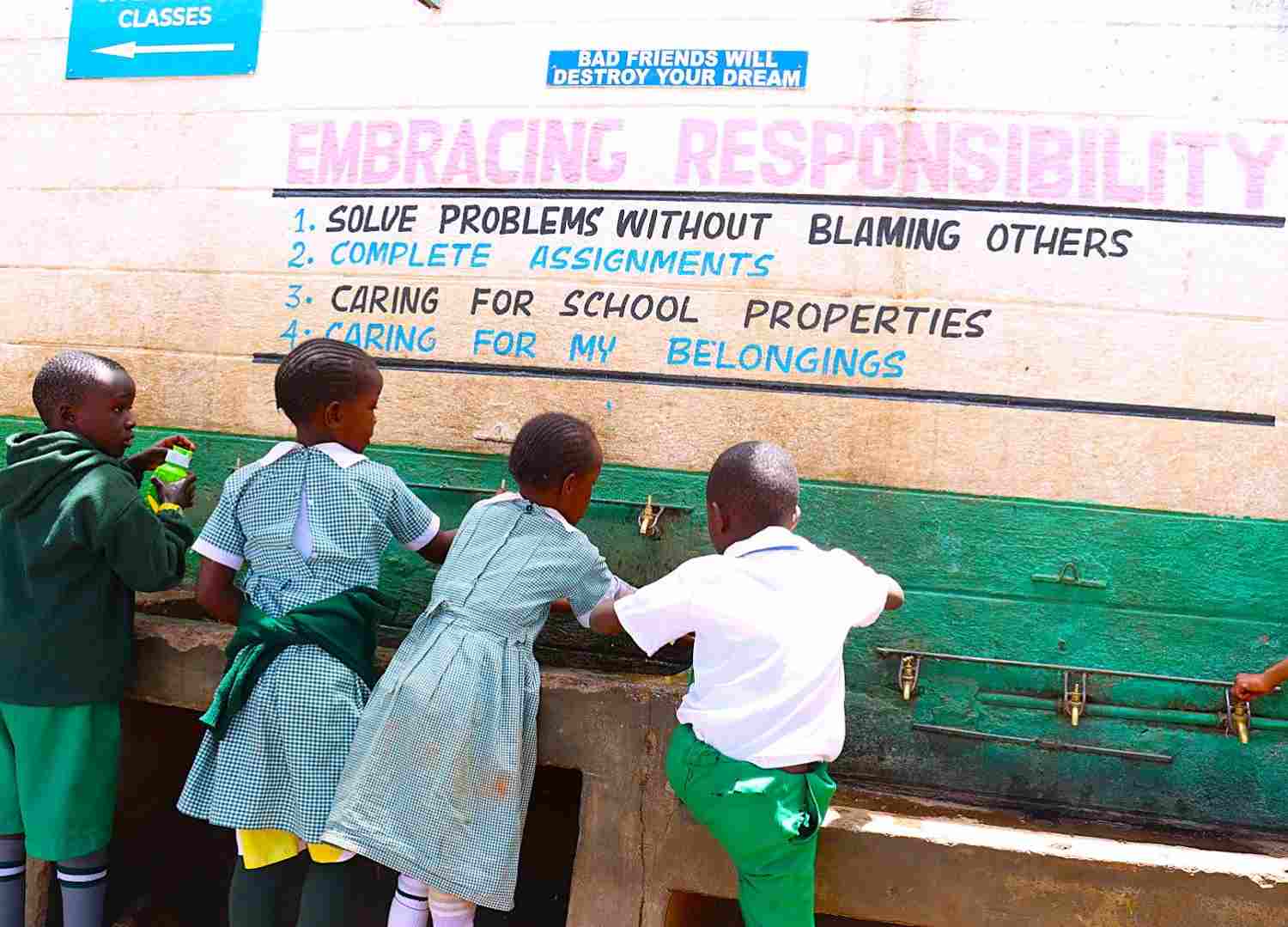
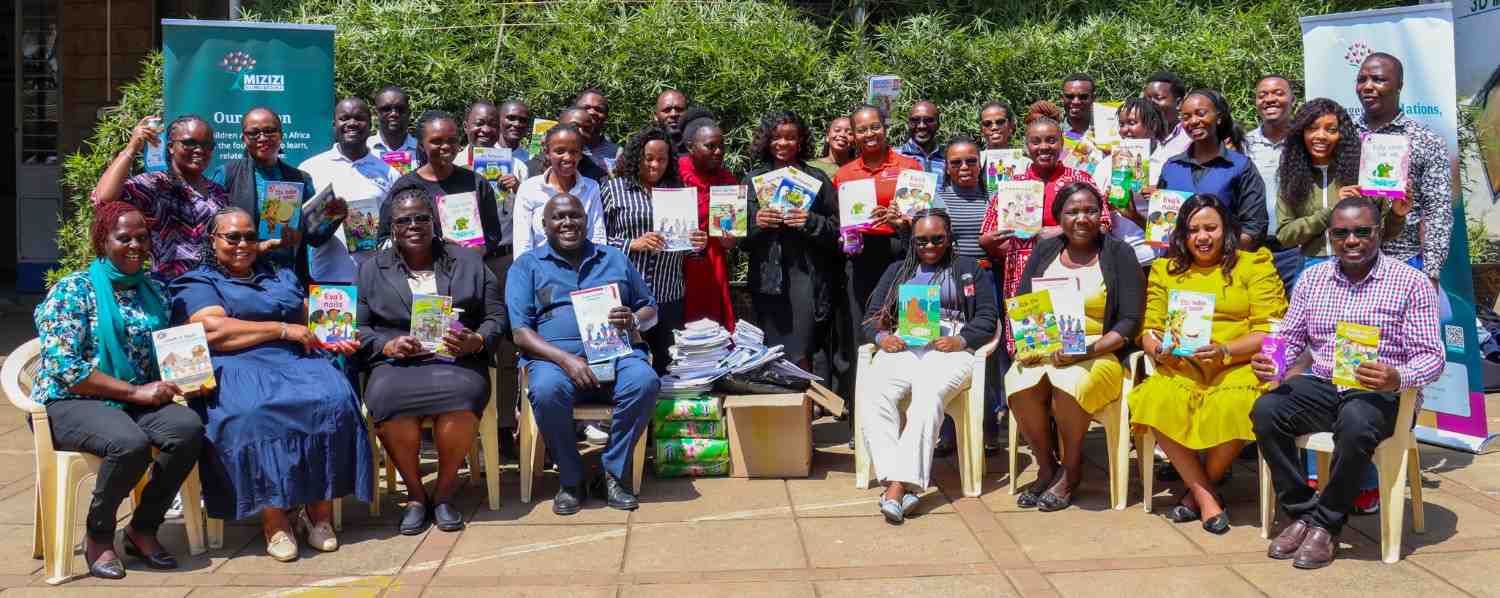
My participation in the Day of the African Child celebrations at Wangu Primary School was one of the most memorable moments of the internship.
Reading storybooks with learners and participating in literacy activities allowed me to witness the joy and confidence that reading can inspire children. More importantly, the experience reminded me that behind every policy, programme, budget and partnership is a child whose learning and future are influenced by the quality of our work.
It strengthened my appreciation of community engagement and reinforced my desire to contribute to initiatives that place children at the center of development.
Learning from the work behind the scenes
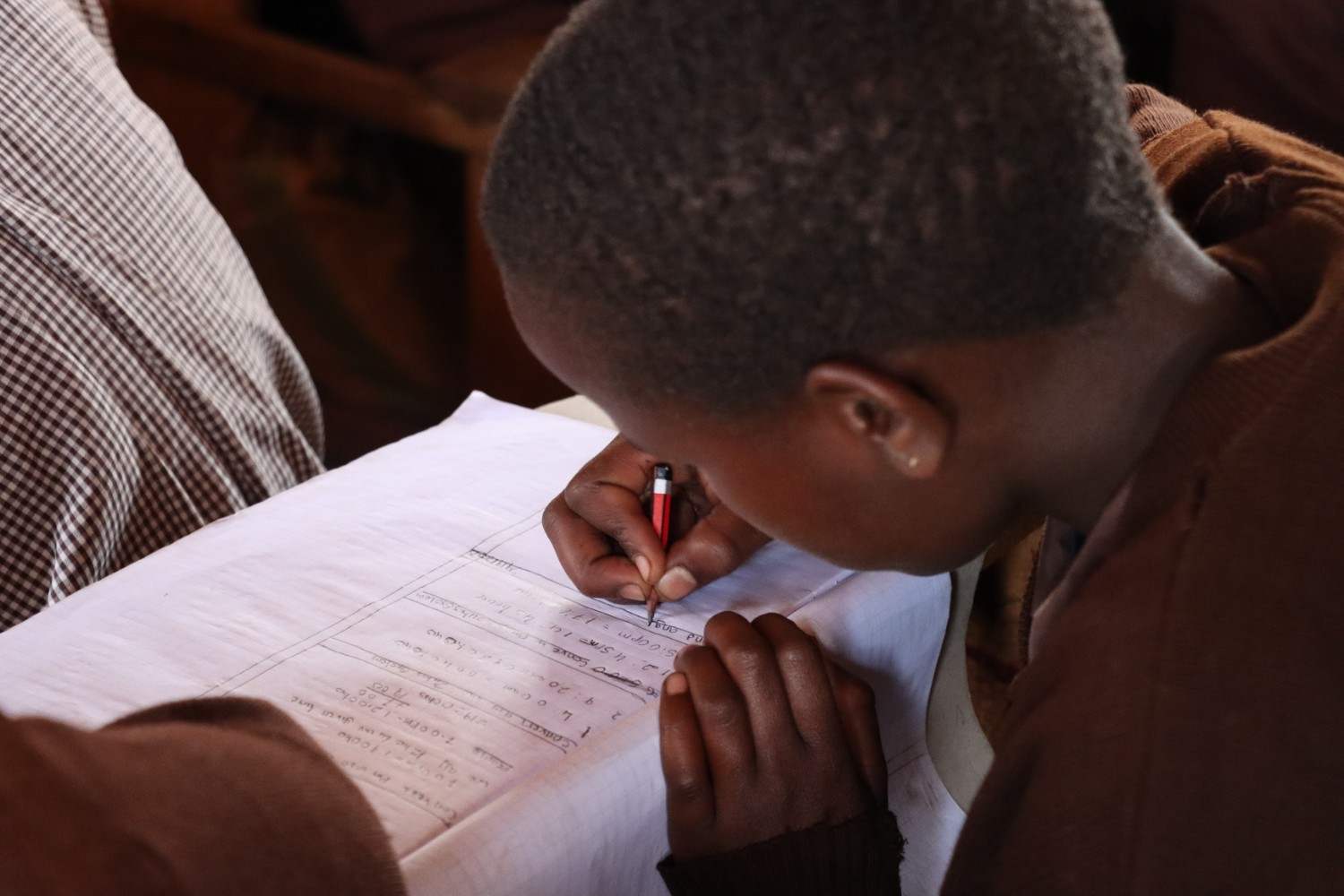
Throughout the internship, I was entrusted with administrative and coordination responsibilities, including preparing official correspondence, organizing stakeholder records, compiling reports, and maintaining partnership documentation.
These responsibilities may appear routine, but they taught me the importance of accuracy, organization and professionalism. When an organization works with multiple stakeholders, reliable documentation and clear communication are essential for institutional efficiency, continuity, and accountability.
I also supported the preparation and verification of documents for visa applications connected to an international learning visit. The assignment required attention to detail, confidentiality, and accuracy, particularly under tight timelines. It strengthened my skills in data management, document verification, and records administration.
Completing some assignments remotely also taught me to manage my time, remain accountable, and adapt to different ways of working.
The value of mentorship
Perhaps the most important lesson from my internship was the value of teamwork and mentorship.
I worked alongside experienced professionals who generously shared their knowledge, provided constructive guidance, and encouraged me to approach every assignment with curiosity and commitment. Their support strengthened my technical abilities and gave me greater confidence to contribute within a professional environment.
I learned that professional growth does not come only from completing tasks. It also comes from asking questions, receiving feedback, observing how experienced colleagues make decisions, and being willing to improve.
Looking ahead
This internship was far more than an academic requirement. It became an important milestone in my personal and professional development.
It strengthened my communication, organization, documentation, and stakeholder engagement skills. It also deepened my understanding of how evidence, partnerships, and government collaboration contribute to stronger education systems.
Most importantly, the experience reaffirmed my desire to pursue a career that contributes to meaningful social impact through collaborative and evidence-informed development.
I am grateful to Mizizi Elimu Afrika for providing an environment that encouraged learning, curiosity and professional growth. The skills, relationships and experiences I gained will remain an important foundation as I continue my academic journey and prepare for future professional opportunities.