Young people have the potential to transform their communities, but unlocking that potential requires more than creating jobs. It demands investment in foundational learning, digital skills and volunteerism, as well as stronger partnerships that support young people’s transition into the world of work.
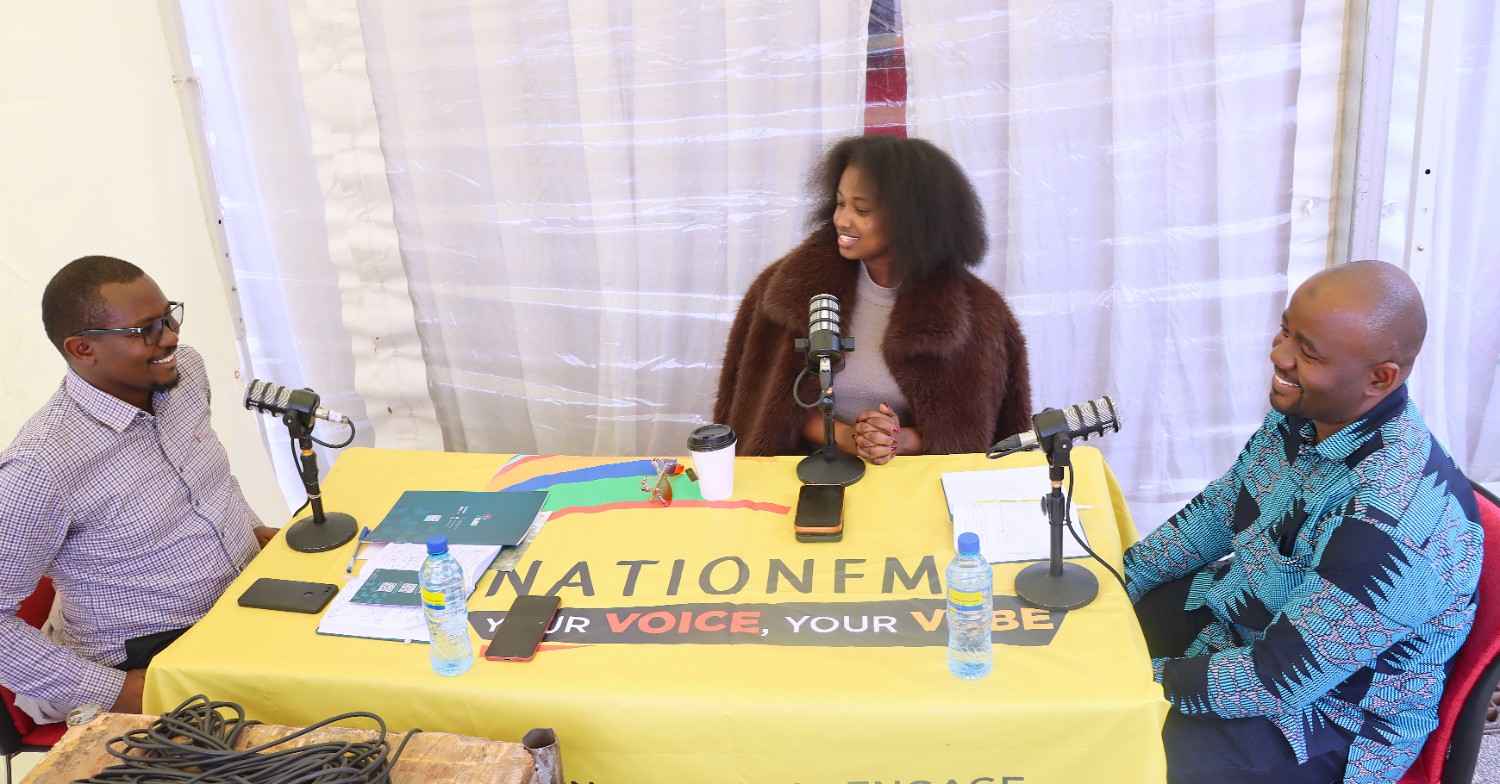
This was the key message from Mizizi Elimu Afrika during a Nation FM interview held as part of the World Youth Skills Day celebrations at the Scale Up Africa Expo.
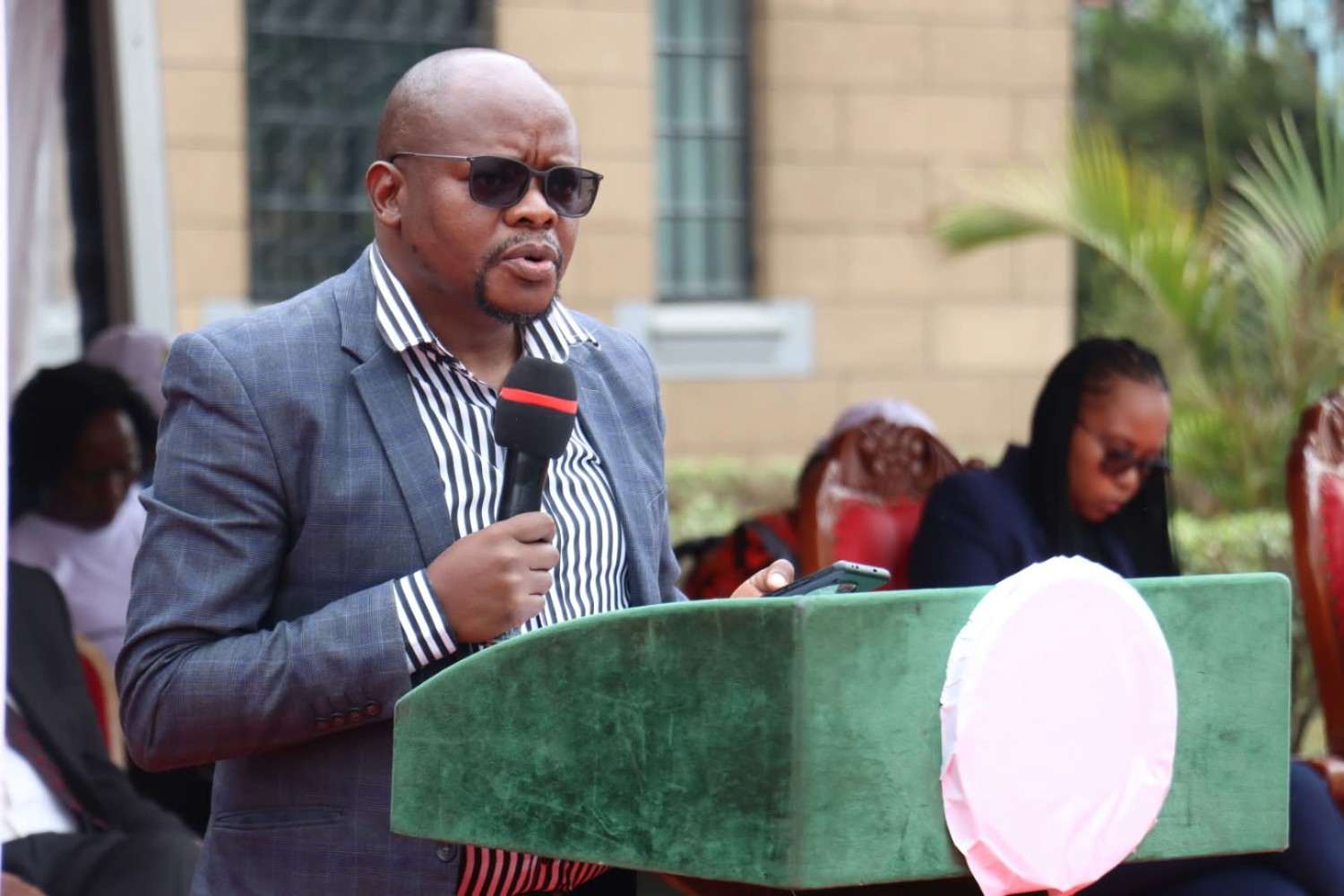
Apollo Ibrahim, Mizizi Elimu Afrika’s Youth Agency Coordinator, said young people should no longer be viewed simply as beneficiaries of development programmes, but as active partners in developing solutions to society’s challenges.
Drawing on findings from Mizizi Elimu Afrika’s Future of Work study in Mombasa County, Apollo explained that youth unemployment is not only a question of job availability. It is also about how effectively young people are supported as they move from education into employment. “Unemployment is not just about jobs. It’s also an issue of transitions,” he said, noting that governments, educators, employers and development partners all have a role in making those transitions successful.
The study also revealed a striking digital opportunity gap. While almost every young person surveyed had access to a mobile phone and the internet, only a small proportion used these tools to generate income. According to Apollo, this points to the need for practical digital skills that enable young people to pursue opportunities in freelancing, entrepreneurship and the wider digital economy.
Artificial intelligence (AI) is one area in which these skills are becoming increasingly important. Rather than viewing AI only as a threat to employment, Apollo encouraged young people to embrace it as a tool for innovation and productivity. Digital literacy, AI literacy and related capabilities, he argued, are becoming essential for anyone preparing for the future of work.
Yet technology alone is not enough. For Mizizi Elimu Afrika, success in the digital age begins with strong foundational skills.
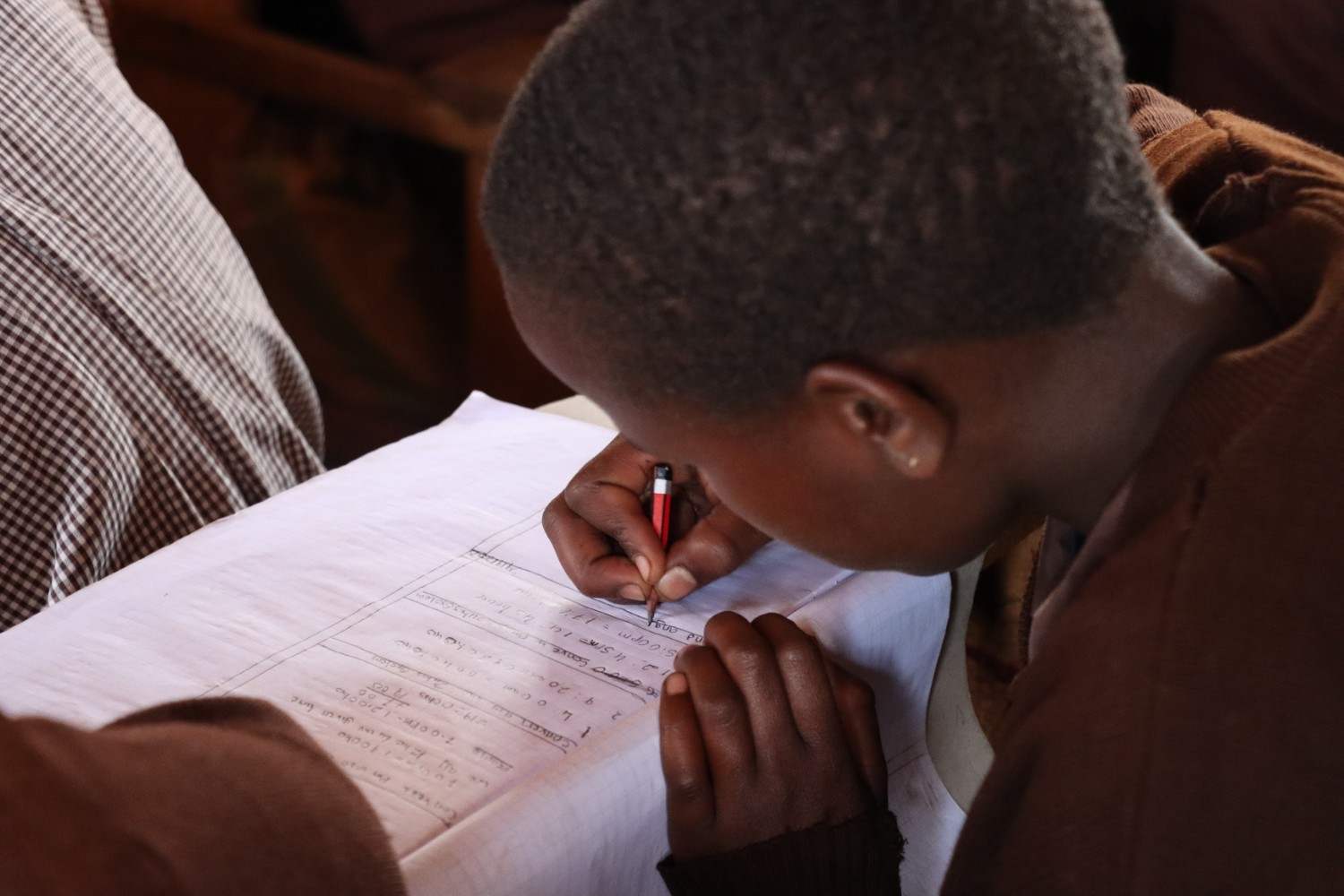
Mizizi Elimu Afrika’s Literacy Coordinator, Symon Muchiri, emphasised that literacy, numeracy, life skills and values remain the foundation of lifelong learning and employability. Regardless of how workplaces evolve, he said, young people must first develop the ability to read with comprehension, think critically, solve problems and build positive relationships.
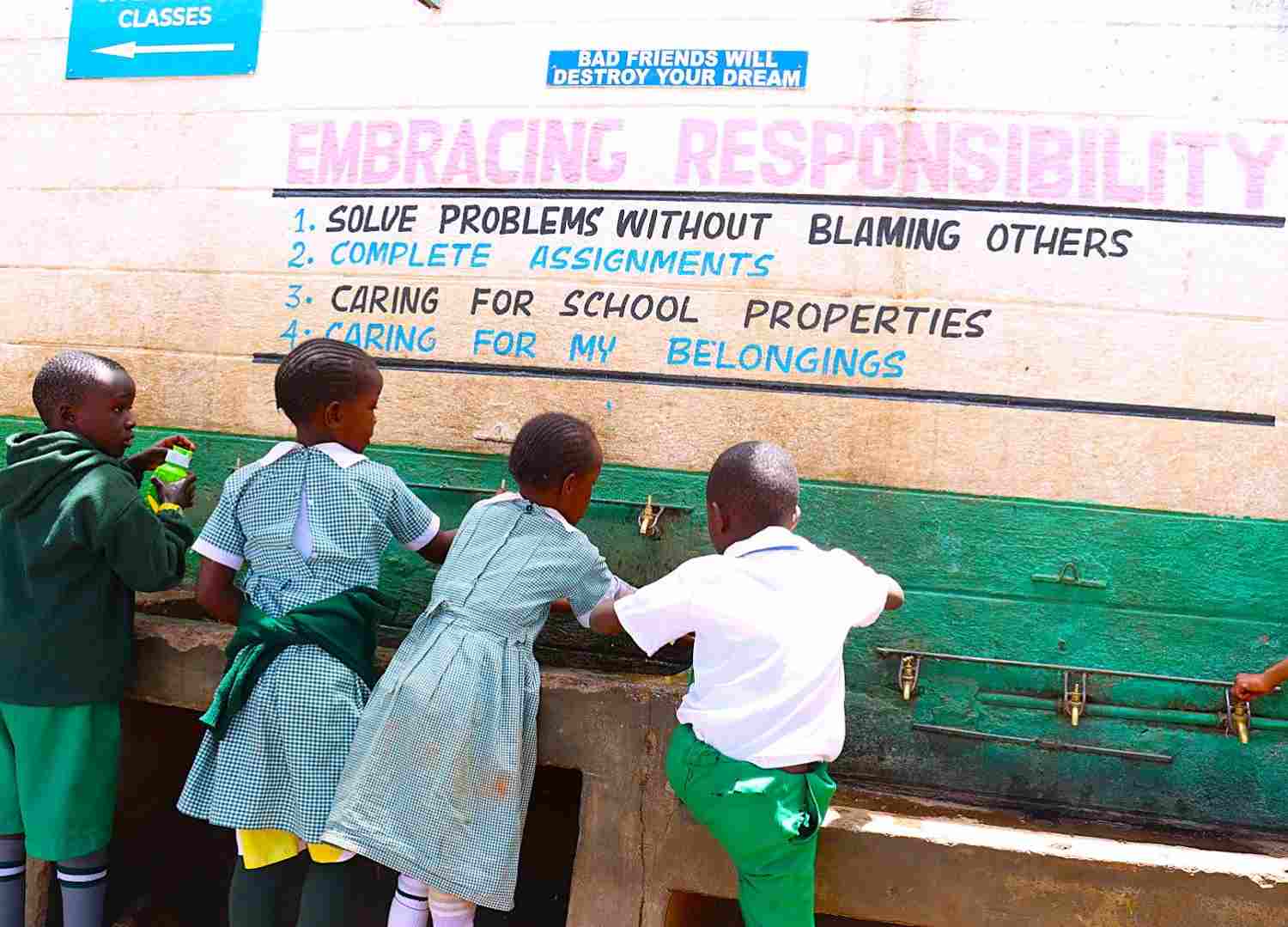
The organisation is putting this philosophy into practice through its My Village Holiday Learning Camps. Through the initiative, volunteer teacher trainees return to their home communities during school holidays to support children who are struggling with foundational learning. The camps have demonstrated measurable improvements in literacy within just two weeks, showing the impact young people can make when equipped with the right skills and support.
Volunteerism, Muchiri added, is more than community service; it is also a pathway to leadership and employability. Research conducted by Mizizi Elimu Afrika found that most teacher trainees are willing to volunteer, but many lack structured opportunities that connect them to meaningful experience and, eventually, employment.
Addressing these challenges requires collaboration across sectors. Governments, training institutions, employers, development partners and communities all have a role in ensuring that education responds to labour-market needs and that young people have opportunities to gain practical experience.
The focus must therefore shift from counting how many young people receive training to measuring how many successfully transition into decent work. Equally important is the need to define success beyond formal employment. Freelancing, self-employment and digital entrepreneurship offer viable pathways that many young people have yet to fully explore.
Preparing young people for the future of work requires more than technical training. It calls for strong foundational learning, relevant digital skills, opportunities to serve and learn through volunteerism, and partnerships that recognise young people not as passive recipients of change, but as partners in shaping it.