One of the strongest messages emerging from the Action for Life skills and Values in East Africa (ALiVE) Leadership Summit 2026 was clear that, ALiVE is no longer simply implementing programmes, it is helping transform education systems across East Africa.
What began as a collaboration among a handful of organizations has grown into a regional coalition influencing how governments, curriculum institutions, examination councils, and education stakeholders integrate life skills and values education into national education systems.
For Irene Nyamu, Chief Executive Officer of the Regional Education Learning Initiative (RELI Africa), ALiVE's journey demonstrates the power of locally led systems transformation.
"Looking back from over five years ago to see us launching Phase 3 of ALiVE is really phenomenal," she reflected.
According to Nyamu, one of ALIVE's greatest achievements has been shifting from project-based implementation to strengthening the systems that shape learning for millions of children. Through sustained evidence generation, policy engagement, and strategic partnerships, the coalition has supported governments to take greater ownership of life skills and values education reforms.
"What is most exciting is the fact that we are able to see how much government has taken on leadership through the engagement that the ALIVE programme has been able to bring about," she said.
Across Kenya, Tanzania, Uganda, and Zanzibar, institutions responsible for curriculum development, assessment, and teacher professional development are increasingly embedding life skills and values into education policy and practice. This reflects ALiVE's long-term vision of ensuring that sustainable change is led and owned by national education systems.
"They have become so much a part of embedding life skills and values into the education system," Nyamu noted.
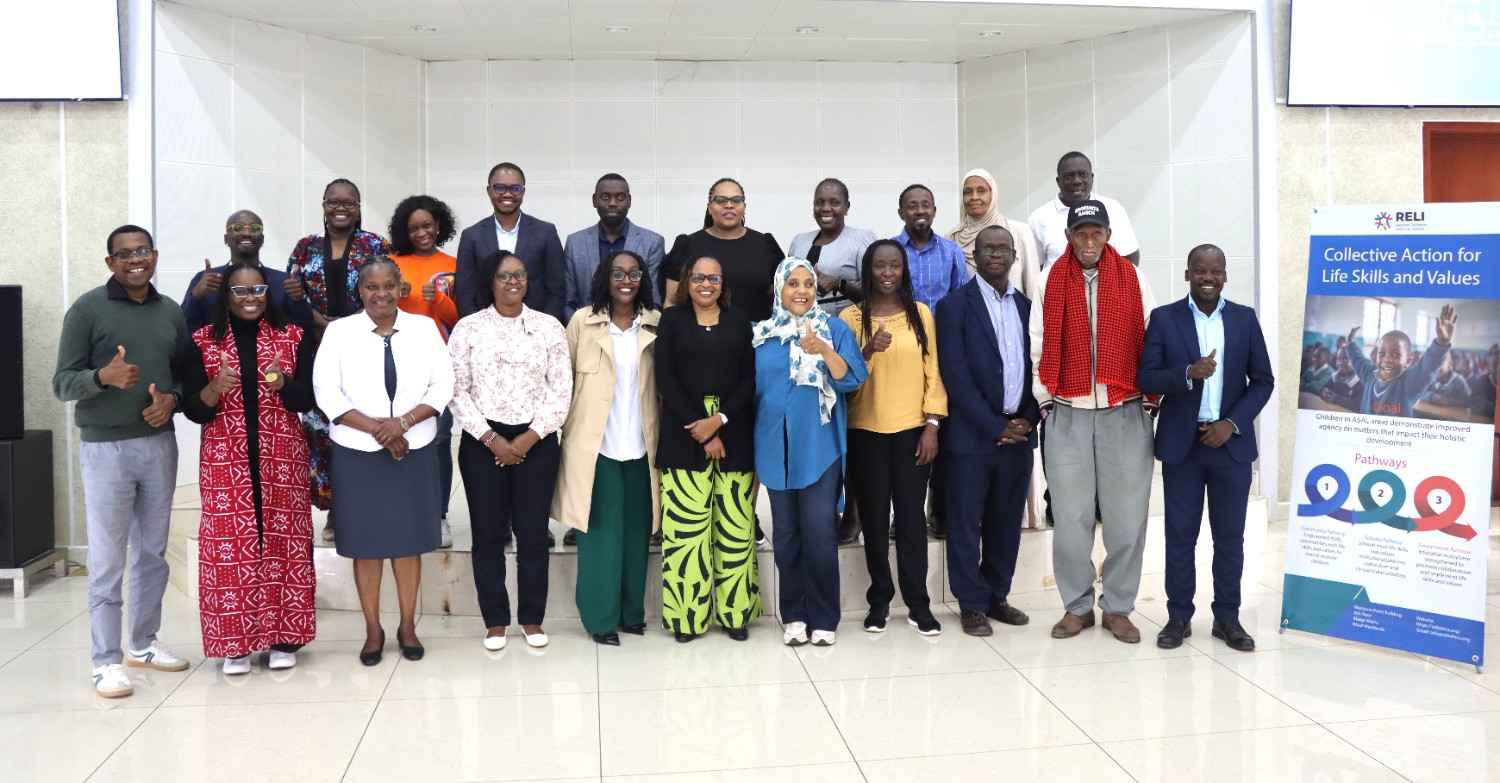
The five-day summit, held in June 2026, emphhasized that the next phase of ALIVE is about more than expanding reach. It is about deepening and sustaining systems change by supporting governments to institutionalize reforms, strengthen delivery mechanisms, and ensure that life skills and values education become an integral part of every learner's experience.
Ultimately, the coalition's ambition extends beyond improving education outcomes. It seeks to nurture responsible, resilient, and compassionate citizens equipped to navigate an increasingly complex world.
"We are really talking about raising citizens who value integrity, respect and love, while also being able to creatively find solutions to the challenges that modern societies are facing," Nyamu said.
Scaling Systems Change Towards 2030
Looking ahead, summit participants reflected on the partnerships, investment, and leadership needed to sustain this momentum.
Margaret Wawira of Mizizi Elimu Afrika described the summit as an opportunity to assess progress while aligning partners around ALiVE's next phase of growth.
The clearest evidence of systems change, she noted, can be seen in the transformation taking place within classrooms and communities.
"It's not just a tick-the-box kind of change. It's a behavioral, deeply ingrained change where people's behaviors have changed because of the initiatives happening around values-based education," she said.
These stories demonstrate the lasting impact of values-based education when it is supported by strong institutions, government leadership, and coordinated action among multiple stakeholders.
ALiVE's 2026–2030 strategy aims to reach 10 million children across East Africa while continuing to strengthen the education systems that make sustainable impact possible.
"ALIVE Phase 3 is a very ambitious strategy. It's a 70 million USD strategy, and we want to co-resource it with governments while mobilizing private sector funding as well," Wawira explained.
The coalition's emphasis on co-investment reflects a fundamental principle of systems change lasting transformation requires local ownership, institutional commitment, and shared accountability.
As the summit concluded, participants left with renewed confidence that ALiVE's greatest legacy will not simply be measured by the number of children reached, but by the strength of the education systems it helps transform. By embedding life skills and values education into policies, institutions, and everyday learning experiences, ALiVE is laying the foundation for generations of young people to learn, thrive, and contribute positively to society.
As one participant reflected:
"Twenty or thirty years from now, most of us will be retired. When you go to hospitals, who will be treating you? Who will be running our country? Who will be our teachers?"
The answer lies in the decisions being made today, to invest in stronger education systems and in the values, skills, and character of the next generation.