On a typical school day, a Grade 2 classroom at Wangu Primary School in Dandora is filled with eager learners, determined teachers, and the energy of children dreaming beyond their circumstances.
On June 16, that classroom became something more.
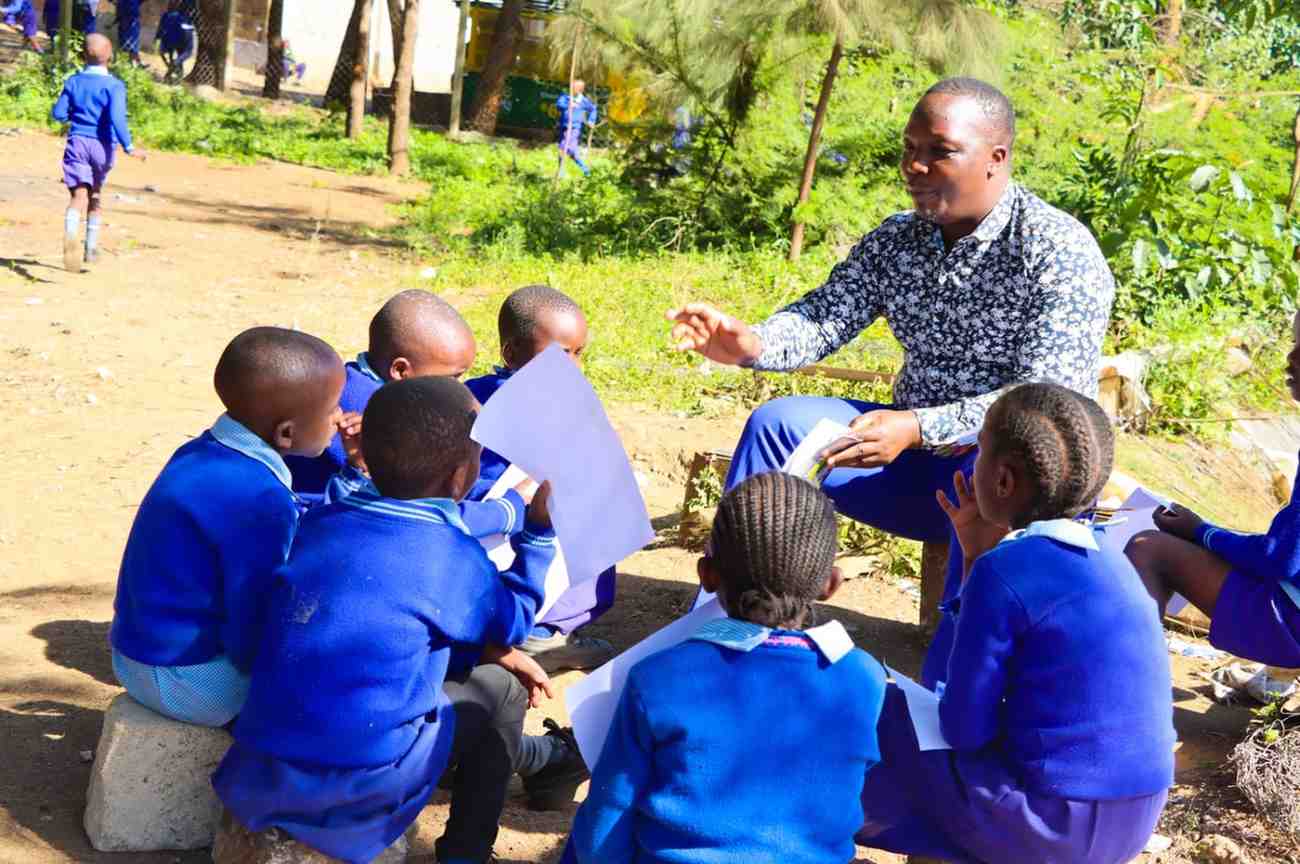
More than 30 staff and volunteers from Mizizi Elimu Afrika joined 224 Grade 2 learners to commemorate the Day of the African Child through a simple but powerful activity: reading together.
For three hours, books became bridges between adults and children, stories sparked imagination, and reading transformed from a classroom activity into an experience of joy.
Learners were grouped into small reading circles, with each Mizizi volunteer reading alongside approximately nine children. Together, they explored storybooks, identified pictures, read aloud, discussed characters, and retold stories in their own words.
The excitement was immediate.
Hands shot up to answer questions. Children eagerly described what they saw in illustrations. Others confidently retold stories to their peers, often adding their own interpretations and lessons. For many, it was an opportunity not only to read but also to be heard.
The activity reflected the spirit of this year's Day of the African Child, which calls on all stakeholders to create environments where African children can learn, grow, and thrive.
For Mizizi Elimu Afrika, the day was a reminder that foundational learning begins with meaningful interactions. A child who enjoys reading is more likely to develop language skills, confidence, curiosity, and a lifelong love for learning.
The event was made even more special through a partnership with Moran Publishers, who joined the commemoration and provided books at a discounted rate to support the initiative. Their contribution helped expand access to quality reading materials and strengthen efforts to promote reading for pleasure among young learners.
The donated books will support the school's reading culture and contribute to ongoing efforts to improve access to age-appropriate reading materials for children.
Wangu Primary School serves learners from a community facing significant social and economic challenges. Located near the Dandora dumpsite, the school continues to provide a safe and nurturing learning environment despite resource constraints.
Speaking during the event, Head of Institution Wachira Gakunya highlighted the challenge of limited access to books.
When you have 140 learners in a class and only 60 books, children are forced to share. Every child deserves access to their own reading material. That is how we maximize learning outcomes and improve literacy levels.
Deputy Head of Institution Imelda Milulu reflected on the impact books have on children beyond academics.
These children come from humble backgrounds, and some carry burdens beyond their years. Reading encourages them, inspires them, and gives them hope. Books improve vocabulary, creativity, writing skills, and confidence.
Dr. Lydiah Chege, Ecosystems Lead at Mizizi Elimu Afrika, noted that the resilience displayed by the learners was inspiring.
This school sits beside one of Nairobi's largest dumpsites, yet the children remain clean, disciplined, and eager to learn. Their resilience reminds us why every African child deserves the opportunity to learn, dream, and succeed.
The day also highlighted the important role partnerships play in supporting children's learning journeys.
Representing Moran Publishers, Marketing Assistant Yvonne Muriuki emphasized the transformative power of books.
Every child deserves quality education. Books help children understand the world, discover themselves, and build the confidence to become future changemakers.
As the reading circles came to an end, many children were reluctant to put the books down. Some wanted to read one more page. Others wanted to tell one more story.
Those moments captured the true meaning of the day.
The Day of the African Child is often marked through speeches and celebrations. At Wangu Primary School, it was celebrated through shared stories, listening ears, laughter, imagination, and the simple act of reading together.
Because when a child opens a book, they do more than read words on a page.
They discover possibilities.
And every African child deserves that opportunity.