Samburu County Government has committed to spearhead the development of a childcare model that will support child mothers to return to school while ensuring their children receive the care, nurture, and early development they need.
The commitment marks an important step toward addressing one of the interconnected challenges affecting children and young people in the county: adolescent pregnancy and its impact on education, wellbeing, and future opportunities.
For the past several months, Mizizi Elimu Afrika has worked alongside county and national government agencies, grassroots organizations, and community leaders to explore sustainable solutions for child mothers and their children. The goal is to develop a locally owned model that responds to the realities facing families while strengthening opportunities for girls to continue their education.
A major milestone was reached during a five-day co-creation exercise held in Samburu County in May 2026. The process included a two-day community immersion where teams comprising researchers, government representatives, child protection actors, and community partners spent time with child mothers, their children, and families to better understand their experiences and aspirations.
Reflecting on the experience, Mizizi Elimu Afrika Executive Director Dr. John Mugo emphasized the importance of building on community strengths.
I left Samburu encouraged, not because the challenges are small, but because the resilience is immense. I saw communities determined to support their children. I met girls who refuse to allow circumstances to define their future. And I witnessed foundations that can be strengthened rather than rebuilt.
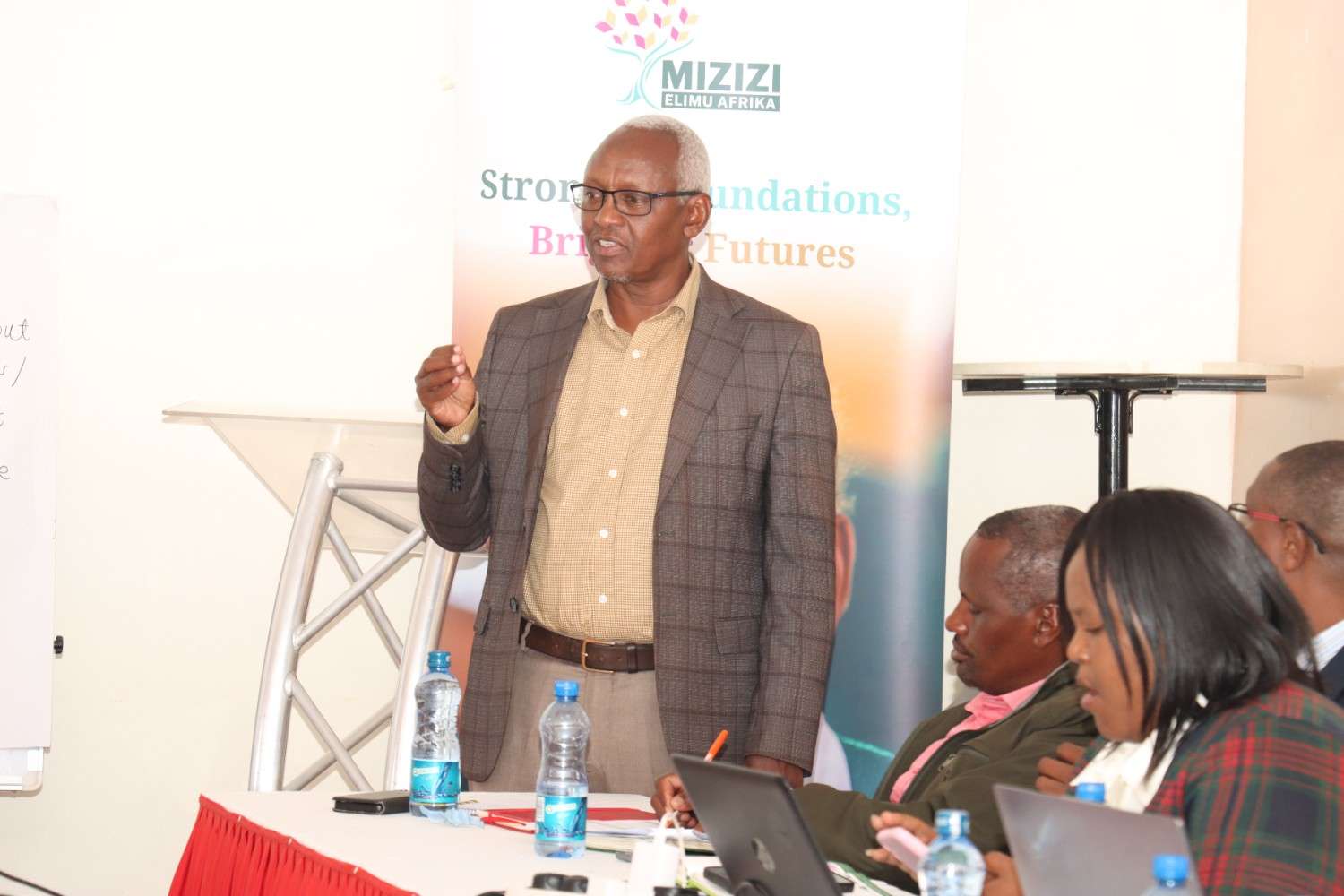
The engagement was hosted by the Samburu County Government and brought together leaders from the education, health, agriculture, child protection, and social development sectors led by County Secretary David Lenakula with County Ministers Dr Nasir Lekudere (Health), Dr. Mark Egelan (Education), and Lemoosa Sylvester (Agriculture). National and local officials, including children's services and gender commissions. The process reflected a shared recognition that supporting adolescent mothers requires coordinated action across multiple systems and institutions.
Supporting School Re-entry and Child Wellbeing
County leaders reaffirmed their commitment to supporting adolescent mothers to return to school while creating safe and nurturing environments for their children.
According to the county leadership, education remains one of the most effective pathways for improving life outcomes and expanding opportunities for young people.
We welcome this programme because it gives our children a second chance to pursue education and build better futures,” said Dr. Mark Egelan, County Executive Committee Member for Education. “Education is the greatest equalizer and a powerful opportunity for those seeking to improve their lives.
County officials noted that while resources and commitment exist, there is a need for technical support in designing effective childcare and school re-entry systems. Through the partnership, Samburu County and Mizizi Elimu Afrika will work together to develop practical approaches that enable adolescent mothers to continue learning while supporting the healthy development of their children.
A Shared Responsibility
The initiative also highlighted the importance of collective action in addressing complex social challenges.
Lucy Gati, Director of Public Awareness, Capacity Building and Partnerships at the National Council for Children’s Services, emphasized the need to view child mothers first and foremost as children whose rights and futures deserve protection.
Every child deserves a chance to learn, grow, and reach their full potential, regardless of circumstances.
The emerging childcare model will be developed through collaboration between Samburu County Government, national agencies, community organizations, and Mizizi Elimu Afrika. Beyond supporting school re-entry, the initiative seeks to strengthen nurturing care, improve child wellbeing, and create pathways for adolescent mothers to continue their education and pursue brighter futures.
As Samburu takes leadership in this work, the partnership offers an opportunity to generate lessons that could inform similar approaches in other counties facing comparable challenges.