Learner assessment reports are a cornerstone for improved learner outcomes to be achieved. When designed effectively, they do far more than present scores; they provide meaningful insights that guide decisions about student learning, placement, and progression. To achieve this, educators must move beyond basic assessment reporting and adopt a more strategic, learner-cantered approach.
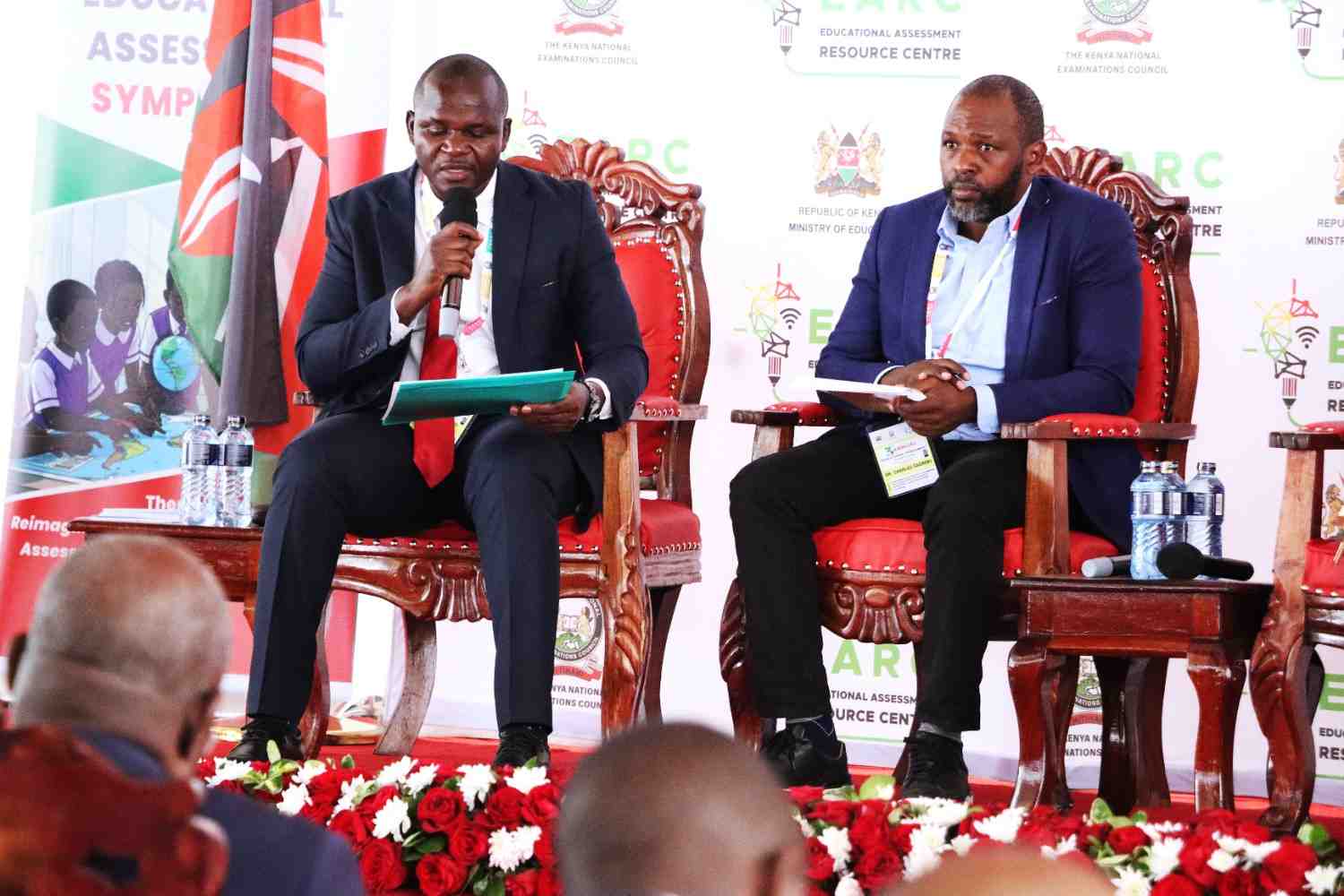
This article explores key insights for designing impactful learner assessment reports that support in improving educational outcomes. The article draws lessons from the 3rd Annual Education Assessments Symposium.
Purpose-Driven Reporting
The first and most important step in designing an assessment report is defining its purpose. Educators must ask: What is this report intended to achieve?
In many education systems, including Kenya’s, learners go through structured assessments such as early years evaluations and primary education assessments. Each of these serves a different function, some guide classroom instruction, while others inform transitions between levels.
A well-designed report aligns with its purpose. Whether it is meant for parents, teachers, or policymakers, the content and structure should reflect the specific decisions it is meant to support. Without a clear purpose, assessment reports risk becoming generic and less useful.
Comprehensive Data Collection
Effective assessment reports should present a complete picture of a learner’s performance. This requires combining both quantitative and qualitative data.
While numerical scores and grades are important, they only tell part of the story. Reports should also include:
Descriptions of skills and competencies
Observations on learning behaviour
Indicators of progress over time
For example, instead of simply stating that a learner achieved an “A,” the report should explain what that grade represents. Does it indicate mastery of key concepts? Strong analytical skills? Consistent performance?
Using rating scales and descriptive feedback helps communicate the depth and nuance of a learner’s abilities, making the report more meaningful and informative.
Tailoring Reports for Different Stakeholders
Not all audiences require the same type of information. A report that works for one group may not be effective for another.
Parents need clear, simple explanations and guidance on how to support their child.
Educators require detailed insights to inform teaching strategies and interventions.
Government officials and policymakers look for aggregated data and trends to guide system-level decisions.
Designing reports with these differences in mind ensures that each stakeholder receives relevant and actionable information. Tailored communication enhances understanding and increases the likelihood that the report will be used effectively.
Interpretation of Assessment Results
One of the most critical elements of an assessment report is interpretation. Presenting data without explaining its meaning limits its usefulness.
Reports should clearly answer:
What do the results indicate about the learner’s abilities?
What are the implications for future learning?
What actions should be taken next?
For parents, this might mean understanding how current performance could influence future academic pathways. For teachers, it could involve identifying areas where instructional adjustments are needed.
Clear interpretation transforms raw data into practical insights, enabling stakeholders to make informed decisions.
Conclusion
Designing effective learner assessment reports is not simply about compiling scores and statistics. It is about telling a meaningful story about a learner’s progress, strengths, challenges, and potential.
By focusing on clear purpose, comprehensive data collection, audience-specific communication, and meaningful interpretation, educators and assessment bodies can create reports that genuinely support learning and development.
When thoughtfully designed, learner assessment reports become powerful tools for improving teaching, guiding decision-making, and ultimately enhancing educational outcomes for all learners.