For many Kenyan children, home is one language and school is another. How well the two connect shapes how confidently they learn.
A child can know the answer.
And still not raise their hand.
They can understand the lesson.
And still struggle to explain it.
Not because they are not intelligent.
Sometimes, they simply do not have the language to express what they know.
For many children, home is one language. School is another.
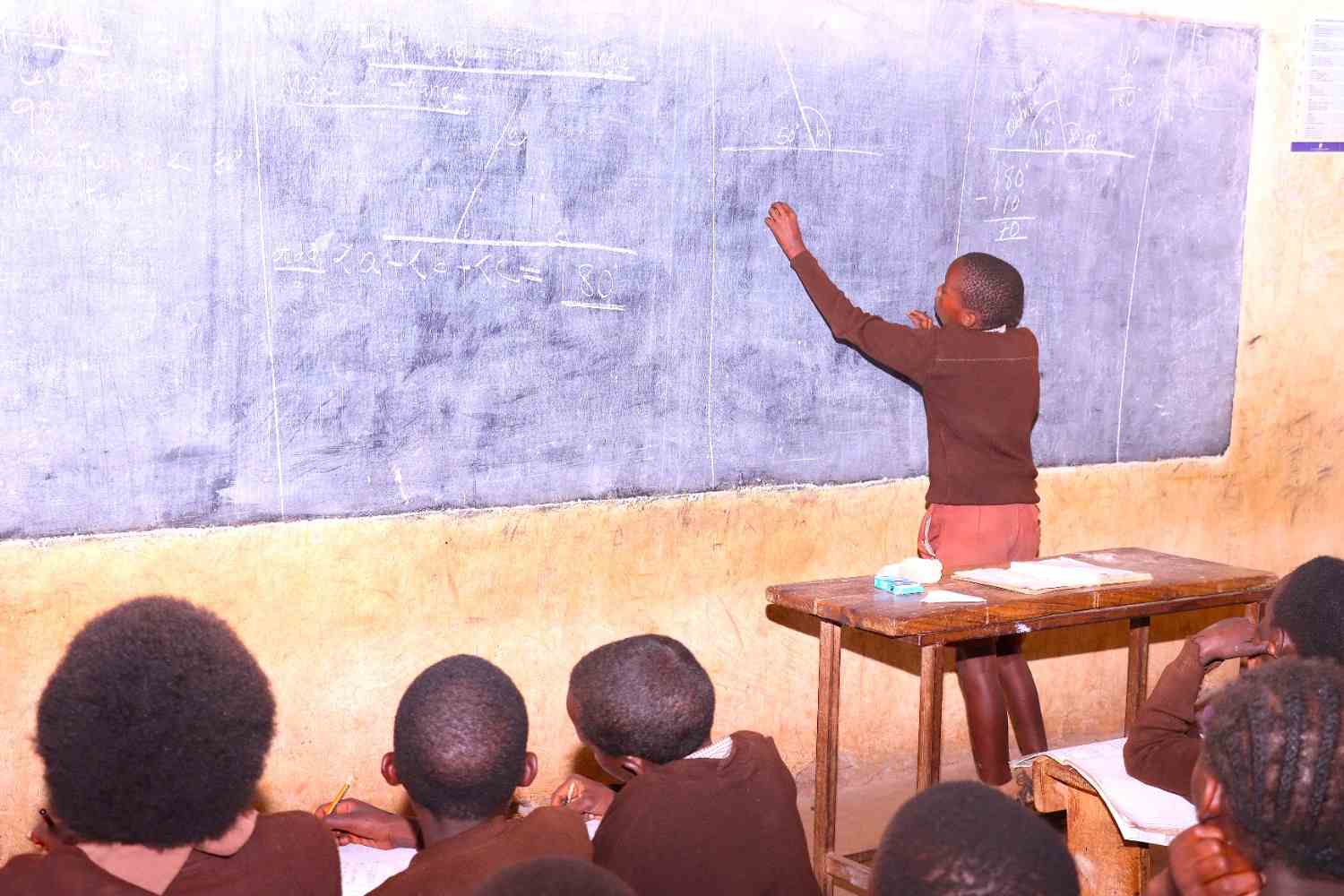
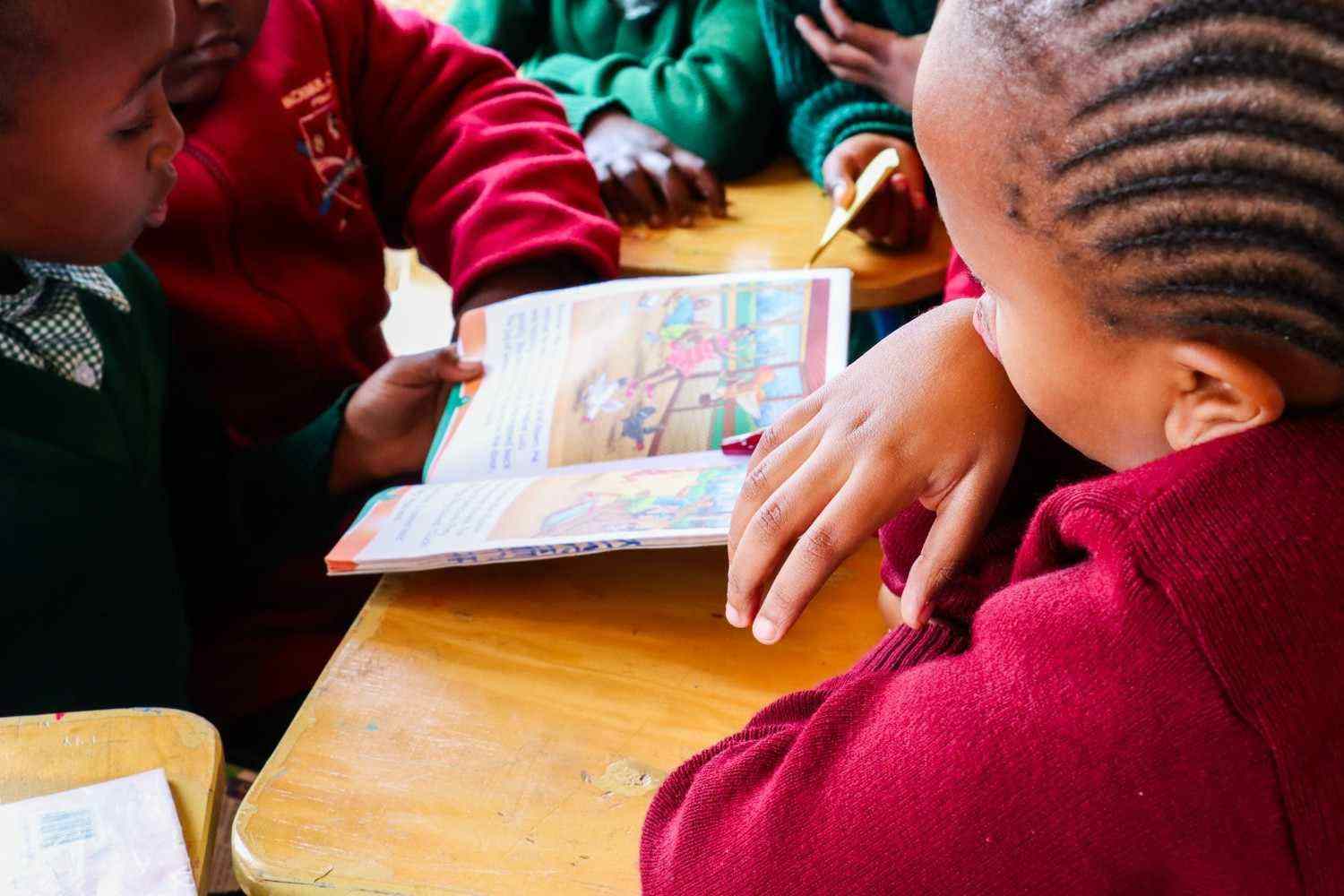
At home, they speak with parents and caregivers in their mother tongue. At school, they learn reading, mathematics and science through English or Kiswahili.
The transition is not necessarily harmful. Children can learn multiple languages.
But when the bridge between home and school is weak, children can experience language anxiety. They may fear making mistakes, stop asking questions and become quiet in class.
And silence can easily be mistaken for inability.
The languages must work together.
A parent does not need to speak English to support their child’s education.
They can tell stories.
Ask questions.
Count objects.
Discuss what happened at school.
Ask, ‘Why do you think that happened?’
They can build the child’s thinking in the language they know best.
Because the language is the vehicle. Thinking is the destination.
This is where Mizizi Elimu Afrika’s work on foundational skills can make a difference.
We work to build stronger bridges between home, school and the education system by equipping teachers, empowering parents and generating evidence on how children can move confidently between languages while building strong literacy and numeracy foundations.
The goal is not to replace the child’s home language with English.
It is to use what the child already knows to unlock what they are yet to learn.
A child should never have to leave their roots at the school gate.
At Mizizi Elimu Afrika, we believe strong foundations begin with recognising what children already bring with them.
Strong roots. Strong bridges. Strong learners.