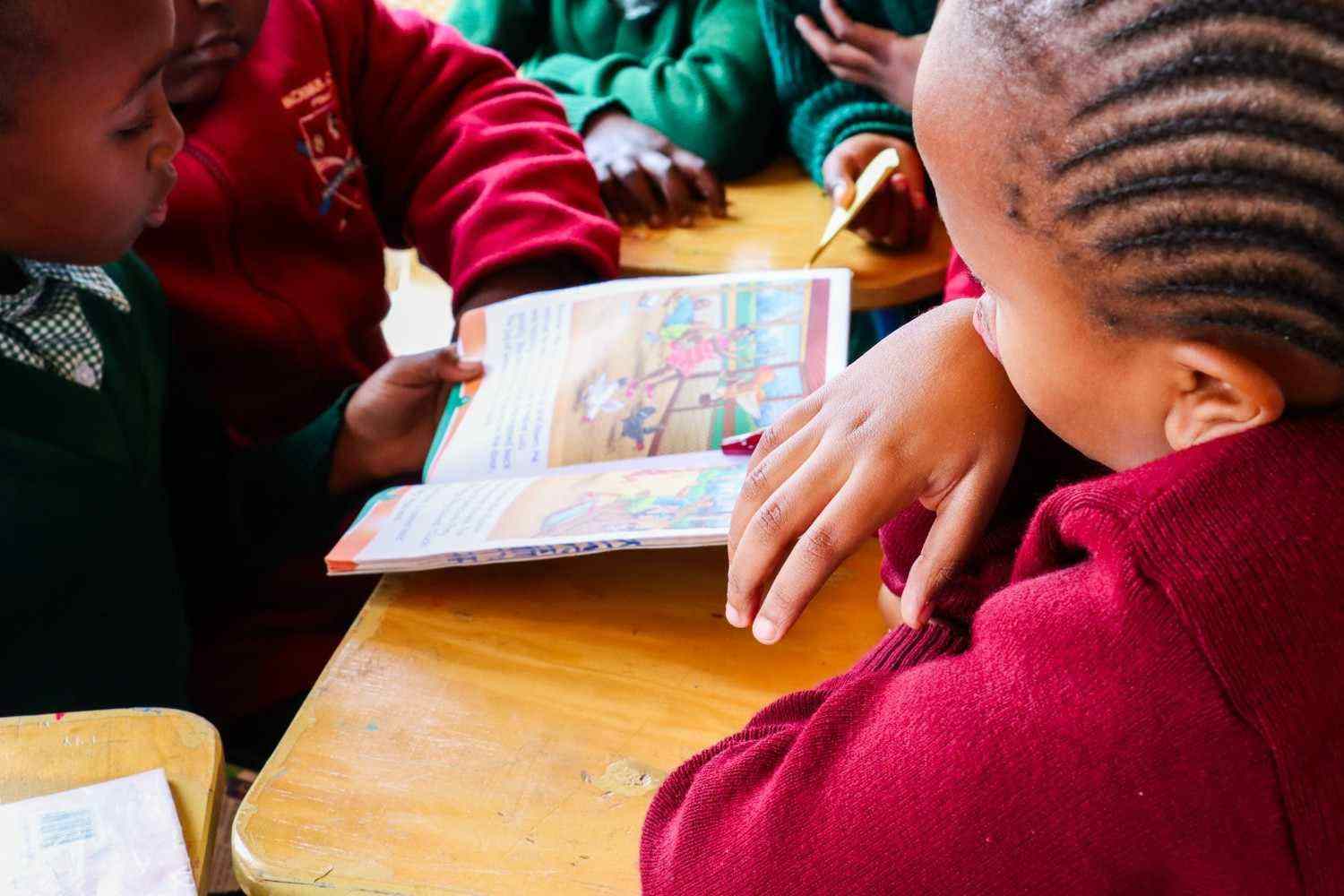
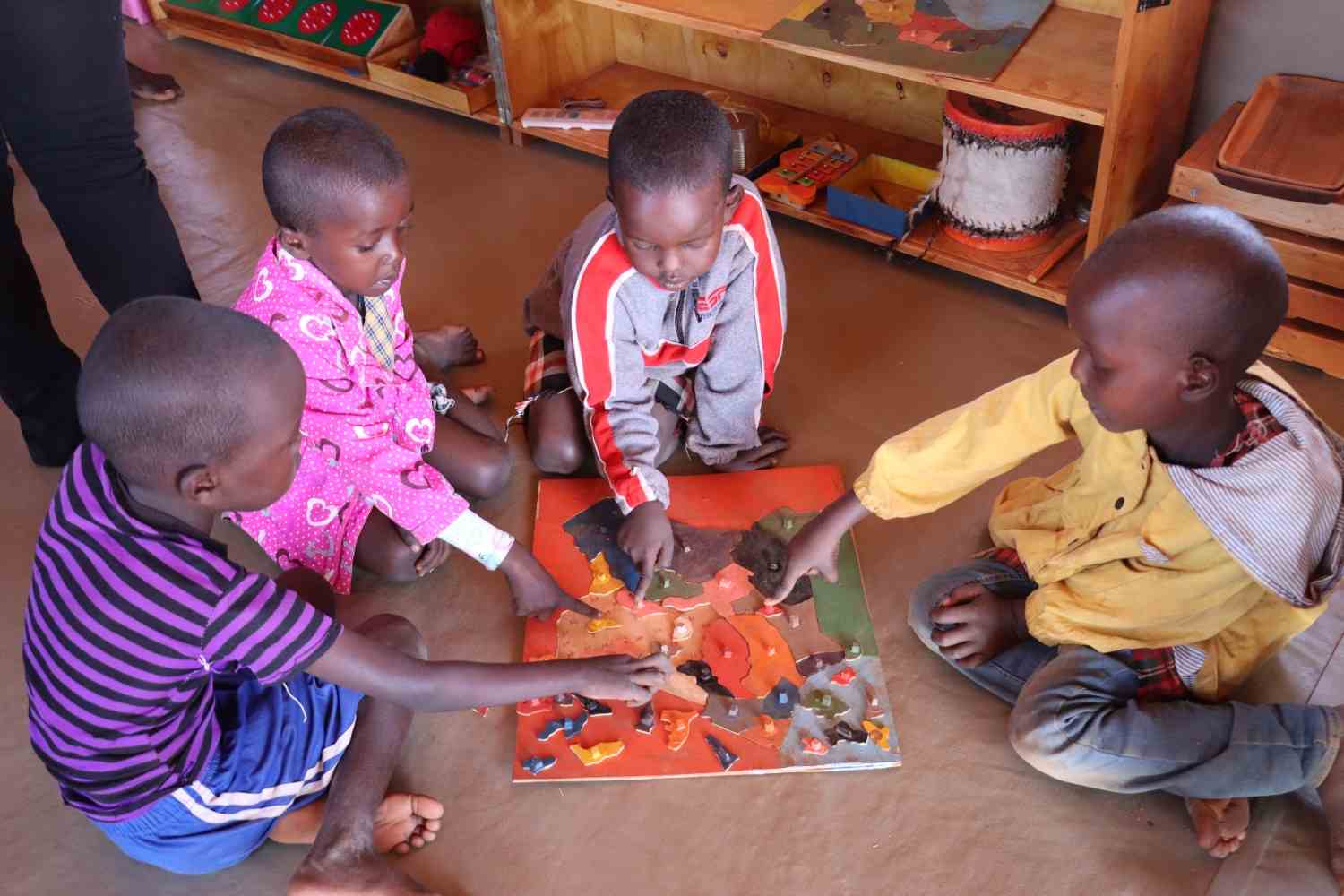
Somewhere in Kenya today is a child preparing to enter pre-primary school in January 2027. That child belongs to what President William Ruto has called the Class of 2040, learners who will complete senior school in a world we cannot fully predict.
That child may be growing up in a remote village, an informal settlement, a pastoralist community or an urban neighbourhood. Circumstances differ, but every child has the same right to meaningful learning and a hopeful future, with their rights enshrined in the constitution of this great nation
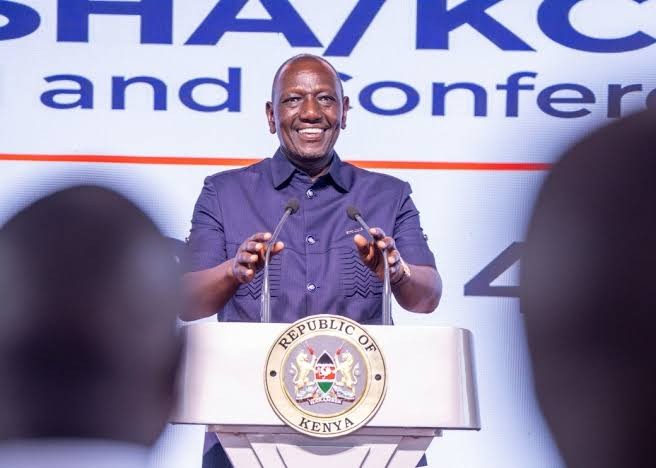
On 12 November 2026, at the Kenya Comprehensive School Heads Association (KECSHA) Conference in Mombasa, the President set a national goal: by 2030, every child should be able to read, write and count by the end of Grade 3. The distance to travel is considerable. He cited Usawa Agenda's 2026 Foundational Literacy and Numeracy Assessment (FLANA) report, noting that fewer than three in ten Grade 4 learners assessed could both comprehend a Grade 3 story and solve a Grade 3 numeracy problem.
Leave no child out
A commitment to every child must mean exactly that. Children with disabilities, those in remote and underserved communities, learners experiencing poverty and children whose education has been interrupted must be deliberately included in this reform design and implementation.
National averages can improve while particular groups remain behind. Equity must therefore shape assessment, resource allocation, teacher support and school leadership.
Mizizi Elimu Afrika's work on gender, inclusion, school re-entry and foundational learning reminds us that children's educational experiences are shaped by their wider social circumstances. Improving learning requires attention not only to classroom instruction but also to the conditions that enable children to participate, remain in school and thrive.
Move parents from participation to empowerment
The President's call for school heads to open their doors to parents is especially timely.
Kenya's Competency-Based Curriculum (CBC) explicitly recognises parents and caregivers as partners in children's learning and development. It has created opportunities for families to participate more deliberately in schooling the child, talent identification, competency development and the nurturing of values. This contribution should be appreciated and strengthened.
However, meaningful parental engagement must go beyond attending meetings, providing materials or supervising assignments. Parents need to understand how children learn, recognise learning difficulties, nurture aspirations and participate in decisions affecting their children's education.
Our experience at Mizizi reinforces this wider understanding. Our work on school re-entry, particularly among girls whose education has been interrupted, has confirmed the critical role of parents and caregivers in both return and retention. Returning a child to school is not simply an administrative achievement. Staying there requires encouragement, acceptance, practical support and relationships that restore confidence and a sense of belonging.
A promise for all of us to keep
The foundations laid in the early years will influence a child's confidence, educational progression, values and future opportunities. Government, education institutions, teachers, school leaders, families, communities and partners all share responsibility for turning the national ambition into sustained action.
Strong schools alone will not prepare the Class of 2040. It will take strong relationships and trust between schools, families and communities, so that every child is supported to learn, remain in school, develop values and discover purpose in education.
Let us not become a generation that successfully counted children in school but failed to secure their learning.
This is the promise that we must keep it our legacy.
Dr. Lydia Wangui Chege works with Mizizi Elimu Afrika on education systems strengthening, government engagement, evidence-informed policy, partnerships and collective action for foundational learning.