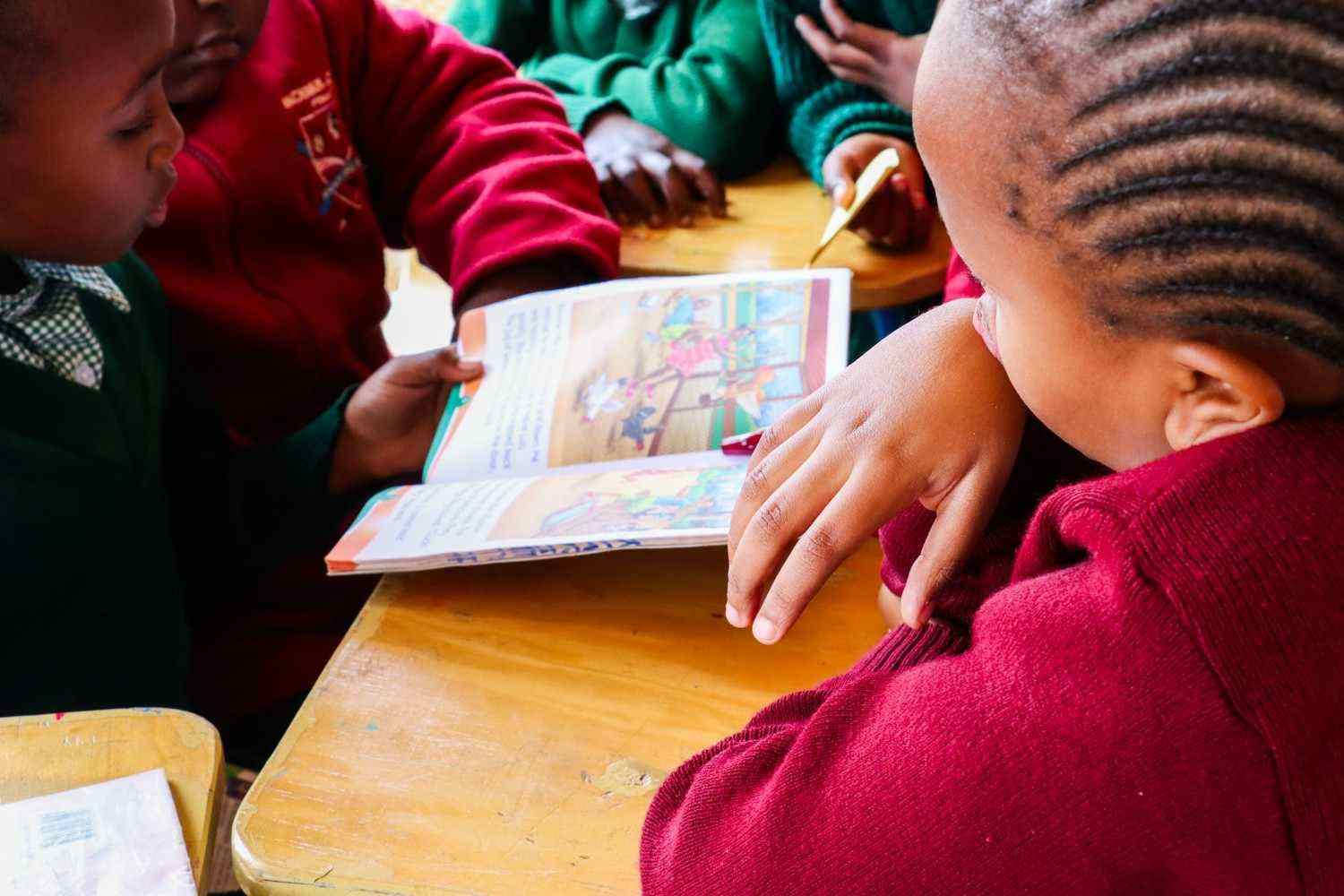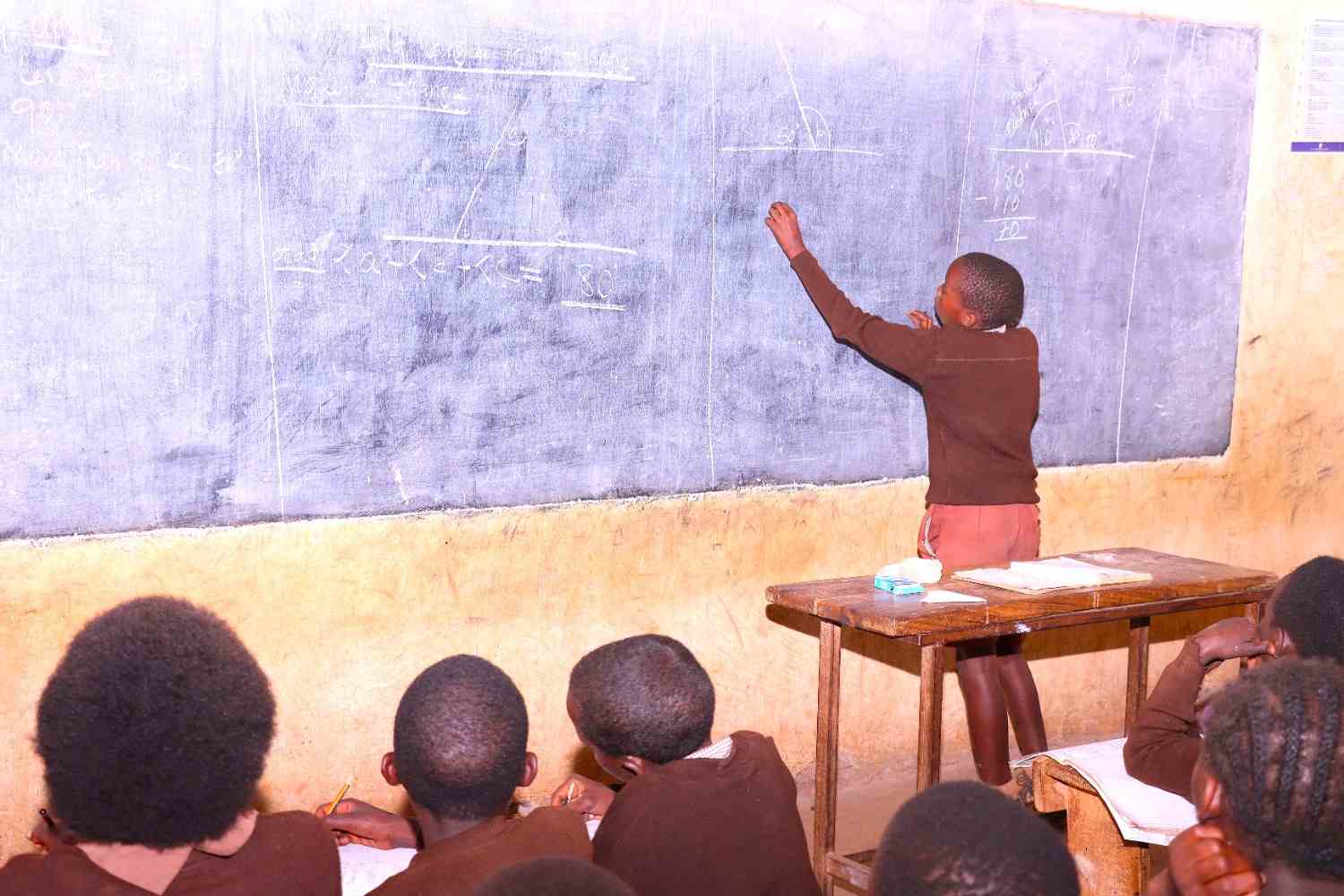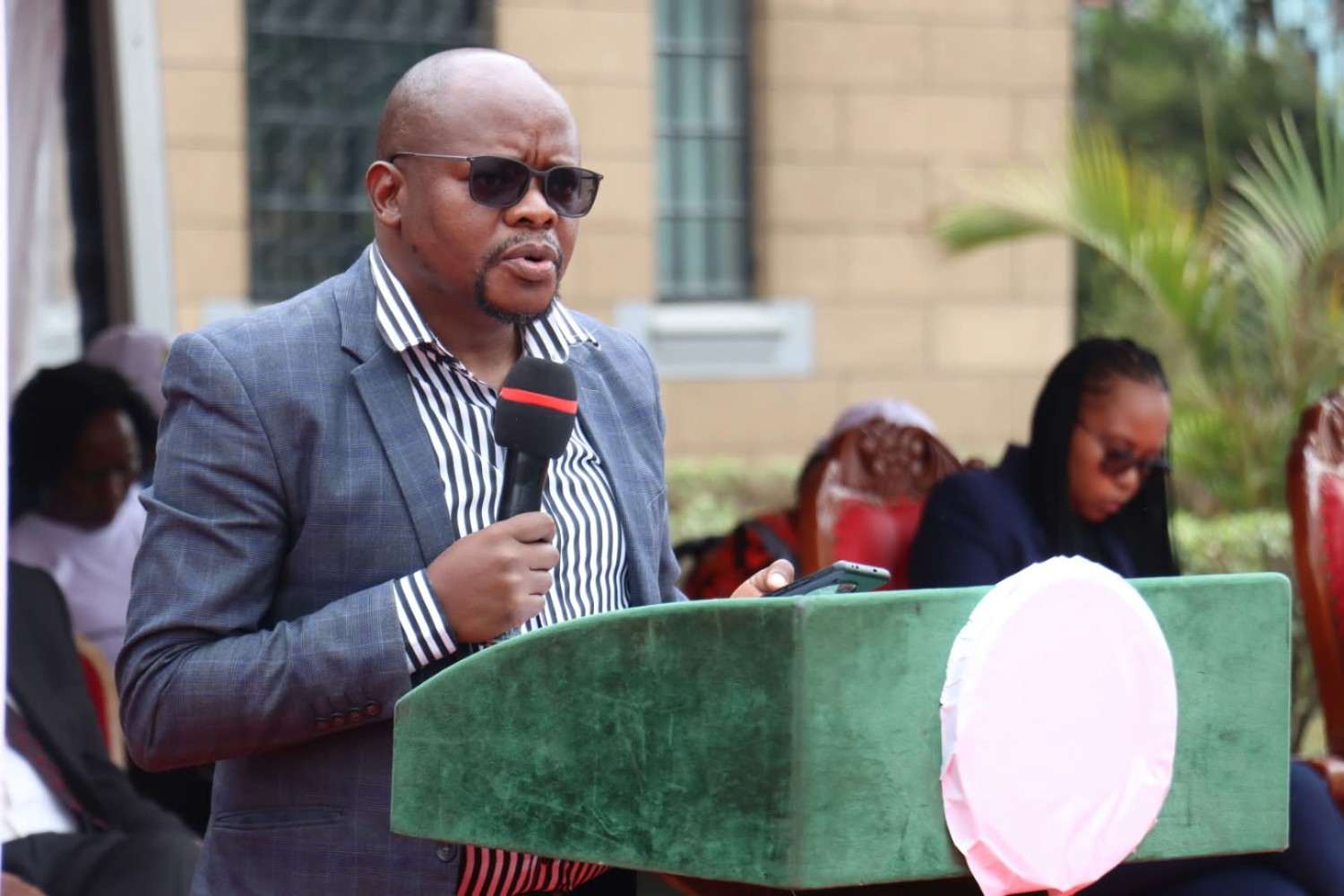
At the Kenya Institute of Special Education, a focused conversation brought together educators united by a shared purpose. The question was not whether inclusive education matters, that was already clear. The real question was how to ensure that learners with special educational needs experience meaningful, holistic development within systems still adapting to meet their needs.
There was strong agreement that every learner deserves access to education that is supportive, dignified, and responsive to their potential.
This reflects the broader work of Mizizi Elimu Afrika, which continues to advance foundational learning as a systems priority across Africa. Within this approach, inclusion is not an add-on, its central to system effectiveness. Yet evidence shows that progress remains uneven, particularly for learners who require additional support.
Recent data from Uwezo East Africa highlights the scale of the challenge. While access to schooling has improved, learning outcomes remain low. Nationally, only about 30 percent of Grade 3 learners can read and understand a Grade 2-level story. In numeracy, close to 40 percent struggle with basic division at the same level. By upper primary, gaps persist, with about 25 percent of learners unable to demonstrate foundational competencies expected at lower grades. In arid and semi-arid regions, performance levels are often 10 to 20 percentage points lower than the national average.
For children with disabilities, the disparities are even more pronounced. They are up to twice as likely to be out of school compared to their peers. Among those enrolled, many do not receive the targeted support required to develop foundational skills. Household-level data further shows that learners from the poorest households are more than 15 percentage points less likely to achieve basic literacy benchmarks compared to those from more resourced households.
These patterns point to a system that is yet to fully respond to diverse learning needs.
In Marsabit County, these realities are reflected in lived experience. Sabdio Roba draws from a deeply personal perspective shaped by her upbringing. Her mother, a special needs educator, has spent years navigating the complexities of teaching learners with diverse needs in a context where resources are limited and expectations remain high.
Her classroom offers a powerful example of what inclusive education looks like in practice. It is not driven by policy language, but by daily adaptation, persistence, and a consistent belief that every child can learn.
The constraints are significant. Access to assistive devices and specialized learning materials is limited. Infrastructure is often not designed to support learners with diverse needs. Technical support for special needs education remains scarce, particularly in remote areas. In many marginalized counties, less than half of schools have adequate teaching and learning materials, and even fewer have specialized resources for learners with disabilities.
Social factors further complicate the picture. In some communities, stigma continues to shape perceptions of children with disabilities, contributing to exclusion or irregular attendance. Estimates suggest that between 20 and 30 percent of children with disabilities in some regions remain out of school. For those who attend, learning outcomes are often constrained by the absence of inclusive teaching approaches.
Yet within these constraints, solutions are emerging.
Sabdio’s mother adopts practical, adaptive strategies, developing learning aids from locally available materials and adjusting instruction to meet individual learner needs. Her classroom reflects a responsive approach where teaching is shaped by context, not constrained by it. It demonstrates that inclusion is not achieved through standardization, but through deliberate, context-specific practice.
Her experience points to clear system priorities.
Teacher capacity development must be strengthened so that educators are equipped with both technical skills and ongoing support. Evidence shows that improved instructional practice can lead to gains of up to 20 percentage points in foundational learning outcomes. Resource allocation must also improve to ensure access to assistive technologies and inclusive infrastructure. At the same time, community engagement is essential to address stigma and support sustained participation in education.
For Mizizi Elimu Afrika, these insights reinforce a central position, advancing foundational learning requires systems that work for all learners. This calls for alignment across policy, practice, and community engagement, supported by evidence that informs implementation and accountability.
The story from Marsabit demonstrates that progress is possible, even within constrained systems. It is driven by educators like Sabdio Roba’s mother, whose work is consistent, practical, and deeply impactful.
The task ahead is to ensure that such efforts are not isolated, but strengthened and sustained at system level, so that inclusive education becomes a standard feature of education delivery in Kenya.