One of my majors in university was Procurement. During one of our lectures, a lecturer asked us what we would do if we got employed in a procurement role responsible for handling valuable goods or large sums of money.
We all went quiet, thinking carefully about our answers.
Before anyone could respond, the lecturer joked:
“You should steal and get rich.”
If I remember correctly, this was during the height of the KEMSA scandals, about six or seven years ago.
At the time, many of us laughed.
But years later, I find myself thinking about that moment differently.
Fast forward to 2026. You would think things would have changed.
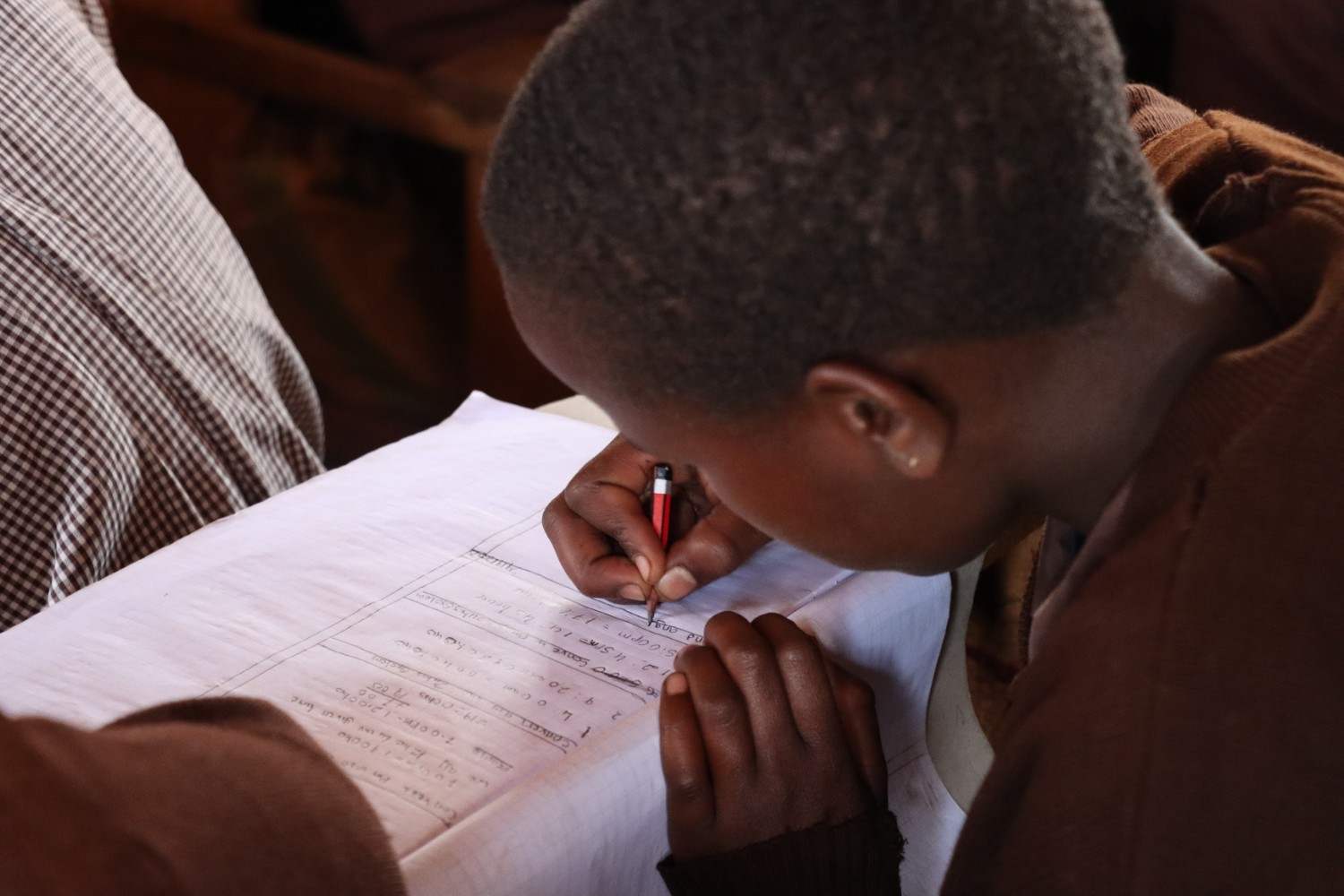
Recently, while scrolling through Instagram, I came across a post that stopped me mid-scroll. A teacher had asked learners to write about what they would do if they became president for just one day.
Some of the responses were shocking.
“I will take 8 million from the bank and hide it,” wrote one learner.
Another wrote:
“I will steal food, money and gold.”
One learner even included “hiding millions” on a list that also included helping the needy and lowering food prices.
I sat back in disbelief!
These are children.
I expected the usual innocent answers: helping the poor, buying sweets and toys, supporting parents, building homes, or making life better for others. The kind of responses that remind you children still believe deeply in goodness and possibility.
But what I read told a very different story.
These children do not see leadership as an opportunity to serve society. They see it as an opportunity for self-enrichment. A shortcut out of poverty through theft and power.
And that should concern all of us.
Children Are Reflecting What They See
The truth is, children do not form their values in isolation.
They absorb what they hear at home, what they watch in the news, what they see leaders doing, and what society normalizes around them.
When corruption becomes a daily headline, when public theft is joked about casually, when dishonesty appears rewarded rather than condemned, children notice.
And eventually, they internalize it.
That is why this conversation matters.
Because the crisis we are facing is not only economic or political. It is also moral.
Why Values Matter
This is exactly the gap that Mizizi Elimu Afrika is working to address.
One of the organization’s long-term goals is to ensure that by 2040, children across Africa have strong foundations built on literacy, numeracy, life skills, and values.
Because values are not a soft add-on to education.
They are the foundation upon which everything else is built.
Academic excellence without integrity, empathy, responsibility, or accountability creates societies that are educated but deeply broken.
That is why Mizizi Elimu Afrika is working alongside the education system, including through partnerships with the Kenya Institute of Curriculum Development (KICD) on Values-Based Education (VbE) in Kenya.
Part of this work includes developing resource and IEC materials that help teachers, caregivers, school leaders, and non-teaching staff integrate values into everyday learning experiences.
Because values cannot be taught only during assemblies or in one lesson a week.
They must be woven into daily interactions, classroom culture, leadership, relationships, and the examples adults set for children every day.
So Whose Responsibility Is It?
The answer is simple: all of us.
Character formation starts long before children enter formal classrooms.
At home, parents and caregivers shape values through everyday actions, conversations, discipline, and example. Children learn honesty, kindness, accountability, and respect not only from instruction, but from observation.
Teachers also play a critical role. Beyond academic instruction, they help create safe learning spaces where learners experience fairness, empathy, responsibility, and integrity in practice.
Schools, too, must intentionally create environments where values are lived and reinforced, not merely written on walls or recited during ceremonies.
And society matters just as much.
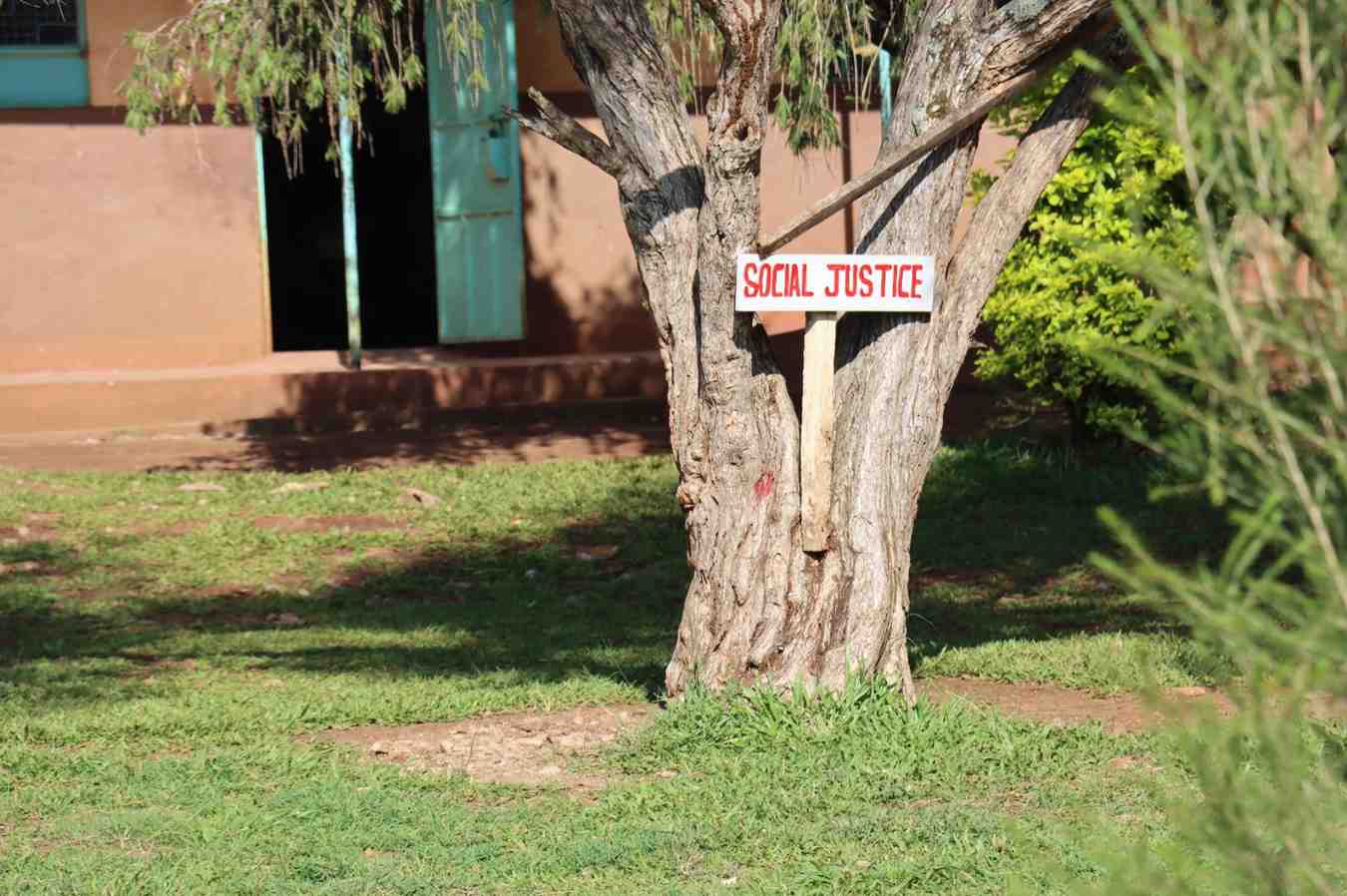
Chapter 10 of Kenya’s Constitution outlines national values centred around patriotism, participation, dignity, equality, integrity, accountability, and social justice. Yet children can only believe in these values when they see adults living them consistently.
As citizens, we all contribute to shaping the moral environment children grow up in — through our conversations, our behaviour online and offline, the leaders we celebrate, and the examples we choose to set.
The Hard Truth
Here is the uncomfortable truth:
Children are not the problem.
They are mirrors of our society.
When a child writes that they would steal millions if they became president, they are not necessarily being evil. They are reflecting what they have seen, heard, and absorbed from the world around them.
From news headlines.
From dinner table conversations.
From social media.
From adults who were supposed to show them something different.
My lecturer’s statement years ago may have been intended as a joke.
But somewhere, a child heard a version of that same joke and believed it.
Somewhere, a child watched corrupt leaders prosper and concluded that integrity does not matter.
Somewhere, a child grew up without seeing a single adult consistently model honesty, accountability, or service.
That is the real crisis.
But There Is Still Hope
What gives me hope is this: values can be taught.
Character can be shaped.
It is not too late.
But it requires intentional effort from all of us.
It requires parents who are exhausted after long days to still make time for conversations with their children.
It requires teachers who are under pressure to continue modelling integrity and compassion in their classrooms.
It requires leaders to remember that children are always watching.
The question my lecturer asked years ago was meant to provoke thought.
But perhaps the more important question today is this:
What kind of world are we building for our children, and what kind of children are we building for the world?
Because if we do not answer that question intentionally, children will answer it for us.
And based on some of the answers we are already seeing, we may not like the outcome.