Three months after the launch of Mizizi Elimu Afrika’s Vision 2040 Strategy and unveiling of our new brand identity, the evening still feels significant.
Not simply because of a new name or strategy, but because of what the moment represented: a renewed commitment to strengthening foundational learning systems across Africa so that children can truly learn, thrive, and imagine futures full of possibility.
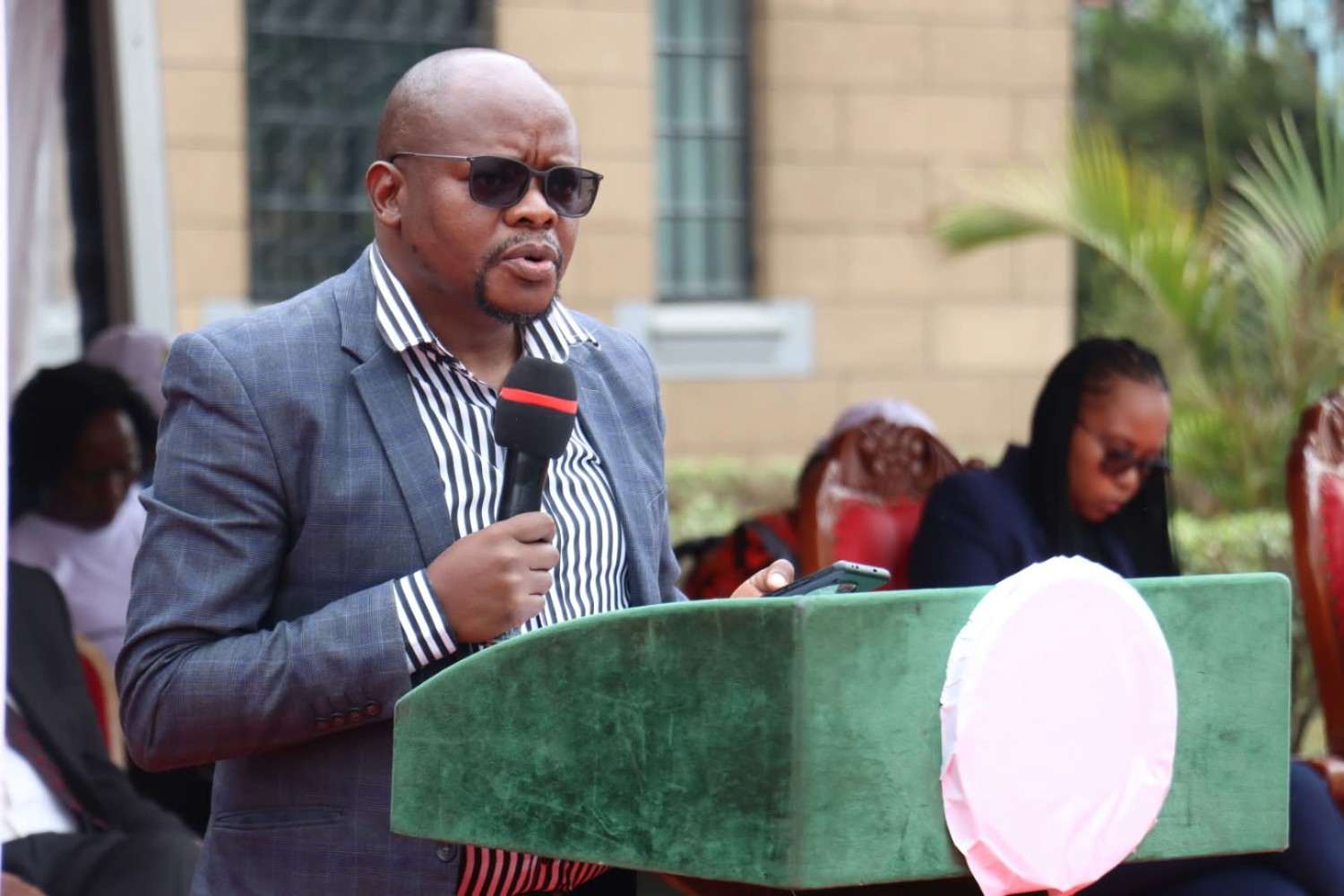
On March 10, 2026, leaders from government, academia, civil society, philanthropy, teacher training institutions, regional networks, and the private sector gathered at the Kenya Institute of Special Education (KISE) in Nairobi to mark this important transition.
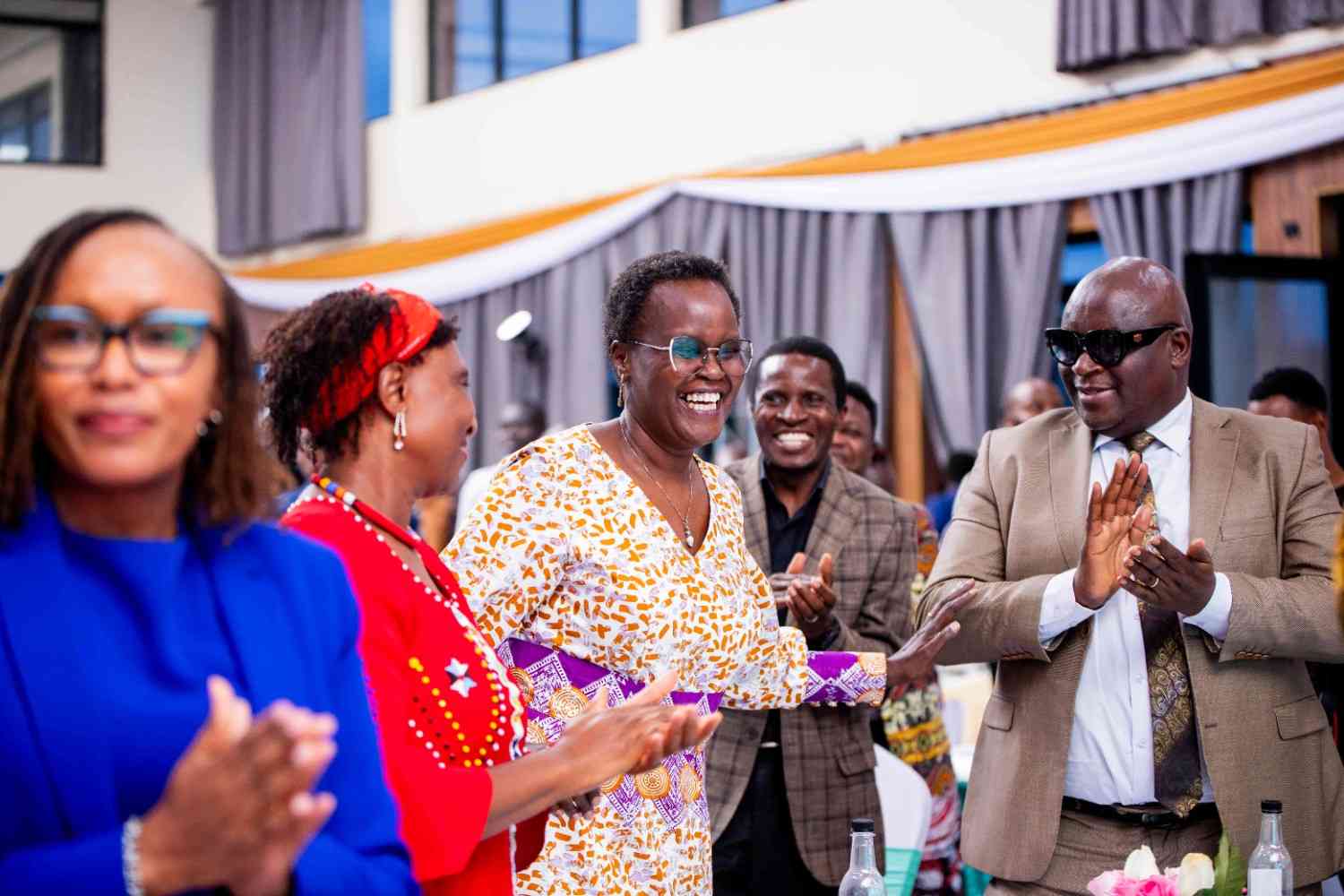
The launch brought together founders, long-serving staff, government representatives, researchers, educators, partners, and friends of the organization who have shaped and walked alongside this journey over the years. Through storytelling, reflection, music, and conversation, the evening became more than a celebration. It marked the beginning of a new chapter.
Why Mizizi?
For many years, the organization operated as Zizi Afrique Foundation, working alongside governments, schools, communities, and partners to strengthen foundational learning across Kenya and the region.
But as the work evolved, so did the vision.
The transition to Mizizi Elimu Afrika reflects a broader ambition: growing from a nationally anchored organisation into a regional ecosystem builder focused on long-term systems transformation in education across Africa.
The word Mizizi, meaning roots, reflects a simple but powerful belief: lasting change begins with strong foundations.
As Board Chairperson Dr. Kahaki Kimani shared during the launch:
“The word Mizizi – roots – reminds us that strong, enduring change begins with strong foundations.”
That idea shaped the entire evening.
One particularly memorable moment was a short animation of two children planting and nurturing a seed that slowly grew into a tree. The imagery captured what Mizizi believes deeply: meaningful change is not built through short-term projects, but through sustained investment in literacy, numeracy, life skills, values, relationships, and systems that support children to thrive.
What Vision 2040 Is Really About
At a time when many education systems across Africa continue grappling with learning poverty and widening inequities, Vision 2040 represents a long-term commitment to systems transformation rooted in African realities, partnerships, and evidence.
At the heart of the strategy is an ambitious goal: contributing to improved foundational learning outcomes for at least 10 million children and youth across Africa by 2040.
But Vision 2040 is not only about numbers.
It is about reimagining how education systems support children to learn, relate, and thrive.
The strategy focuses on four interconnected areas:
Strengthening Foundational Learning
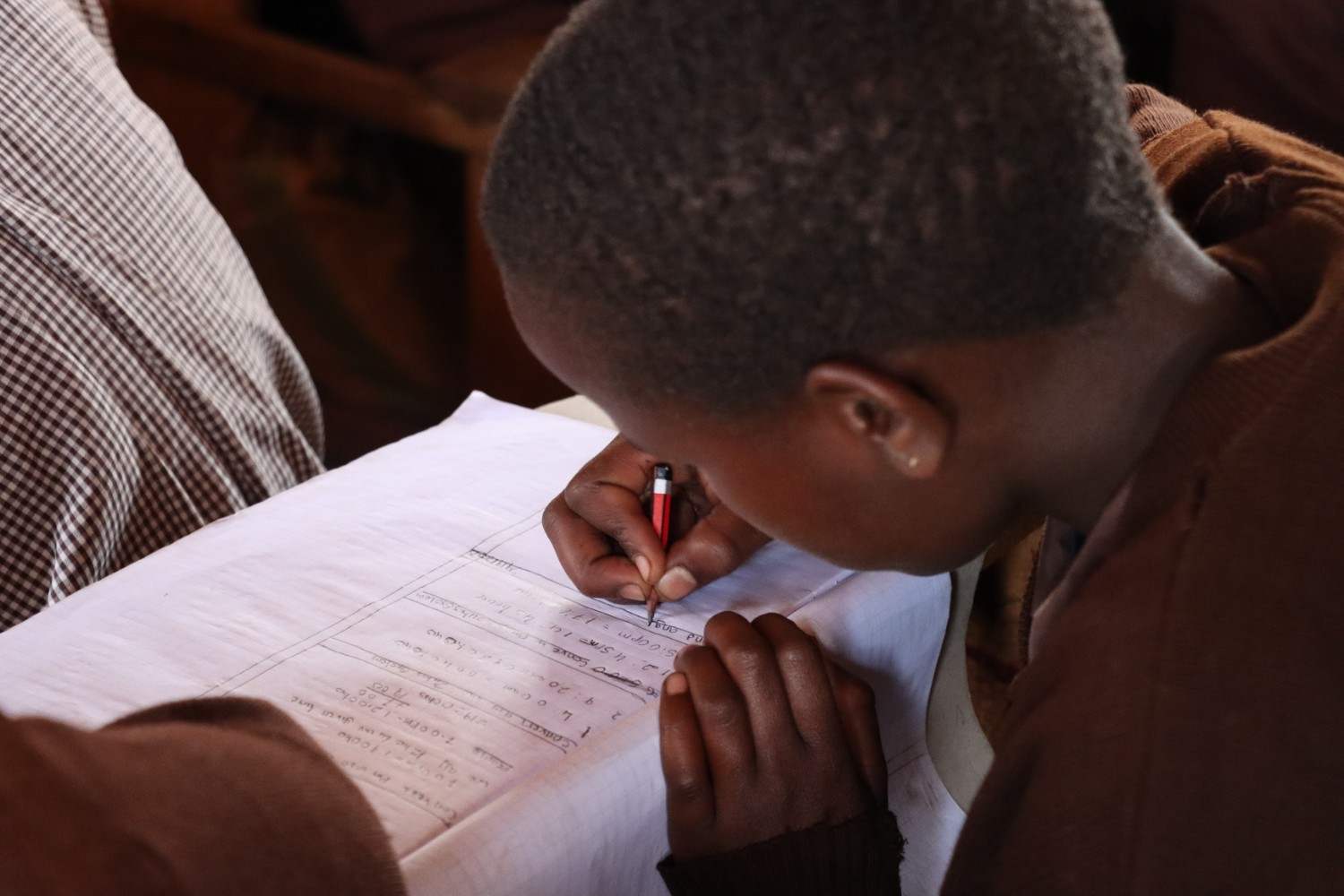
Mizizi Elimu Afrika will continue supporting literacy, numeracy, life skills, and values, recognizing that children need both academic and human capabilities to navigate school, work, and life.
As Virginia Ngindiru noted during the launch:
“Foundational learning is not just about decoding text or solving numbers, it is about building human capability.”
Strengthening Education Systems
The strategy places strong emphasis on improving the systems that shape learning outcomes, including teacher support, curriculum implementation, assessment, quality assurance, research, and government partnerships.
As Executive Director Dr. John Mugo emphasised:
“This transition is not cosmetic, it is strategic. We are moving from programmes to systems, from projects to long-term transformation.”
Building Partnerships and Collective Action
Vision 2040 recognizes that no single organization can solve the learning crisis alone.
Mizizi sees its role as bringing together governments, researchers, schools, communities, civil society organizations, and development partners to work collectively toward stronger foundational learning outcomes for children.
Throughout the evening, speakers repeatedly highlighted the importance of collaboration, regional learning, and shared accountability in creating sustainable change.
Advancing African-Led Solutions
The strategy also reflects a strong commitment to African leadership, locally grounded research, and solutions shaped by the realities of African education systems.
This message resonated strongly throughout the launch, with partners and education leaders emphasizing the need for sustainable change built from within Africa’s own institutions, expertise, and ecosystems.
A Shared Commitment to Children
One of the strongest messages throughout the evening was that foundational learning is not simply an education issue.
It is a societal issue.
When children leave school without strong foundations, the effects are felt far beyond classrooms, shaping opportunity, livelihoods, confidence, citizenship, and national development.
As reflected during the launch:
“When children are not learning, we must interrogate the system, not the child.”
That systems perspective now sits at the centre of Mizizi Elimu Afrika’s work moving forward.
The organization will continue working closely with governments, schools, teacher training institutions, researchers, regional networks, communities, and development partners to strengthen the systems shaping children’s learning experiences every day.
Looking Ahead
The launch also created space to honour the people who helped shape the organization's journey to this moment.
There were moving reflections from founders, long-serving staff, partners, and institutions that have walked alongside the organization over the years.
One particularly emotional moment came as the organization recognized the contribution of founding leader Dr. Sara Ruto, whose vision and leadership laid many of the foundations for what Mizizi Elimu Afrika is becoming today.
Two months later, the launch continues to serve as a reminder that transformation takes time.
Strong foundations are not built overnight.
But with partnership, evidence, collective action, and long-term thinking, it is possible to build education systems where children do more than simply attend school — they learn, grow, and thrive.
And that is the future Mizizi Elimu Afrika is working toward