What does it truly mean to assess learning, and why does it matter now more than ever?
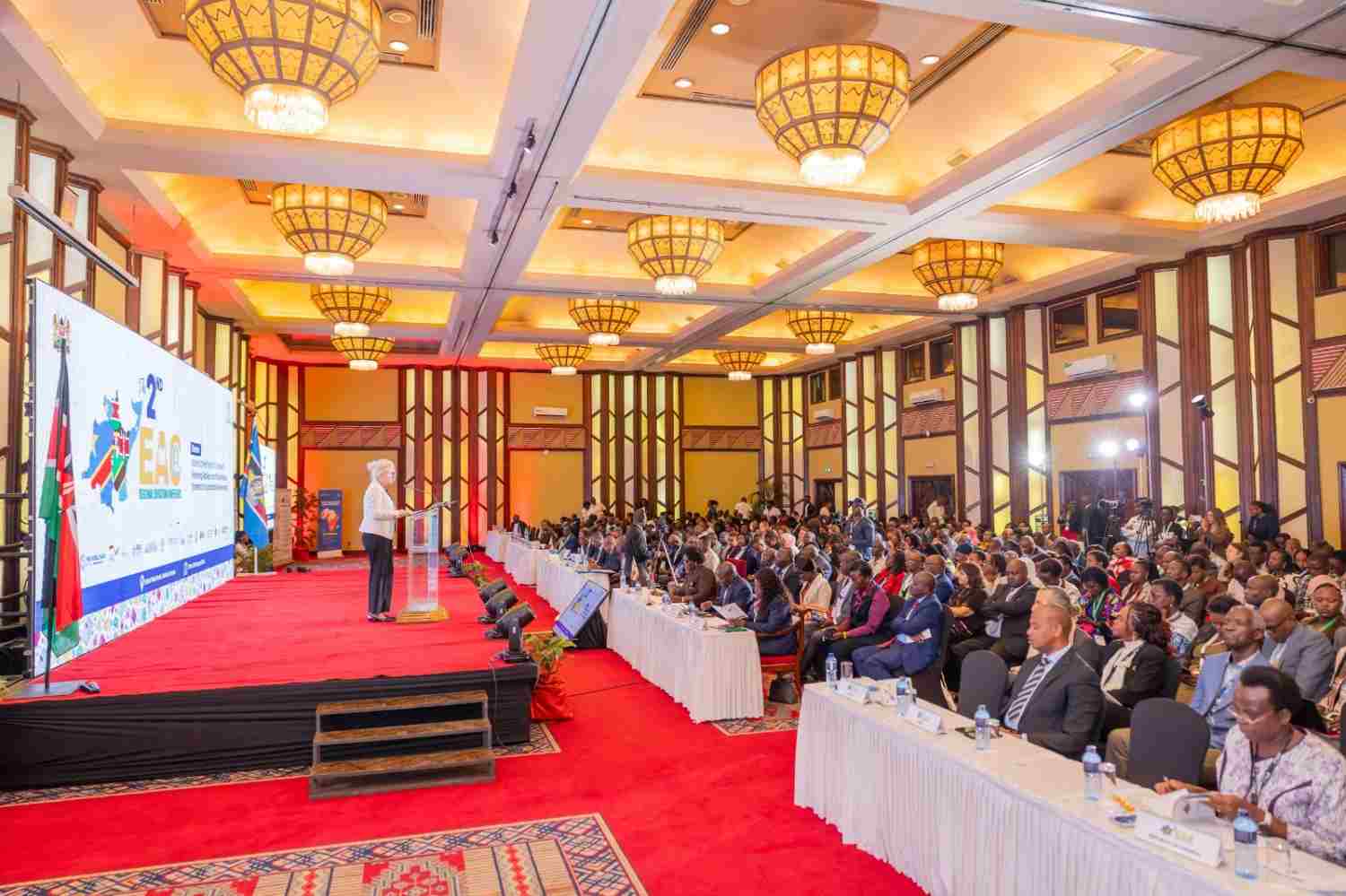
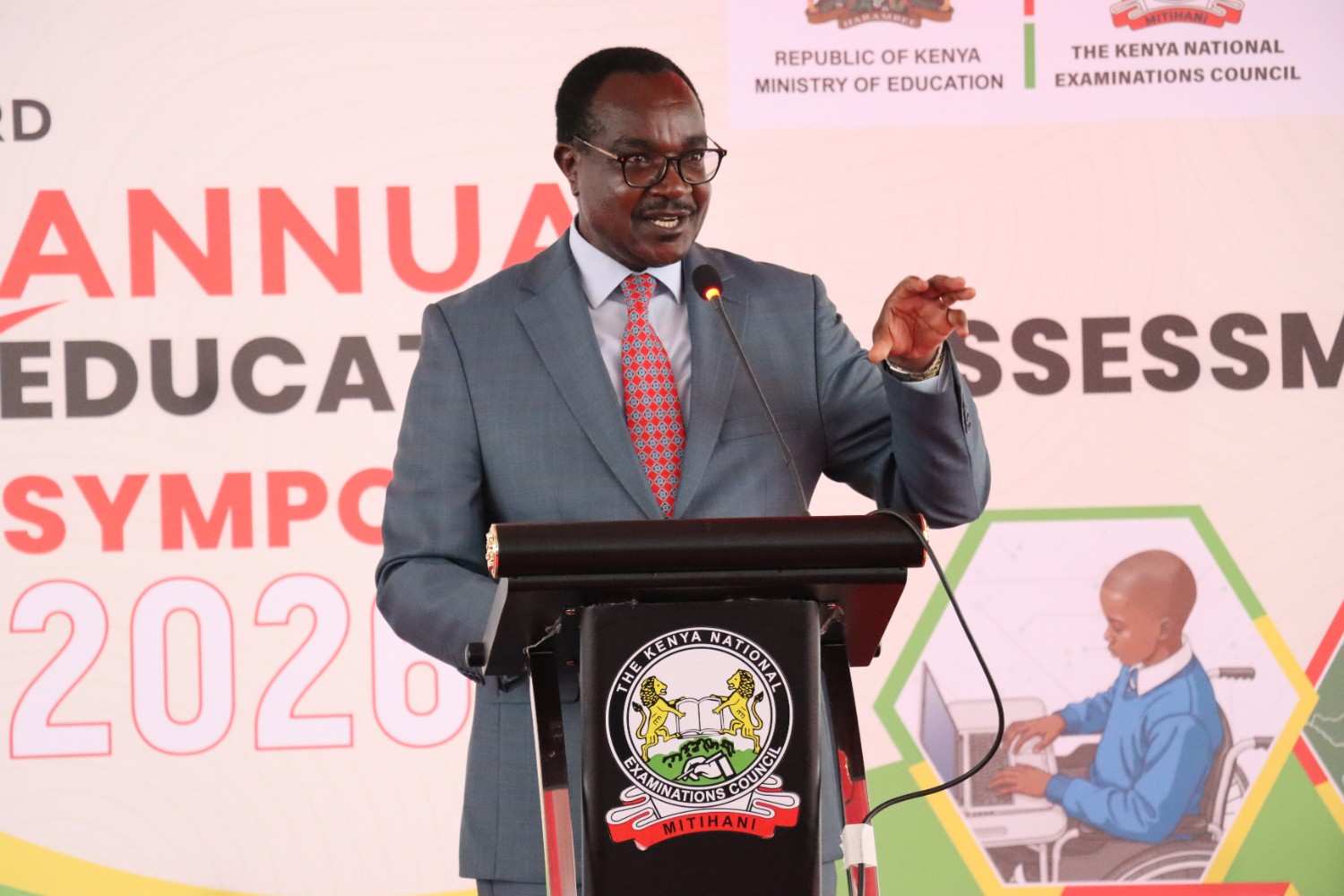
At the 3rd KNEC Annual Educational Assessment Symposium held in Nairobi, education leaders, policymakers, and practitioners from across Africa came together around a shared urgency, education systems must evolve to produce not just knowledgeable learners, but capable problem solvers.
Held under the theme “Reimagining Curriculum, Pedagogy and Assessment for Inclusive, Innovative and Future-ready Learning,” the symposium brought together participants from Uganda, South Africa, Zambia, Eswatini, and Ghana, highlighting both shared challenges and collective opportunities for reform.
Speaking during the official opening of the Symposium in Nairobi, Education cabinet Secretary Dr. Julius Migos Ogamba emphasised on the role that assessments play in Kenya’s transition to Competency Based Education.
Our Assessment Reforms in School and Teacher Education are critical pillars of the CBC transition. The reforms place the learner at the heart of the community and provide a system that recognizes not just acquisition of knowledge but critical thinking, problem solving, creativity and values. CBC aims to increase the number of people on the problem solving
Polycarp Otieno, Education specialist at UNICEF emphasized that assessments must make learning visible, actionable, and ultimately investible. His remarks reflected a broader realization that the value of assessment lies not just in collecting data, but in how that data is interpreted and applied. Kenya, he noted, is already generating substantial assessment data through national systems, but the real opportunity lies in whether teachers can meaningfully use this information to improve classroom practice and learning outcomes.
Assessment is no longer about measuring learning, it’s also about making learning visible, actionable and ultimately investible.
The symposium also exposed a long-standing gap between knowledge acquisition and practical application. Dan Odongo of the Uganda National Examinations Board observed that education systems have historically produced graduates who are adept at describing societal challenges but far less capable of solving them. This critique resonated across the discussions, reinforcing the urgent need for assessments that go beyond rote memorization to evaluate critical thinking, creativity, innovation, and real-world problem-solving abilities.
Echoing this perspective, Tom Potter of the British Council underscored that assessment is not an end point but a driver that shapes teaching itself. When assessment focuses on meaningful competencies, it inevitably influences how teachers teach and how students learn.
Assessment is not an end point, it’s a driver, it shapes teaching
This alignment is particularly important as countries like Kenya continue to implement Competency-Based Education, a model designed to prioritize skills and competencies over content memorization.
A strong emphasis was also placed on the need for contextualized assessment frameworks. Participants cautioned against adopting one-size-fits-all models, advocating instead for systems that reflect the diverse realities of different countries. This approach ensures that assessments remain relevant and meaningful while still allowing for regional collaboration and shared learning. The presence of multiple countries at the symposium highlighted both the common challenges facing education systems and the opportunity to learn from one another in developing more effective frameworks.
Beyond the classroom, assessment was framed as a critical tool for policy and economic decision-making. Otieno stressed the importance of linking assessment data to how resources are allocated across countries, schools, and programs.
We need to connect Assessment data with economic and decision making because the learning crisis is not only an educational issue but also interpreted as an economic issue. When Children do not learn, productivity is reduced, lifetime earnings are declined and Countries face long-term constraint growth.
The discussions also drew a direct connection between learning outcomes and economic growth. Poor learning was described not just as an educational issue, but as a broader economic challenge with long-term consequences. When children fail to acquire foundational skills, productivity declines, lifetime earnings are reduced, and countries face constrained growth. In this context, strong assessment systems provide the evidence needed to prioritize foundational learning and ensure that investments in education yield tangible returns. This perspective reframes education from being seen primarily as a social good to being recognized as a key driver of economic development.
The 3rd KNEC Symposium brought together a diverse ecosystem, government agencies, educators, researchers, and development partners, all aligned around a shared goal of building education systems that deliver meaningful learning outcomes.
For organizations like Mizizi Elimu Afrika, the message is clear:
Strengthening foundational learning requires assessment systems that do more than measure progress, they must drive improvement, inform policy, and enable every learner to thrive.