In August 2025, while visiting a school in Sobral, Brazil, I came across a term that stayed with me: pedagogy of presence. It struck me deeply because it gave language to something many educators have long known, practiced, or witnessed without always naming it clearly.
In earlier years, we often referred to this as the hidden curriculum, the understanding that beyond formal lessons, children learn values, attitudes, habits, confidence, resilience, and ways of relating to others. They absorb what is modelled around them. They internalize what adults make visible, acceptable, joyful, and worthy.
I promised myself then that I would write about it. But like many good intentions, the idea slipped away.
Then, as if returning to demand my attention, the concept resurfaced during the Foundational Learning Conference when the CEO of KNEC raised concerns about why expected competency levels in early years education remain unmet. His question was simple, yet piercing: Are children present? And if they are present, are the teachers present?
That question took me back to Sobral.
It made me reflect not only on physical attendance, but on the deeper meaning of presence in enabling the learning outcomes we so urgently desire. What does it mean for a learner to be truly present? What does it mean for a teacher to be fully present? And what does this mean for pedagogy, classroom practice, and the methods through which children acquire knowledge, develop skills, and build proficiency in literacy and numeracy?
Why this matters in the foundational years
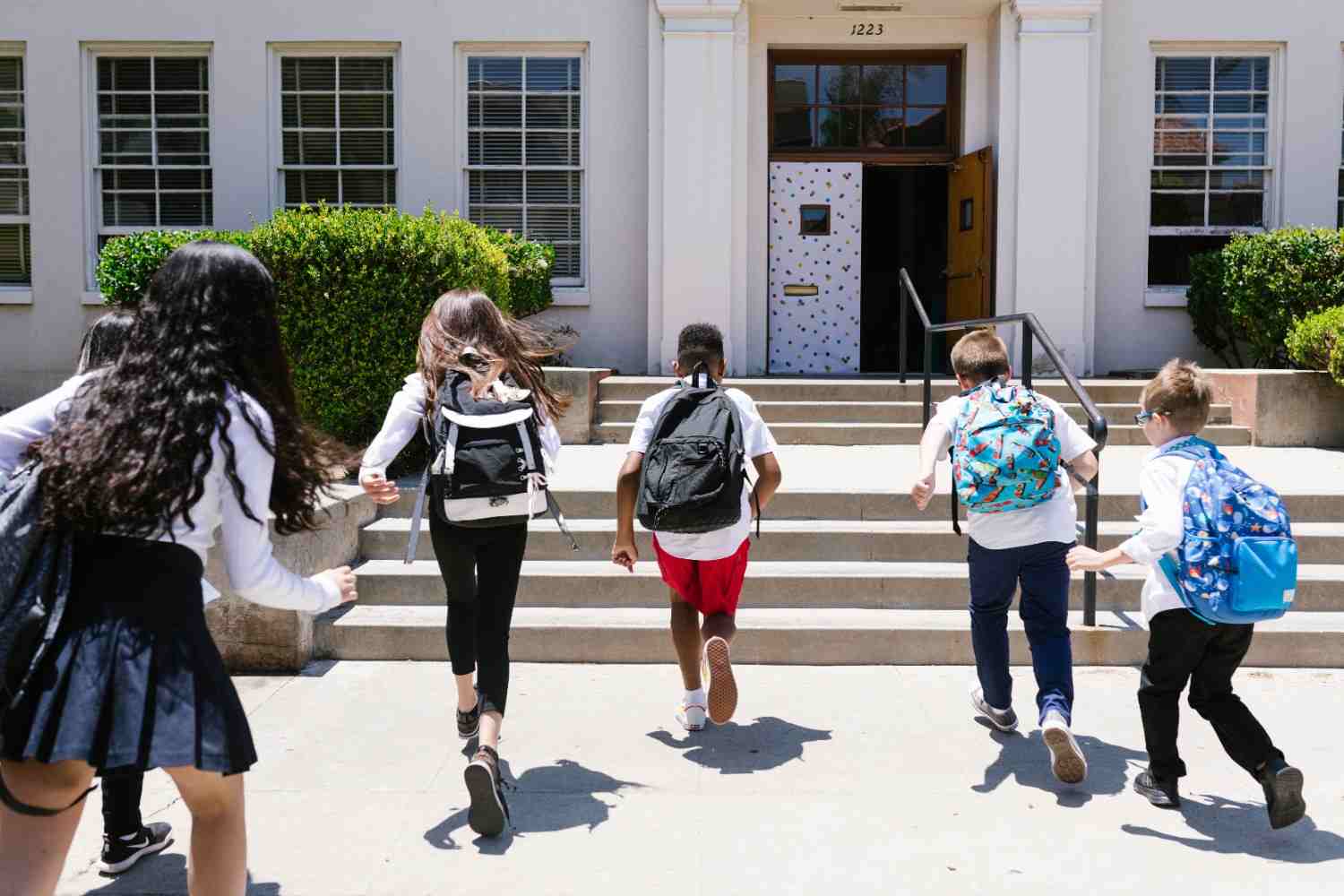
The early years are not simply the beginning of schooling. They are the years in which children form their first relationship with learning itself. This is the stage when they begin making sense of language, symbols, routines, relationships, and themselves as learners.
In these years, pedagogy cannot be reduced to content delivery alone. It must also be relational, attentive, responsive, and emotionally supportive.
Training materials on pedagogy of presence describe it as an approach that strengthens relationships, safety, curiosity, and children’s emotional and cognitive development. Key dimensions include physical presence, emotional connectedness, joy, intentional preparation, and relational availability.
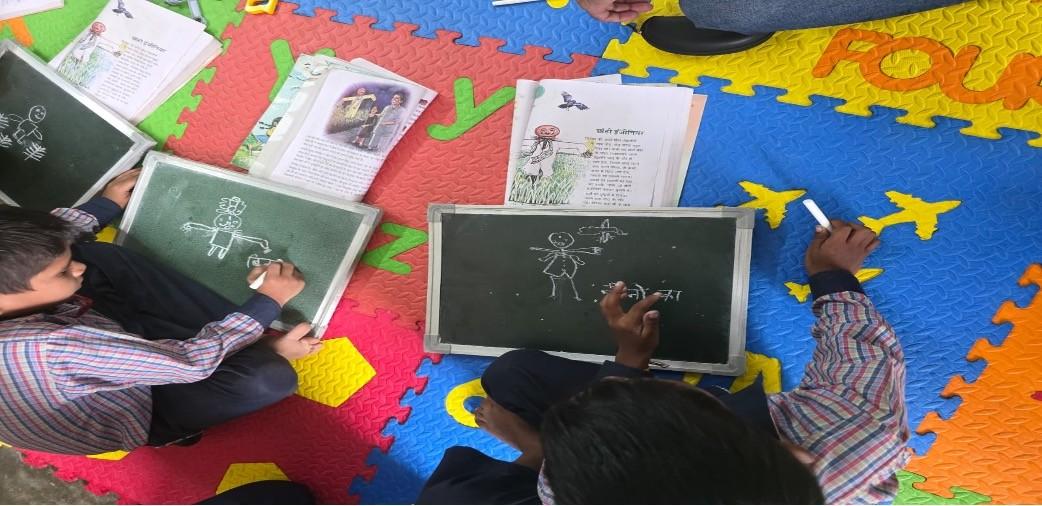
This understanding is especially important when we think about foundational literacy. Children do not learn to read, speak, listen, and express themselves only through exposure to curriculum content. They learn through interaction. They learn by being listened to, guided, encouraged, corrected with warmth, and drawn into meaning-making by adults who are fully present.
A present teacher
A present teacher notices the quiet child and the anxious one. They recognize when a learner is struggling with a sound, a word, an instruction, or the meaning of a story. They know who needs reassurance, extra time, another example, or a gentle prompt.
That kind of presence enables teachers to respond in the moment and often, that responsiveness is what makes learning joyful, meaningful, and possible.
Pedagogy of presence is not a soft idea
The pedagogy of presence should not be dismissed as a “soft” idea concerned only with kindness or classroom mood. It is central to how learning happens.
Evidence on pedagogy of presence points to simple yet powerful practices: maintaining eye-level interactions, responding calmly, showing empathy, creating joy through songs and routines, preparing learning materials in advance, and remaining relationally available beyond formal instruction.
These actions may appear small, but in the life of a young child, they are significant. A teacher kneeling beside a child struggling with a puzzle, warmly greeting learners in the morning, or comforting one during separation is doing more than managing behaviour. That teacher is creating the emotional safety and trust that support learning.
Where the hidden curriculum comes alive
Children are always learning more than what is written in the lesson plan.
They are learning whether school is a safe place. They are learning whether their voices matter. They are learning whether mistakes are shameful or part of growth. They are learning whether adults are attentive, respectful, and fair. They are learning whether joy belongs in learning.
These are not peripheral outcomes. They shape motivation, participation, confidence, and persistence in learning. In the foundational years, this hidden curriculum may be just as influential as the formal one.
Yet presence alone is not enough.
If we are to improve foundational literacy and numeracy outcomes, presence must be tied to sound pedagogy. The question is not only whether teachers are present, but also how they use their presence to support understanding, concept development, and proficiency.
Good pedagogy involves the methods and practices that help learners make meaning. It is about how teachers break down content, use examples, provide feedback, scaffold understanding, differentiate support, and assess progress.
This reminds us that improving foundational learning is not a matter of choosing between structure and relationship. Children need both. They need intentional teaching, and they need present teachers. They need routines and learning materials, but they also need warmth, attunement, encouragement, and emotional safety.
Presence is also a systems issue
The broader education system must also make this possible.
Present and effective teaching thrives where teachers themselves are supported. Evidence continues to highlight the importance of strengthening pedagogy, improving lesson delivery, supporting classroom assessment, helping teachers break content into manageable and achievable learning steps, and strengthening transition support in the early years.
Middle-tier support systems, teacher professional development, instructional coaching, communities of practice, and supportive school leadership all matter.
Headteachers, curriculum support officers, and quality assurance officers must not only conduct classroom observations but also provide practical and constructive support to teachers. By doing so, they strengthen teacher confidence and enable the pedagogy of presence to thrive in classrooms.
What are we measuring?
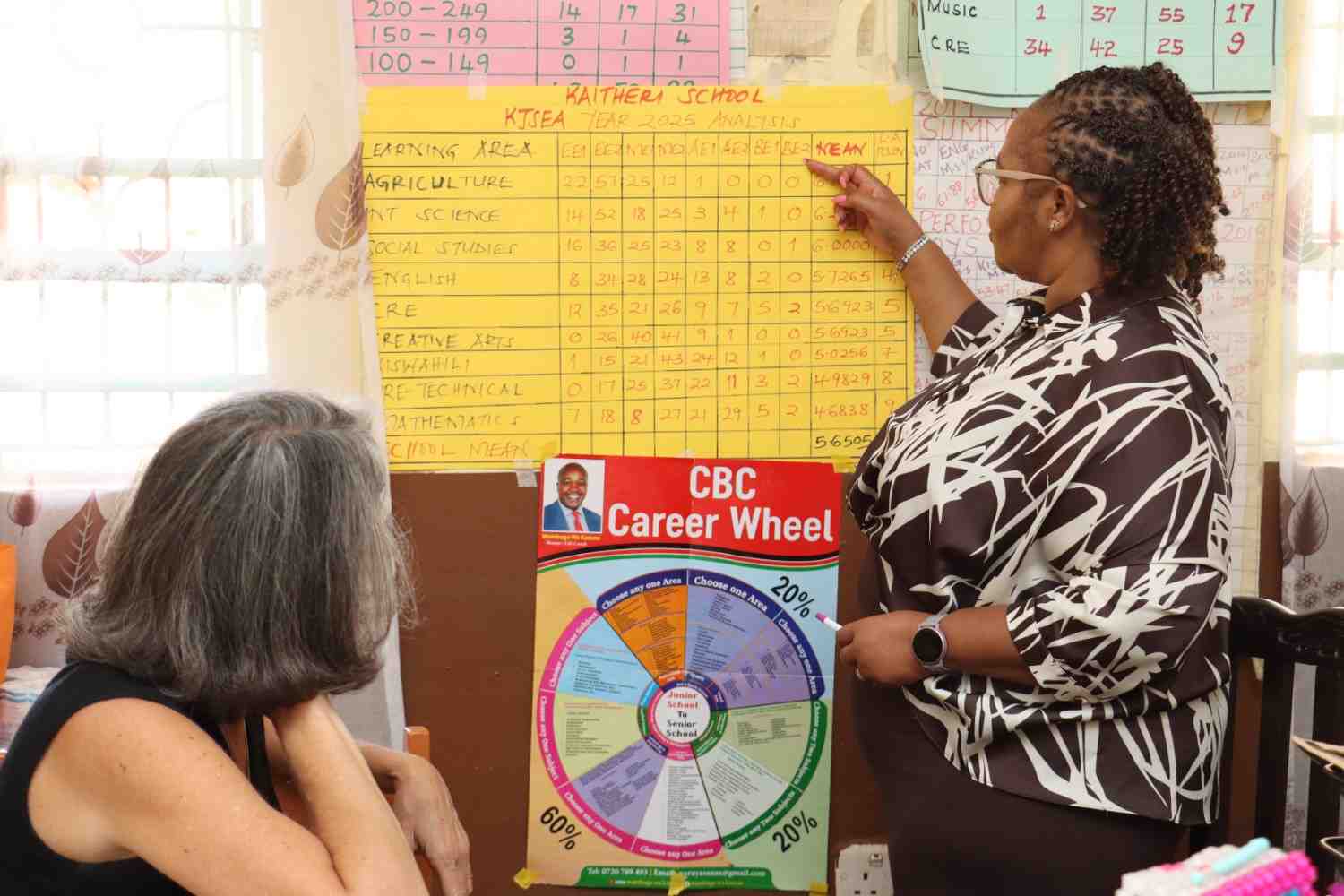
One reason learning outcomes remain uneven may be that education systems often prioritize what is easiest to measure, while overlooking the relational conditions that make learning possible.
We count enrolment, attendance, books delivered, and sometimes test scores. But do we pay enough attention to the quality of presence in classrooms? Do we observe whether children are emotionally engaged? Whether teachers are relationally available? Whether classrooms invite curiosity, confidence, and joy? Whether pedagogy helps children truly understand rather than merely repeat?
In the foundational years, these are not secondary questions. They are foundational questions.
Pedagogy of presence reminds us that learning begins in relationship. It reminds us that the teacher is not only a transmitter of knowledge, but also a guide, encourager, model, and co-regulator of the learning environment.
Children thrive when they feel seen, valued, involved, and supported.
Taking presence seriously
If we want stronger foundations in learning, then we must take presence seriously. We must prepare teachers not only in content and methods, but also in relational practice. We must support schools to create joyful, responsive, and emotionally safe learning environments. We must strengthen coaching, assessment, transition support, and local systems that help teachers succeed.
Most importantly, we must recognize that in the foundational years, how children are taught cannot be separated from how they are held in the learning process.
My encounter with the term in Sobral gave language to something I had long sensed. The question raised at the Foundational Learning Conference brought back, with urgency, the importance of presence in learning.
Presence is not accidental. It is pedagogical.
It shapes what children learn, how they learn, and who they become as learners.
And perhaps, in the foundational years, presence is one of the most important things we cannot afford to ignore.