Graduate Associates are not only learning research skills, they are becoming catalysts for research excellence across Kenyan universities.
Mizizi Elimu Afrika’s (Mizizi) collaboration with Meru University of Science and Technology (MUST) shows how strategic partnerships can strengthen postgraduate research. The partnership gives graduate students the chance to learn from experienced researchers and equips them to become trainers themselves.
Peer-to-Peer Learning
On12 May 2026, Mizizi and MUST hosted the Peer-to-Peer Research Workshop, which covered research conceptualisation, problem articulation, literature review, methodology, academic writing, reference management with Zotero, and scholarly collaboration.
Strengthening Doctoral Supervision
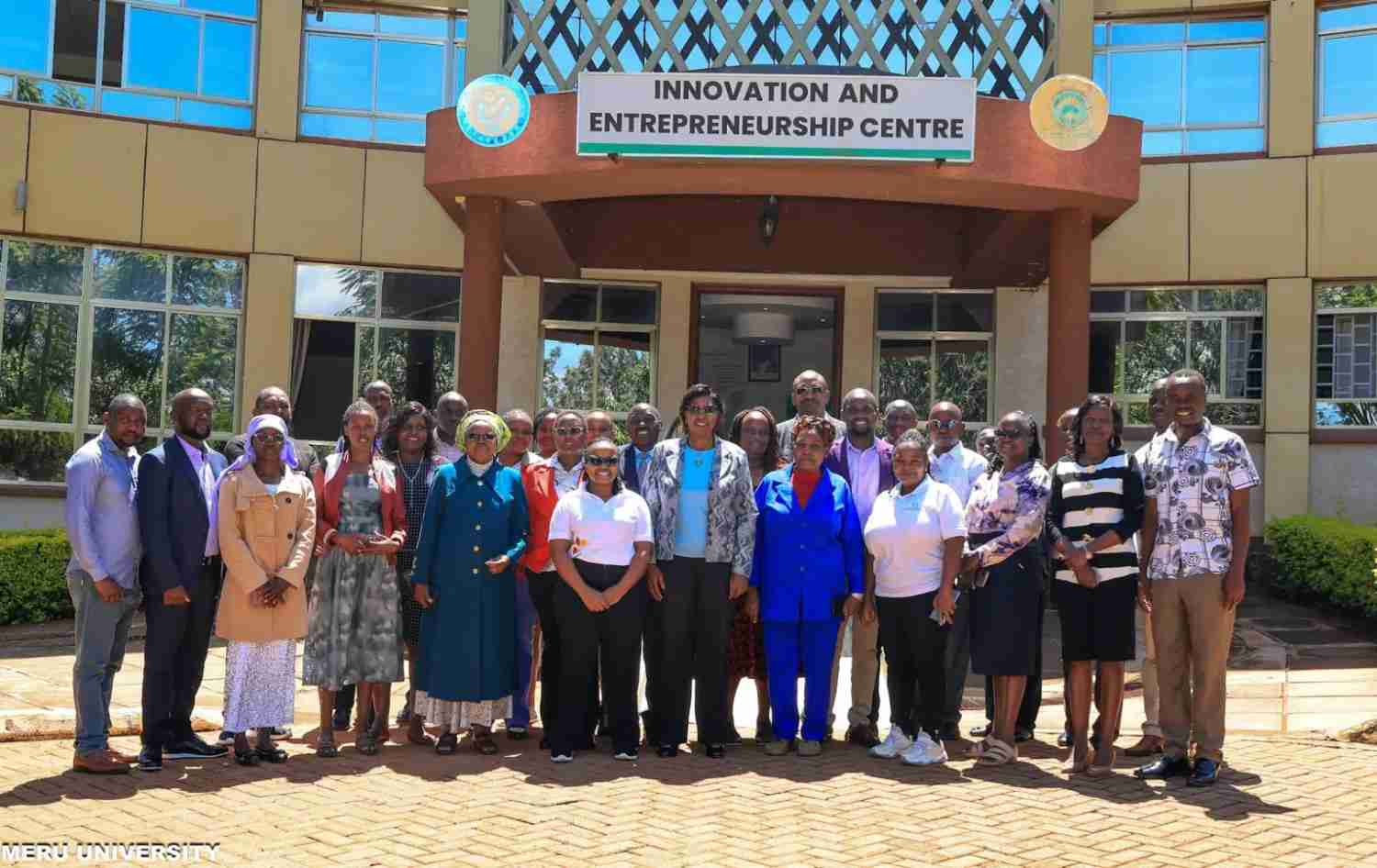
Building on the 2025 Graduate Students and Supervisors Workshop organised by Mizizi, Prof Hilda Omae, who took part and spoke at that workshop, and Dr Paul Huka Kalla convened a catch-up meeting on 19 July 2026 at Meru Slopes Hotel to strengthen supervision, accountability and doctoral completion. The meeting allowed doctoral students to reflect on their research progress, receive mentorship and strengthen communication with their supervisors.
One practical exercise asked students to explain their research in simple, everyday language, a skill that helps researchers communicate their work beyond academic audiences.
Graduate Associates Giving Back
Isaac Baariu and Florence Nyagah, Graduate Associates at Mizizi, shared practical Zotero skills during both programmes, cascading what they had learnt at the Peer-to-Peer Workshop. They demonstrated how to organise literature, generate citations, maintain accurate references and improve research productivity. Participants reported that the practical demonstrations enabled them to:
Organise research literature more efficiently.
Conduct systematic literature reviews with greater confidence.
Apply APA citation and referencing accurately.
Manage references automatically using Zotero.
Improve the quality and organisation of their theses.
By sharing their knowledge with fellow graduate students, the Graduate Associates are becoming multipliers of research excellence rather than one-time beneficiaries of training, the heart of Mizizi’s approach.
Responding to Emerging Research Needs
While participants reported significant improvement in research conceptualisation, literature review, referencing and scholarly communication, one capacity gap emerged consistently.
Many postgraduate students identified data analysis using SPSS as the next area where they need support.
Participants recommended that future capacity-building programmes equip researchers with practical skills in:
SPSS data management and analysis.
Descriptive and inferential statistics.
Regression and correlation analysis.
Interpretation and presentation of quantitative findings.
Reporting statistical results for theses and journal publications.
Addressing this need would further strengthen postgraduate researchers’ ability to produce rigorous, evidence-based research.
Learning Together, Growing Together
The Meru University experience illustrates Mizizi’s model:
Train → Mentor → Share → Multiply Impact.
Graduate Associates cascade newly acquired knowledge to fellow postgraduate students, strengthening research culture across universities. The evidence is already encouraging:
More than 14 postgraduate students have defended their proposals since the Peer-to-Peer Workshop.
Research problem identification has become easier for many participants.
Nearly 80% of doctoral students at the July catch-up meeting confidently explained their research in simple language.
Graduate Associates are now training fellow students in Zotero, APA referencing and systematic literature review techniques.
These outcomes show that investing in researchers creates a ripple effect: strengthening individual scholars, enriching universities and contributing to a more vibrant research culture in Kenya.
As Mizizi Elimu Afrika continues to expand its partnerships, the Meru University experience shows how strategic collaboration can strengthen postgraduate education and support the next generation of African researchers.