The first quarter of 2026 reflected a growing shift from government participation to government co-leadership in foundational learning reforms across the region.
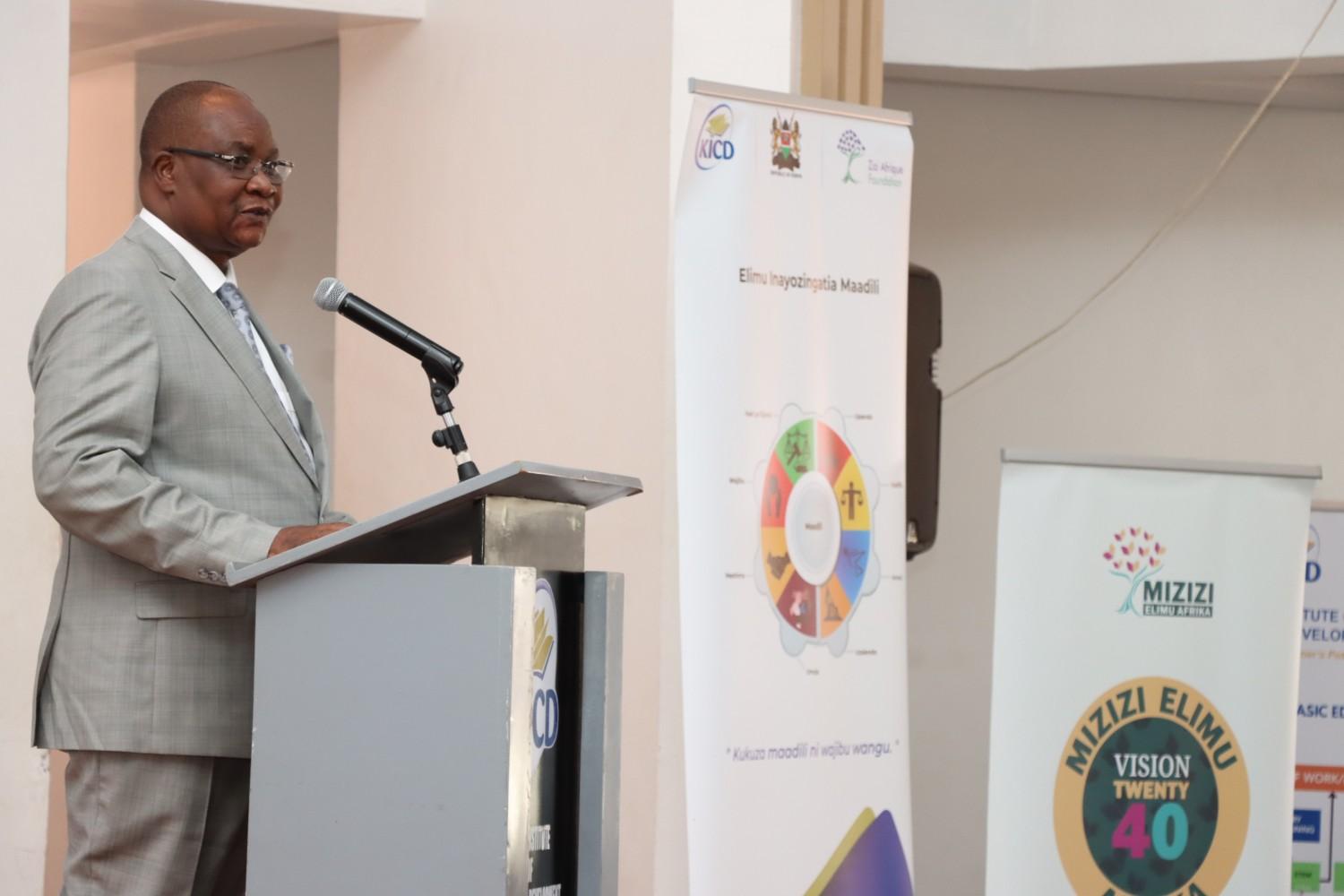
In Kenya, the Kenya Institute of Curriculum Development (KICD) appointed a technical lead for Numeracy at Scale, while CEMASTEA committed to host the initiative, strengthening institutional ownership and signaling deeper government commitment to foundational learning reform.
Engagements with national and county governments also strengthened coordination around early childhood development, budgeting, and system reform processes.
In mainland Tanzania, government actors led review and validation processes for the National Curriculum Framework, helping align reforms with competency-based education priorities.
Meanwhile, in Uganda, integration of the Ministry of Gender, Labour and Social Development into the ALiVE National Advisory Committee strengthened policy engagement around parent and caregiver participation.
In Zanzibar, increased involvement of the Zanzibar Examinations Council in assessment processes reflected a gradual transition from externally driven support toward stronger local institutional leadership.
These developments underscore a growing recognition that sustainable reform requires government systems not only to participate in initiatives, but to lead, institutionalize, and sustain them.