Who We Are

Mizizi Elimu Afrika is an African-led organisation working to ensure all children and youth have the foundations they need to learn, relate and thrive.
We focus on what matters most when foundations are formed; literacy, numeracy, life skills and values. These roots shape confidence, participation and opportunity throughout life. We exist to change the conditions that leave children behind: how learning is defined, supported, assessed and resourced,at scale.
OUR STORY
Our vision is that all children and youth in Africa have the foundation to learn, relate and thrive.
The question that changed everything
In the early 2010s, Dr. John Mugo worked with Uwezo, a citizen-led learning assessment that asked one simple public question each year:
"Are our children learning?"
The answers were uncomfortable.
More children were enrolling in school but too many were not learning. Gaps in reading and numeracy followed lines of poverty, language, geography, disability and gender.
From evidence to action
In 2017, Zizi Afrique Foundation was established to confront this reality, not by working around systems, but by strengthening them from within.
The focus was clear: foundational skills and values, because these roots determine whether children thrive in school, work and life.
Becoming an ecosystem builder
Between 2021 and 2025, we evolved from a national NGO into a regional thought leader. Deepening our evidence base, supporting government-led reform and building partnerships reaching millions of learners.
Mizizi Elimu Afrika
As we step into Vision 2040, we evolve our identity to Mizizi Elimu Afrika.
Mizizi means roots or foundations.
Elimu Afrika speaks to education across the continent.
Together, they reflect who we are: grounded in African realities, guided by evidence and committed to ensuring every child learns and thrives.
Our Mission
We collaborate with those closest to children, and youth to shift mindsets, improve learning experiences, strengthen relationships, use evidence, and influence policies and resourcing to ensure that children furthest behind have the foundation to learn, relate, and thrive.
Our Target Age Group
We work across the 0–25 development pathway, with a clear strategic anchor:
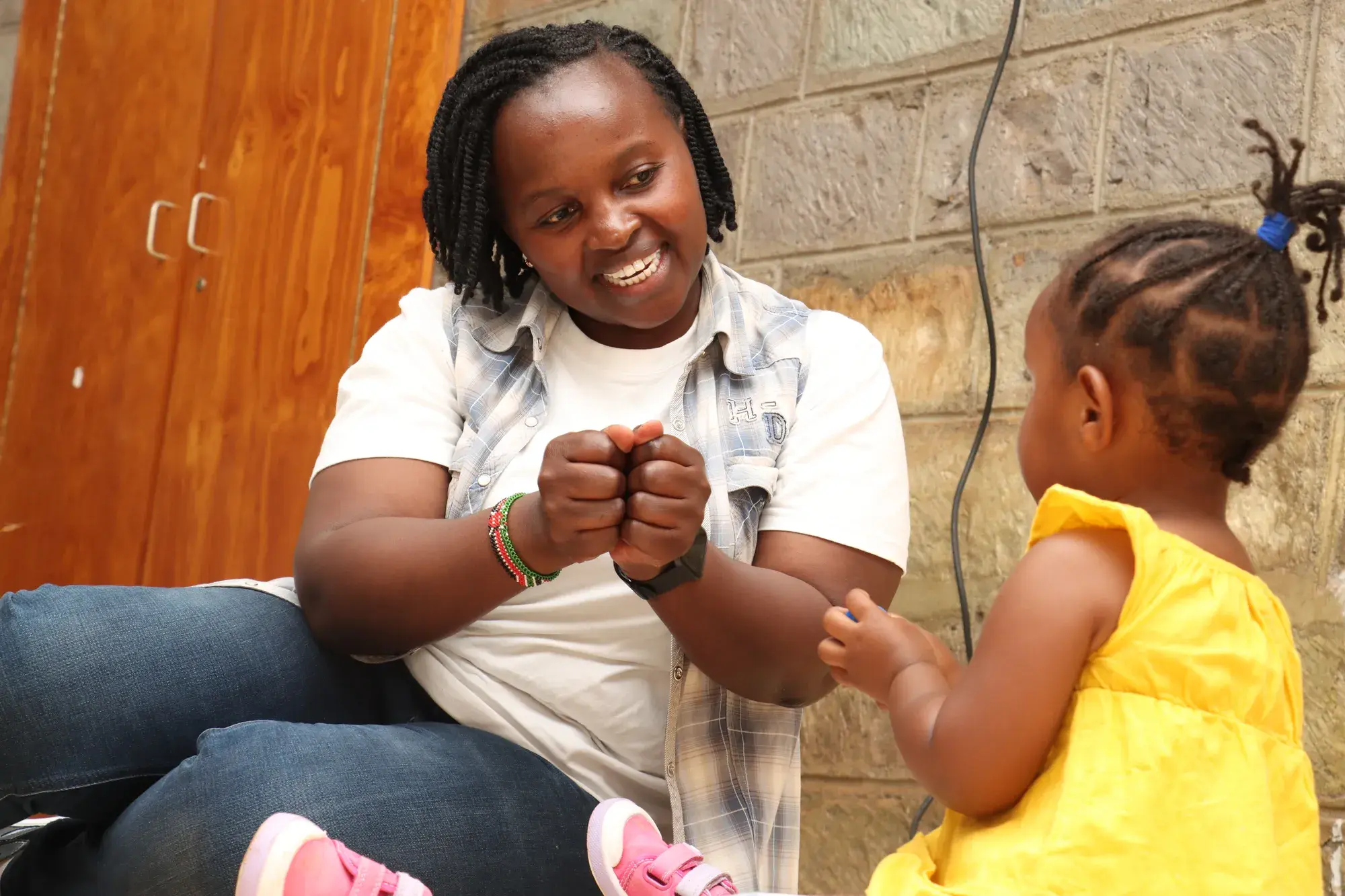
0–3 years:
Early foundations for learning and wellbeing
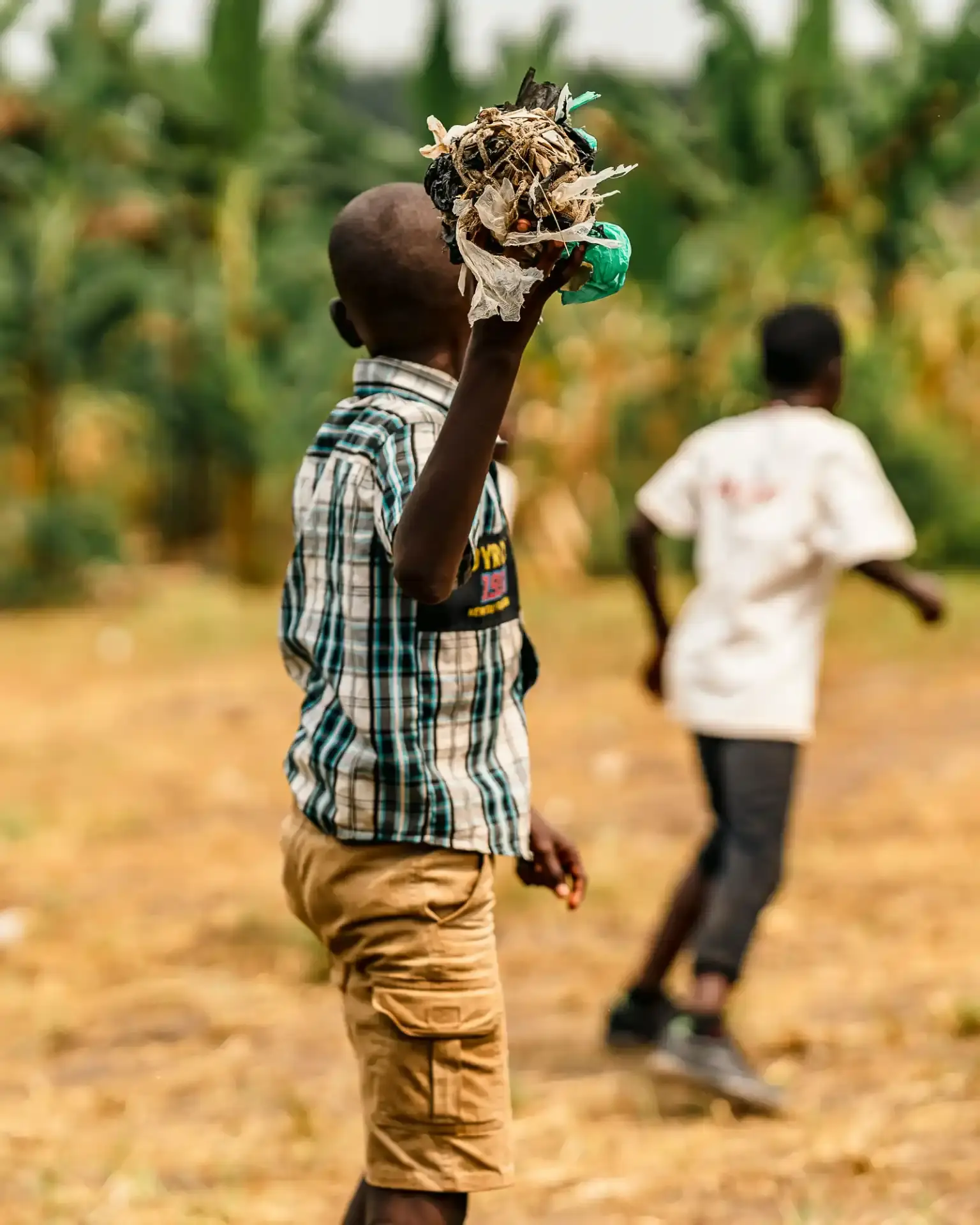
4–12 years:
(Strategic Anchor)
Core years for foundational skills development

13–25 years:
Strengthening youth agency and supporting transitions to life and work
Our Values
Ubuntu
Learning and change are collective. We lead with humanity, interdependence and shared responsibility.
Curiosity
We ask hard questions, learn continuously and remain open to evidence and lived experience.
Safety
We prioritise physical, emotional and psychological safety. Safeguarding is non-negotiable.

Accountability
We steward trust and resources with integrity, measure what matters and follow through.
Diversity
We value difference across identity, language and context and work to ensure systems serve those furthest behind.

Our Guiding Principles
Social justice guides everything we do. We challenge inequity, prioritise those furthest behind, champion gender and language justice, treat education as a public good and human right, build relational and power-aware partnerships, stay accountable to communities, and learn adaptively as systems shift.
These principles shape how we act, who we stand with, and what kind of change we pursue.
Social Justice
Social justice guides everything we do. We work to challenge the root causes of inequity and exclusion so that all children, regardless of circumstance, can access their rights, realise their potential and contribute to a fairer society.
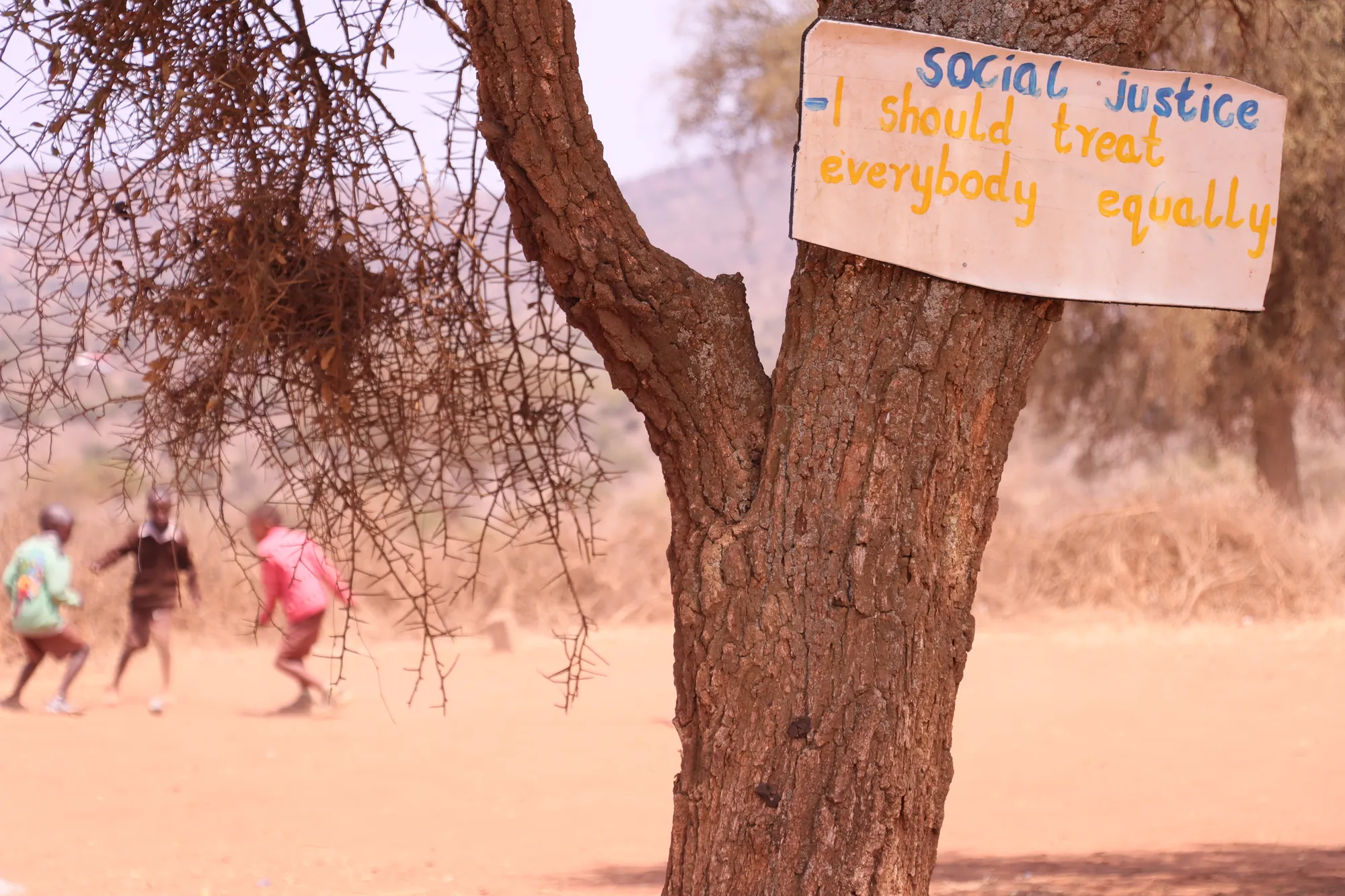
Equity, Gender Justice, Language Justice and Inclusion for All
We prioritise children and communities furthest behind in learning, recognising that when systems work for them, they work better for everyone. We champion gender and language justice, amplify underrepresented voices, and embed equity into how we learn, measure and lead.
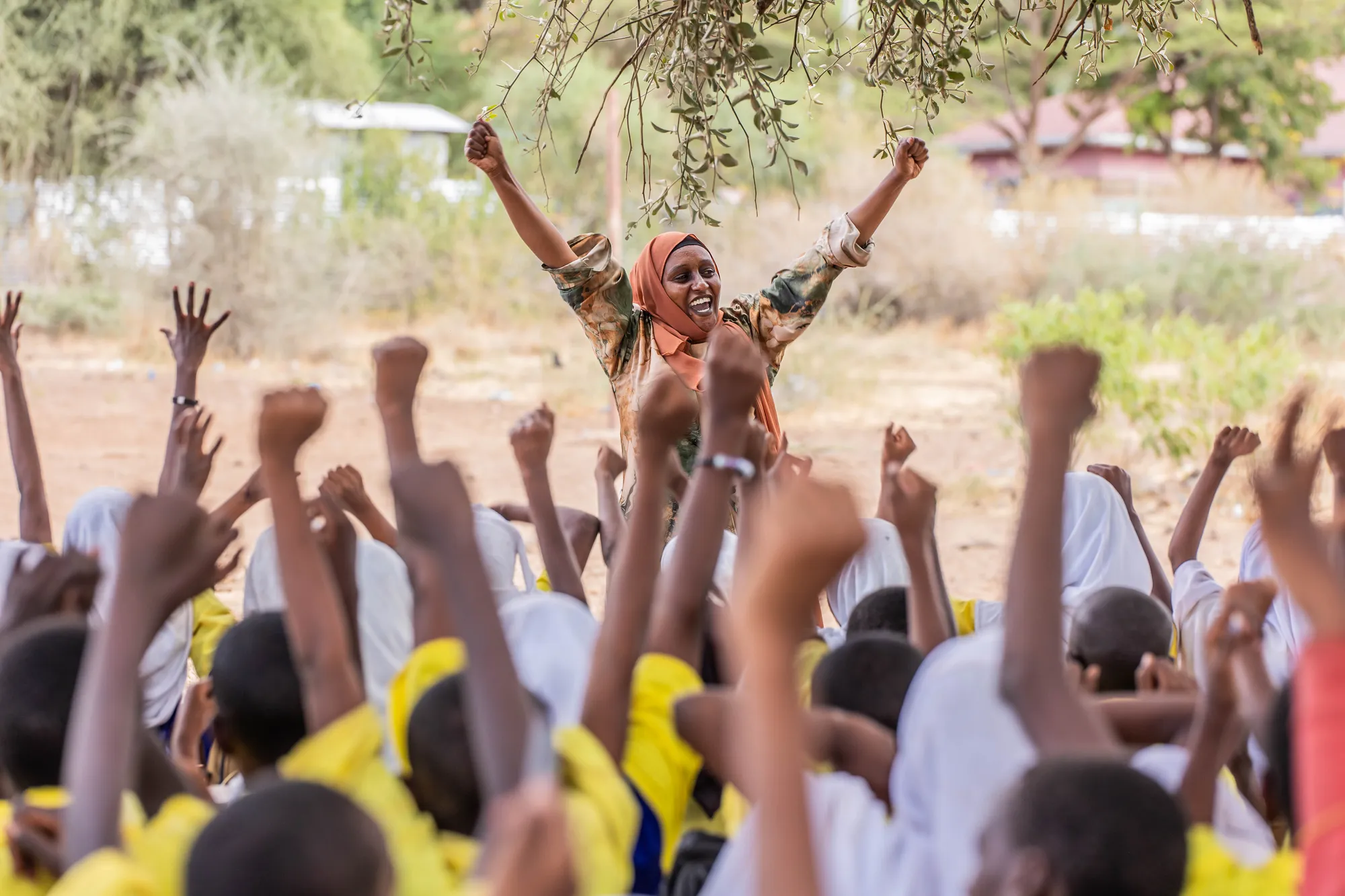
Education as a Public Good
Education is a human right and a shared responsibility. We focus on strengthening public education systems so they can serve today's learners and future generations with dignity, quality and care.
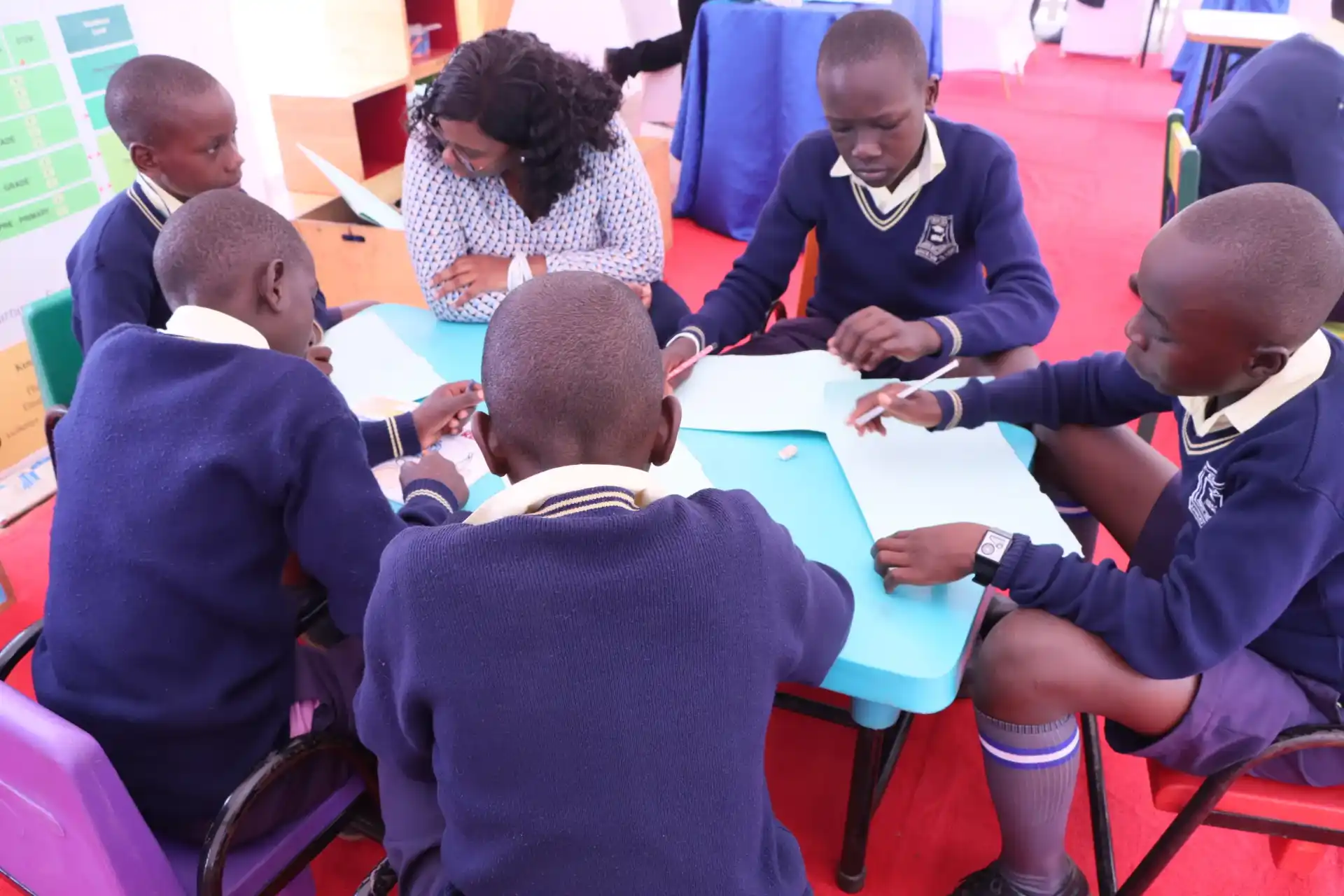
Relational and Power-Aware Change
Change is relational and collective. We convene, collaborate and build trust, while challenging extractive practices and tokenism. We support shared decision-making, meaningful participation and co-ownership, always committing to do no harm.
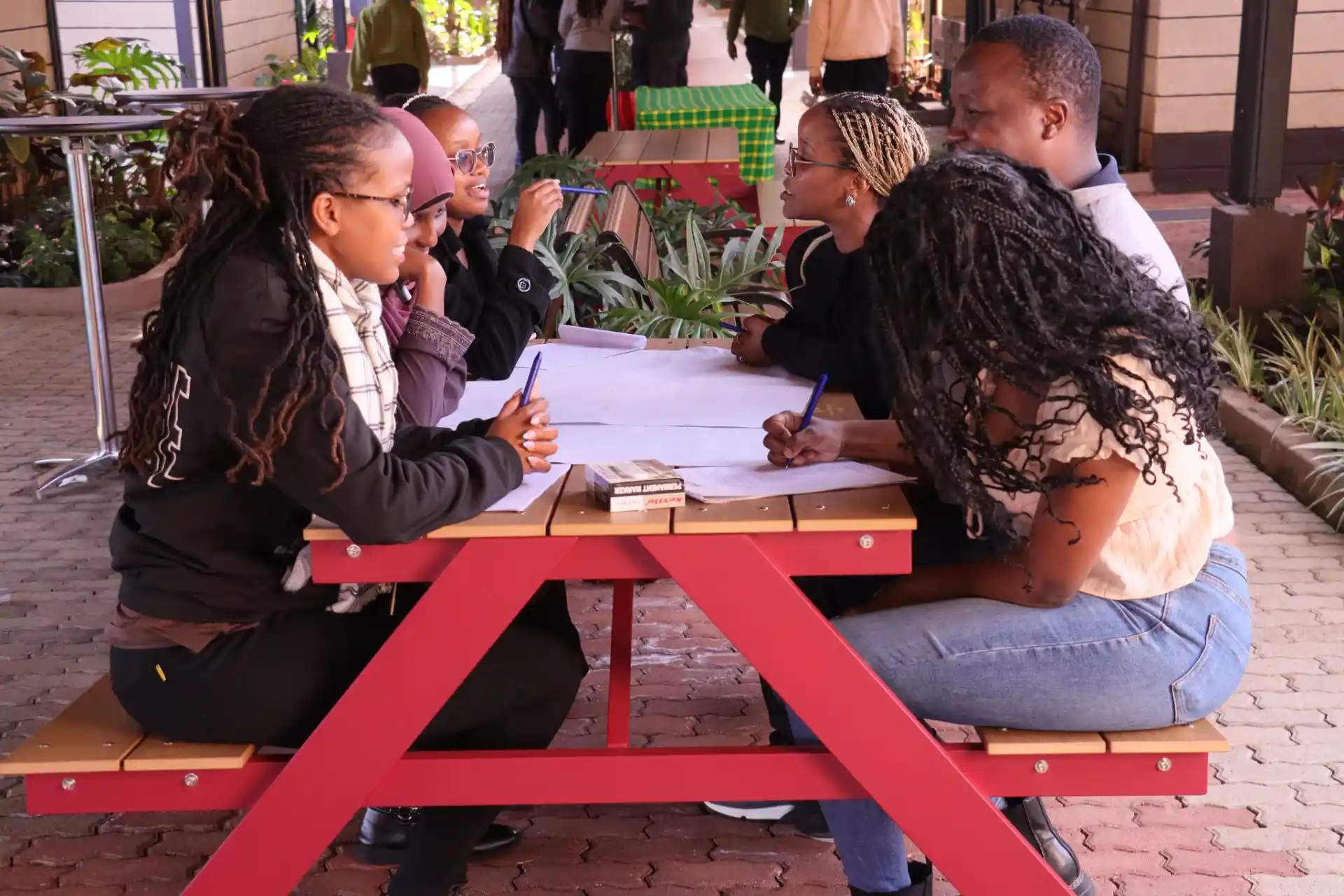
Accountability with Integrity
We are accountable first to the communities and learners we serve. Our accountability is transparent, reciprocal and grounded in lived realities, with technology used thoughtfully to expand access rather than deepen divides.
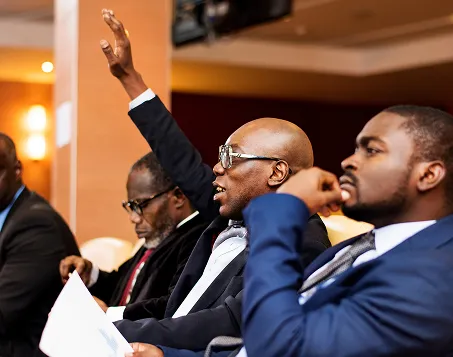
Adaptive Learning and Innovation
We learn as systems shift. Guided by curiosity and evidence, we reflect, adapt and improve in motion, using innovation to support learning and inclusion, never to replace relationships or understanding.