The Three Interconnected Goals
Advancing equity by strengthening the foundations that make learning possible.
When children learn well early, everything changes. Confidence grows. Participation increases. Transitions succeed. Futures widen.
Our work focuses on what matters most, strengthening foundational skills, reforming education systems, and building ecosystems that sustain change. These three goals are deeply interconnected. Each one strengthens the others. Together they form our pathway to lasting impact.
By 2040, we aim to support 10 million learners across 10+ countries, while building the systems, relationships and leadership that ensure progress endures long after individual programmes end.
The Three Interconnected Goals:
1. Stronger Foundational Skills for Equity
Literacy

Numeracy
Life Skills
Values
Why this matters
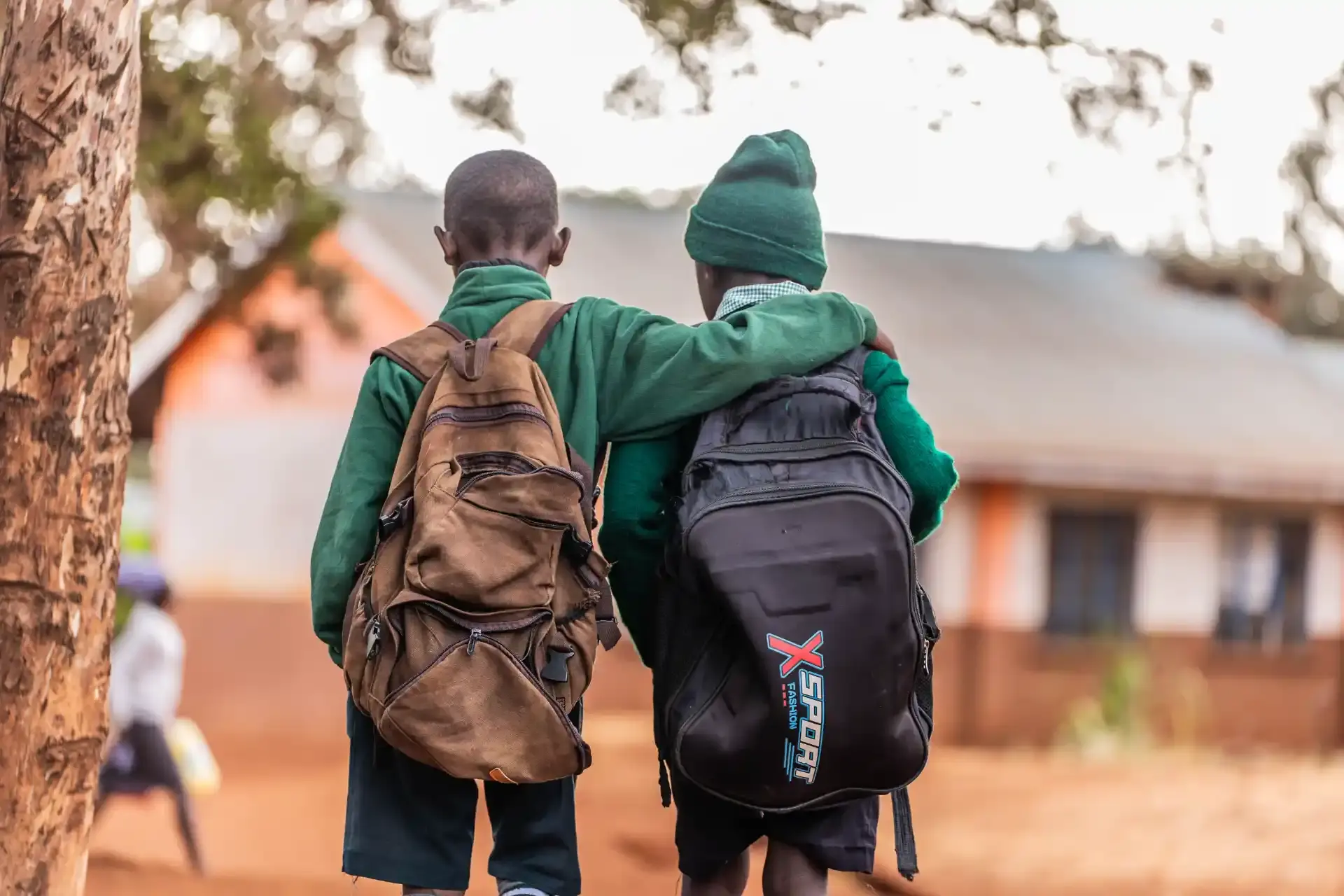
Foundational skills are the roots of all learning. When children learn to read with understanding, work confidently with numbers, and develop life skills and values, they gain far more than academic ability — they gain agency.
When these foundations are missed early, the consequences are lasting. Children disengage. Inequality deepens. Opportunity narrows.
We focus deliberately on learners furthest behind, the children facing barriers linked to poverty, gender, disability, language and geography. Equity must be built into foundations, not layered on later.
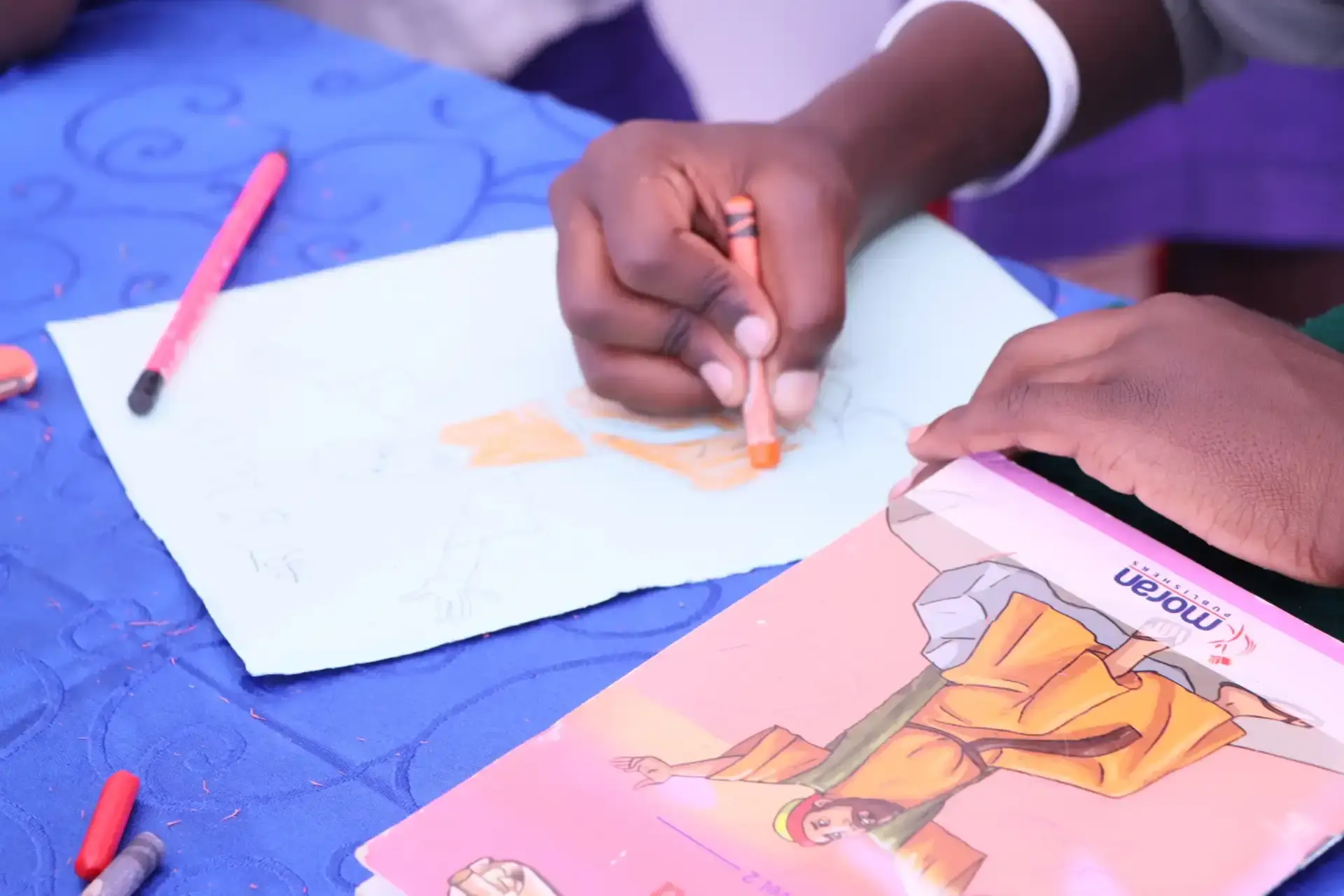
How we work
We support education systems to strengthen how foundational skills are defined, taught, assessed and supported, from the classroom outward.
This includes:
- Strengthening classroom practice through teacher preparation and ongoing professional support
- Embedding life skills and values as core elements of learning, not optional add-ons
- Recognising families and caregivers as essential partners in children's learning
- Prioritising early and middle childhood (ages 4–12), when foundations are formed
Our aim is simple and ambitious: durable foundations that children can build on throughout their lives; wherever they live and whatever challenges they face.
The Three Interconnected Goals:
2. Stronger Education Systems
Why this matters
Only public education systems can reach every child.
Sustainable change cannot rely on parallel projects or short-term interventions. It must be embedded within government structures, in policy, curriculum, assessment, teacher education and resourcing.
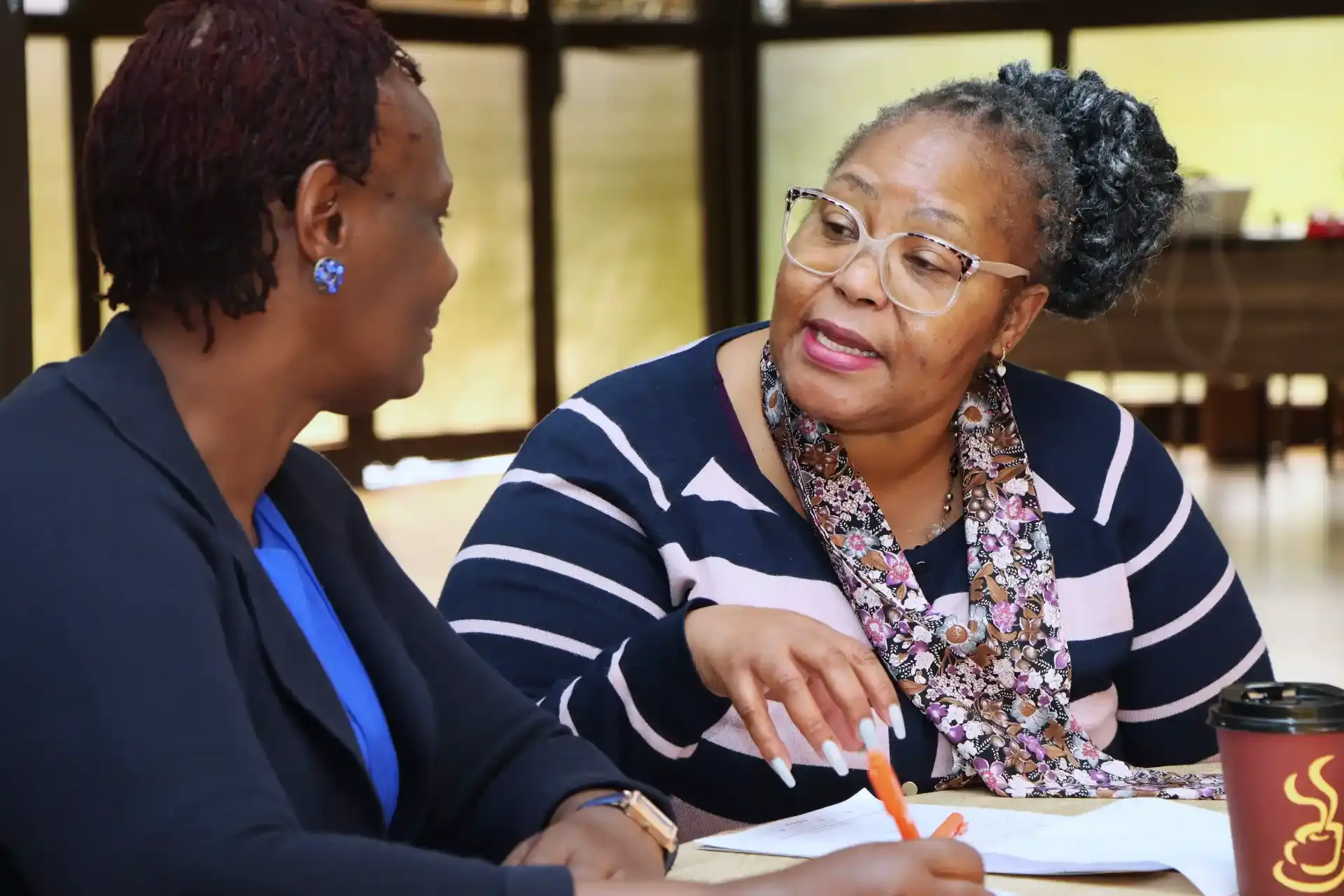
We work alongside governments to strengthen the core functions of education systems so foundational skills reach all learners, not just those in pilot programmes.
How we work
We act as a trusted technical and learning partner, supporting governments to turn evidence into lasting reform.
This includes:
- Translating evidence into policy, frameworks and practical tools
- Aligning curriculum, assessment and learning progressions to foundational skills
- Strengthening teacher education and continuous professional development
- Building quality assurance and data systems that inform learning, not just compliance
We prioritise co-creation and adaptation within existing budgets, mandates and roles. Ensuring reforms are realistic, owned and sustained beyond individual funding cycles.
The Three Interconnected Goals:
3. Stronger Ecosystems For Change
Collective impact
Shared ownership
Field building
Why this matters
No single organisation can transform education systems alone.
Change requires trust, collaboration and shared leadership across government, civil society, communities, youth, researchers and funders. Without connection, good ideas remain isolated. With it, they scale.
We build ecosystems that enable collective action for foundational learning and equity, ensuring knowledge, leadership and ownership sit closest to the work.
How we work
We play a backbone and convening role, creating the conditions for others to lead.
This includes:
- Bringing together educators, communities, civil society, researchers, youth and funders around shared priorities and evidence
- Strengthening the capacity and leadership of local and African-led organisations
- Elevating learner and youth voice as contributors to system change
- Sharing tools, evidence and frameworks as public goods
By creating spaces for dialogue, learning and coordination, we promote collaboration over competition. Building ecosystems that are resilient, adaptive and locally owned.